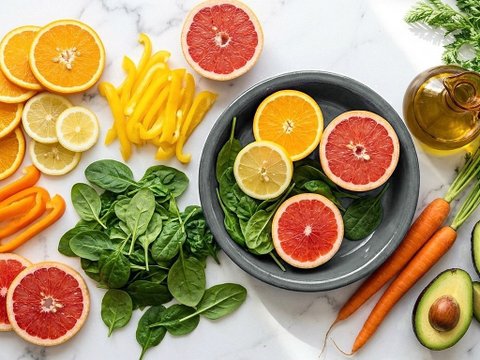
Green, young barley as support for the weight loss process – how does its systematic use accelerate achieving desired results?
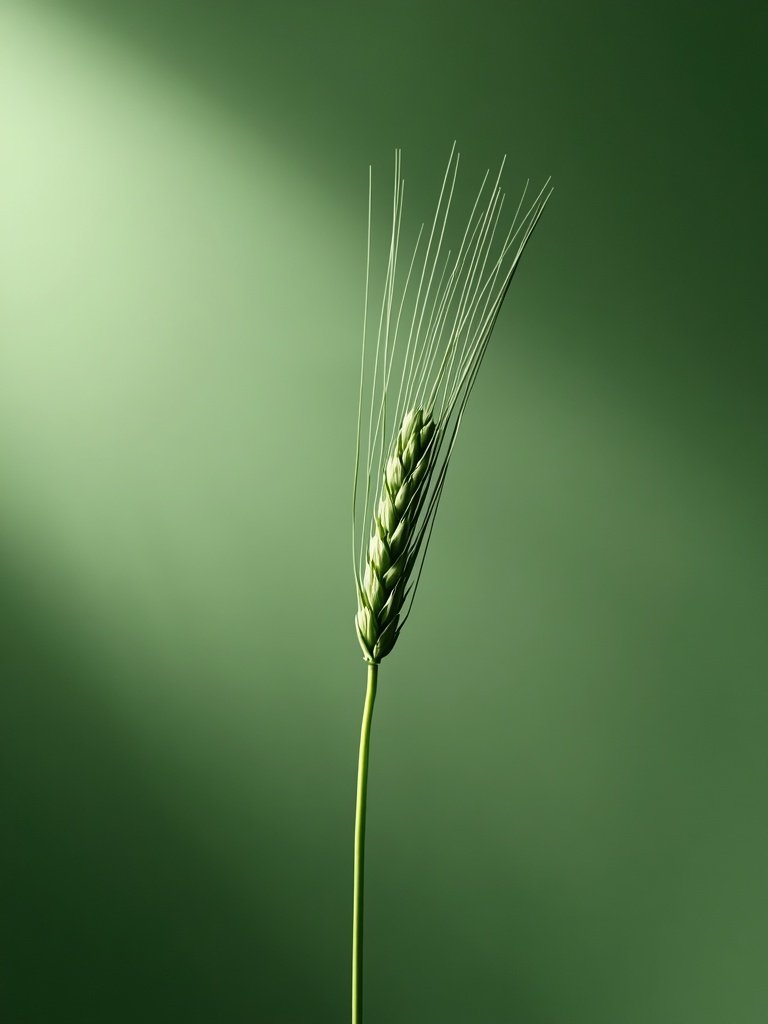
Table of Contents 10
Medical & Editorial Disclaimer (§3 Terms): This article is for informational and educational purposes only, does not constitute medical advice, diagnosis, or treatment, and is used at your own risk. Consult a qualified physician for medical conditions.
The efficacy stems from several validated physiological processes. The soluble beta-glucans expand within the stomach, slowing gastric emptying, which promotes a sustained feeling of fullness. Furthermore, the grass contributes to stabilizing post-meal blood sugar levels and supports the optimization of gut flora through prebiotic fibers, which stimulate the production of beneficial short-chain fatty acids.
For optimal daily incorporation, it is advised to consume the powder in lukewarm water or diluted juice before meals, always ensuring a gentle introduction into the system. The choice of preparation form, whether as juice or milled leaf, influences the bioavailability of its components. It is crucial to approach its use with an individual focus, ensuring a gradual transition for the digestive tract.
This article is professional premium content (PRO) provided in its entirety.
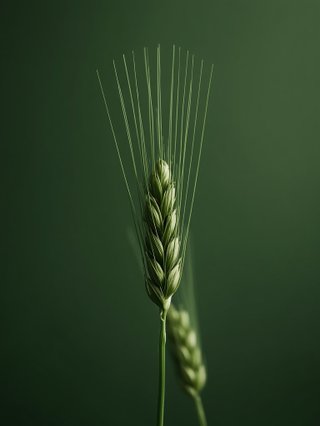
Young green barley grass (Hordeum vulgare) holds an established position as a functional superfood supporting weight management and metabolic health. Harvested during its rapid vegetative growth phase prior to jointing, it delivers a dense matrix of chlorophyll, soluble dietary fibers, and rare antioxidant enzymes. This comprehensive clinical guide examines the physiological mechanisms of barley grass in fat loss, technological distinctions between dried grass and cold-pressed juice powder, safety parameters, and evidence-based culinary integrations.
Young Barley – Definition, Origin, and Harvesting Process
Young barley grass represents the juvenile shoots of common barley (Hordeum vulgare), harvested approximately 7 to 14 days post-germination during the early tillering phase (at a height of 15–20 cm). At this juncture, the plant exhibits its absolute peak concentration of bioavailable micronutrients and enzymatic catalysts.
Barley Grass – Biochemical and Antioxidant Properties
Green barley grass yields a distinguished spectrum of bioactive factors:
- Chlorophyll: Structurally homologous to human hemoglobin (with magnesium at its porphyrin core instead of iron), fostering cellular oxygenation and internal cleansing.
- 2-O-glycosylisovitexin (2-O-GIV): A proprietary flavonoid demonstrating lipid antioxidant potency superior to alpha-tocopherol.
- Superoxide dismutase (SOD): A primary antioxidant metalloenzyme shielding mitochondrial structures from oxidative degradation.
- Micronutrient matrix: B-complex vitamins, vitamins C and K, bioavailable iron, zinc, and potassium.
Barley Grass – Dietary Applications and Preventive Nutrition
Barley grass serves as a comprehensive nutritional adjunct for individuals navigating restrictive diets, high physical exertion, or chronic mental stress. Its alkalizing mineral profile helps counter physiological acid load stemming from modern ultra-processed diets.
Barley Grass in Weight Loss – Metabolic and Satiety Mechanisms
The efficacy of barley grass in weight management rests upon three validated physiological mechanisms:
- Prolonged satiety: Soluble beta-glucans expand in the gastric lumen, delaying gastric emptying and prompting anorexigenic signaling (GLP-1, PYY).
- Glycemic stabilization: Blunting postprandial glucose excursions attenuates reactive hyperinsulinemia, facilitating adipose lipolysis.
- Microbiome modulation: Prebiotic fermentable fibers foster production of short-chain fatty acids (SCFAs), optimizing liver lipid homeostasis.
How to Consume and Dose Young Barley Grass Correctly
Standard protocols advise 1–2 teaspoons (approx. 3–5 g) of powder once or twice daily, dissolved in lukewarm water or diluted fruit juice, 20–30 minutes prior to meals. Critical directive: Never mix barley powder with boiling liquids; temperatures exceeding 40°C denature active antioxidant enzymes (SOD) and degrade thermolabile vitamins.
Barley Grass Forms – Dried Juice Powder vs. Milled Grass (Tablets)
Commercial preparations diverge into two fundamentally distinct technological grades:
- Cold-pressed dehydrated juice powder: Harvested grass is juiced and gently vacuum-dried at low temperatures. It is completely water-soluble, free of insoluble cellulose, and delivers peak therapeutic bioavailability.
- Milled dried grass (powder or compressed tablets): The entire leaf is dried and pulverized. While higher in insoluble roughage, the relative concentration of enzymatic antioxidants and micronutrients is substantially lower.
Barley Grass – Realistic Timeline and Observable Effects
Observable physiological benefits manifest along a predictable chronological continuum:
- Weeks 1–2: Noticeable improvement in gastrointestinal motility, alleviation of constipation, more consistent diurnal energy levels.
- Weeks 3–4: Markedly reduced sugar cravings, mitigated water retention, improved postprandial satiety.
- Weeks 8–12: Measurable reduction in waist circumference (alongside caloric deficit), favorable lipid shifts, and clearer skin vitality.
Barley Grass – Contraindications and Medical Precautions
While youthful shoots prior to heading are naturally gluten-free, agricultural harvesting carries a risk of cross-contamination with mature grains. Individuals with celiac disease must strictly utilize certified gluten-free products. Furthermore, caution is warranted in acute ulcerative colitis flare-ups and among patients on vitamin K antagonist anticoagulants due to naturally elevated phylloquinone levels.
Barley Grass – Potential Side Effects and Digestive Adaptation
During early initiation, some individuals experience transient gastrointestinal discomfort: mild bloating, flatulence, or loose stools, reflecting abrupt increases in prebiotic fiber and microbiome adaptation. To ensure comfortable tolerance, begin with a conservative titration (half a teaspoon daily) and graduate to full dosage over 7–10 days.
Barley Grass – Wholesome Recipes for Fat-Loss Smoothies
Evidence-based culinary strategies to seamlessly incorporate barley grass:
- Morning Metabolism Tonic: 1 tsp barley juice powder, 250 ml room-temperature water, fresh juice of 1/2 lemon, and freshly grated ginger. Activates morning gut motility.
- Metabolic Green Smoothie: 1 tsp barley powder, 1/2 avocado, handful of baby spinach, 1/2 green tart apple, and 250 ml unsweetened almond beverage. Provides sustained satiety and antioxidant defense.
Want to apply these guidelines in your daily diet?
Our smart diet generator creates a tailored meal plan in 3 minutes based on the recommendations in this article.
Tags

Laura Schneider
• 23.10.2026Diets Premium Expert
Diets Premium team expert. Specializes in nutrition plans, strength sports, and training plans.