Burdock – medicinal properties, use of burdock oil, and its effect on hair condition and metabolic health


Table of Contents 4
Medical & Editorial Disclaimer (§3 Terms): This article is for informational and educational purposes only, does not constitute medical advice, diagnosis, or treatment, and is used at your own risk. Consult a qualified physician for medical conditions.
The physiological efficacy of burdock root stems from its rich matrix of bioactive compounds, including prebiotic inulin, essential fatty acids, phenolic acids, and phytosterols. These elements work in harmony to facilitate gentle internal cleansing, support hepatic and renal function, and promote favorable glycemic responses. Furthermore, lipophilic extractions such as burdock root oil deliver targeted dermatological benefits, soothing compromised skin barriers, addressing common blemishes, and revitalizing microcirculation in the scalp.
Translating these benefits into daily routines offers practical avenues for enhancing overall health and hair vitality. Incorporating gentle scalp massages utilizing burdock root oil helps nourish hair follicles, reduce shedding, and restore natural balance to the scalp microbiome. Embracing these natural extracts as part of a balanced lifestyle encourages long-term wellness without relying on synthetic interventions.
Greater burdock (Arctium lappa) is a biennial herbaceous plant of the Asteraceae family whose robust taproots have served as revered botanical medicine across Europe and Asia for centuries. Abundant in prebiotic inulin, polyacetylenes, phytosterols, and phenolic acids, burdock delivers profound anti-inflammatory, antimicrobial, hypoglycemic, and hair follicle-revitalizing benefits.
Greater Burdock (Arctium lappa) – Botanical Overview and Phytochemistry
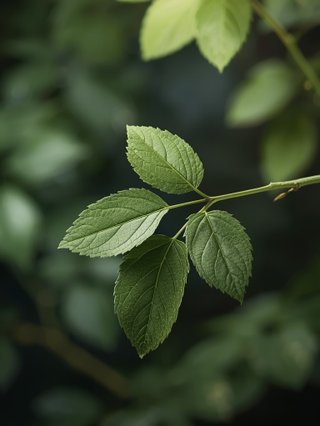
Greater burdock is a majestic biennial herb reaching 1.5 to 2 meters in stature, distinguished by expansive cordate leaves and globose purple flower heads shielded by hook-tipped involucral bracts. The primary medicinal part is the fleshy burdock taproot (Radix Bardanae), harvested in the first year's autumn or early spring.
The root is dominated by inulin (constituting up to 45% dry weight), a premier prebiotic fructooligosaccharide feeding beneficial bifidobacteria. Accompanying phytochemicals include antimicrobial polyacetylenes, phytosterols (beta-sitosterol), polyphenolic caffeoylquinic acids (chlorogenic, caffeic), tannins, essential oils, and bioavailable minerals (potassium, zinc, iron).
Metabolic, Depurative, and Glycemic Actions of Burdock Root
In classical phytomedicine, burdock root represents a premier depurative agent facilitating metabolic detoxification. It demonstrates mild aquaretic and diaphoretic traits, facilitating renal excretion of uric acid and metabolic byproducts.
The synergistic concentration of inulin and chlorogenic acid exerts favorable impacts on glycemic regulation: dampening postprandial glucose absorption curves and upgrading peripheral insulin sensitivity. Concurrently, bitter glycosides enhance hepatic bile formation and digestive enzyme output.
Burdock Root Oil – Extraction, Properties, and Dermatological Applications
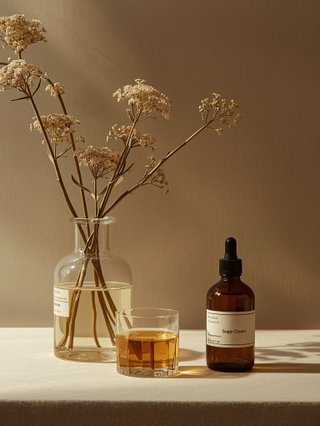
Burdock root oil is a therapeutic maceration produced by gently extracting lipophilic fractions from burdock roots into premium carrier oils (such as cold-pressed sunflower, sweet almond, or jojoba oil). This process isolates phytosterols, polyacetylenes, and essential fatty acids.
In clinical dermatology, burdock oil serves as an effective topical remedy for psoriasis plaques, eczema, acne vulgaris, and seborrhea. It demonstrates restorative, antifungal, and soothing virtues, repairing epidermal stratum corneum lipids and soothing cutaneous pruritus.
Burdock for Hair Growth, Dandruff Control, and Follicular Regeneration
A hallmark virtue of burdock root lies in rejuvenating fragile, thinning hair. Its concentrated bio-nutrients deliver essential fatty acids and organic sulfur derivatives fundamental for keratin matrix synthesis.
Regular scalp massages using burdock oil or rinsing with root decoctions provide remarkable trichological benefits:
- arresting premature telogen shedding and awakening dormant follicles (inducing baby hair emergence);
- eradicating stubborn dandruff and normalizing scalp sebum equilibrium;
- fortifying the structural integrity of hair shafts, imparting thickness, resilience, and natural gloss.
Want to apply these guidelines in your daily diet?
Our smart diet generator creates a tailored meal plan in 3 minutes based on the recommendations in this article.
Tags

mgr Mateusz Pawlak
• 25.11.2026Diets Premium Expert
Diets Premium team expert. Specializes in nutrition plans, strength sports, and training plans.