5 min read
Grape juice: characteristics and nutritional contents
1 photo
729
Smart Voice
AI
0:00
0:00
Listen to the article content live
Table of Contents 5
The production of beverages from grapes is an effective method for preserving the flavor of these fruits for a longer duration. Nonetheless, grapes by themselves are very healthy. Will the beverages prepared from them also offer the same benefits? How simplified is the process of grape juice production?
01 / 05
Vitis vinifera: Ancient Cultivar with Distinct Varietal Profiles and Documented Health Benefits
The common grape vine (*Vitis vinifera*) stands alongside cereal crops as one of the **most ancient domesticated plants**, with archaeological evidence tracing its cultivation back to **Neolithic periods**. Historical records confirm its presence in ancient Egypt by **6000 B.C.E.**, while certain findings suggest an even earlier domestication dating to **9000 B.C.E.**. Contemporary viticulture distinguishes between two primary grape categories: **table grapes** (consumed fresh) and **wine grapes** (intended for fermentation). Additionally, grapes are classified by **berry color**, ranging from pale green and blush to deep purple-black hues. **Dark-colored varieties** are particularly esteemed due to their **anthocyanin content**—natural pigments with potent antioxidant properties. Research further indicates that red grapes exhibit **higher resveratrol concentrations** (a polyphenolic phytoalexin with cardioprotective effects) compared to white varieties. Both compound groups—anthocyanins and resveratrol—exert **beneficial effects on cardiovascular health**, including **reducing platelet aggregation**, **enhancing vascular flexibility**, and **inhibiting atherosclerotic progression**. Dark-pigmented fruits and vegetables are also extensively studied for their **potential anticancer properties**. Grapes are a rich source of **B vitamins (B1, B2) and vitamin C**, as well as **tannins** (astringent compounds) and **pectins** (soluble fiber). A defining characteristic of grape berries is their **high water content (~80%)**, while the **seeds** harbor a concentrated profile of bioactive constituents: **polyunsaturated omega-6 fatty acids**, **vitamin E (tocopherol)**, **catechins**, and **phenolic acids**—all possessing **robust antioxidant activity**. These compounds demonstrate **anti-inflammatory**, **anticarcinogenic**, and **antiatherogenic effects**, justifying the consumption of grapes **with seeds** (e.g., ground or as grape seed oil).
02 / 05
Comprehensive nutritional profile and health benefits of grape juice: a comparative analysis with sugar-sweetened beverages
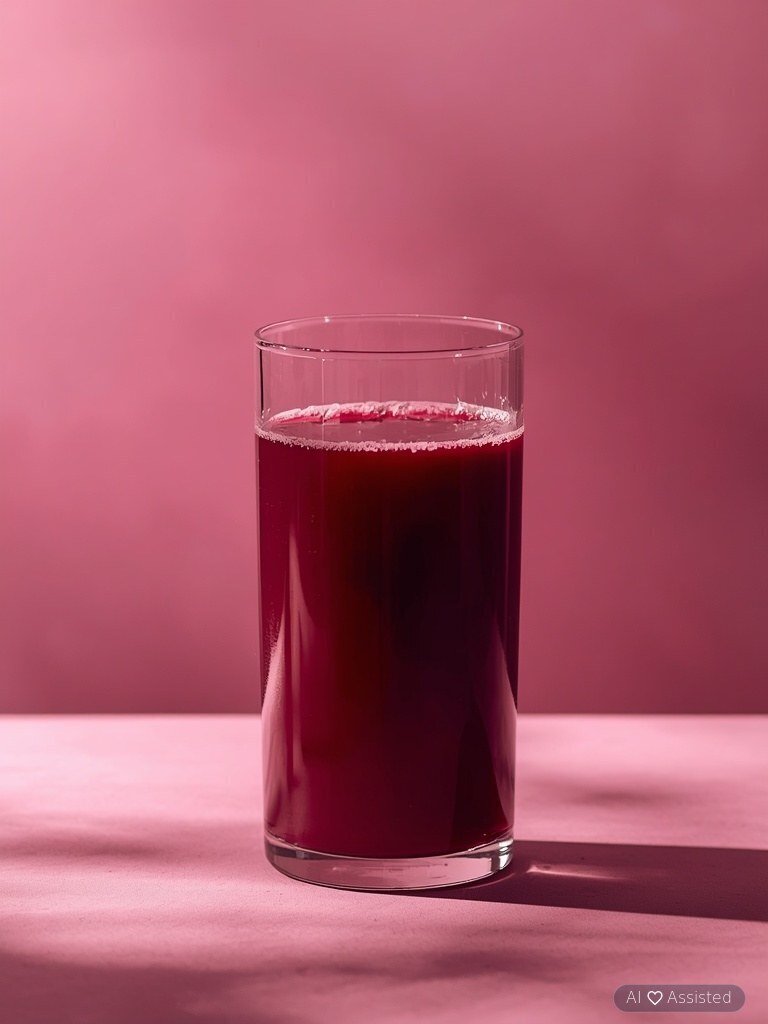
The color spectrum of grape juice ranges from pale yellow to deep purple, depending on the specific grape variety used in production. A single standard serving (approximately 250 ml) of this beverage contains an average of 160 kilocalories, derived almost entirely from simple carbohydrates—primarily around 40 grams of naturally occurring sugars. For context, an equivalent volume of a widely consumed carbonated soft drink such as Coca-Cola provides roughly 100 kilocalories alongside approximately 25 grams of sugar, representing a 15-gram reduction in sugar content. However, it is critical to emphasize that grape juice is distinguished by its rich composition of bioactive compounds, including anthocyanins, flavonoids, and other polyphenols with well-documented antioxidant properties—components that are entirely absent in artificially sweetened beverages.
03 / 05
Therapeutic and Preventive Benefits of Grape Juice Consumption: A Scientific Examination of Bioactive Compounds and Their Impact on Human Health
While grape juice is commonly perceived as nothing more than a flavorful beverage, emerging scientific evidence suggests that its regular consumption may serve as a valuable component of preventive healthcare strategies. The polyphenolic compounds found in grapes—particularly resveratrol, which is present in higher concentrations in dark-colored varieties—exhibit potent antioxidant capabilities that effectively neutralize free radicals, thereby mitigating oxidative stress at the cellular level. This protective mechanism has been linked to a reduced risk of carcinogenesis by preventing DNA damage and cellular mutations. Furthermore, the anti-inflammatory properties of grape juice contribute to the alleviation of chronic inflammatory conditions, which in turn may enhance skin integrity and bolster immune function. However, it is important to note that industrial processing methods, such as pasteurization, can lead to the degradation of heat-sensitive vitamins, including ascorbic acid (vitamin C) and folates from the B-complex group, both of which are more abundant in fresh, unprocessed grapes. Additionally, the removal of skins and seeds during juice extraction eliminates a significant portion of bioactive compounds, such as flavonoids and proanthocyanidins, which are concentrated in these components of the fruit. From a dietary perspective, consuming whole grapes—which requires mechanical breakdown through chewing—promotes satiety by prolonging oral processing time and enhancing digestive efficiency, thereby aiding in natural caloric regulation. Nevertheless, grape juice remains a practical preservation method that retains a portion of its health-promoting properties even after thermal treatment, provided that the heating process is optimized to minimize nutrient loss.
04 / 05
How do you make grape juice?
The grape must first be washed and harvested from the spoons. The rest depends on what kind of equipment we have at our disposal. The juice press can be pressed into the juice press. In this way the juice is immediately ready to drink. In order to keep it longer, the juice must be boiled and pasteurized.
05 / 05
Key contraindications and health risks associated with grape juice consumption: When to avoid it
Consumption of grape juice may be detrimental to individuals with carbohydrate metabolism disorders, such as type 2 diabetes or insulin resistance. A single standard serving of this beverage contains a substantial concentration of simple sugars that are rapidly absorbed into the bloodstream, resulting in a sharp spike in blood glucose levels followed by a reactive hypoglycemic episode. Such fluctuations place significant stress on the body, particularly when pancreatic insulin secretion is impaired. Additionally, due to its high caloric density, regular intake of grape juice is not recommended for individuals following a weight-loss regimen, as the ease of consuming large volumes may lead to excessive energy intake. A more prudent approach involves opting for water to satisfy thirst, while treating juice as an occasional supplement to the diet, mindful of its caloric contribution. Diluting juice with water reduces its energy content, which may benefit those monitoring their weight. Individuals with chronic gastrointestinal conditions, particularly intestinal disorders, should exercise caution, as the elevated simple sugar content can induce an osmotic effect, drawing excess fluid into the intestinal lumen and potentially causing diarrhea. The presence of sorbitol—a naturally occurring sugar alcohol—further exacerbates this symptom when consumed in large quantities due to its laxative properties. Nonetheless, homemade grape juice production can serve as a means of preserving some of the fruit’s nutritional benefits, especially when sourced from personal cultivation. It is important to note, however, that juice can never fully replace fresh fruit, which remains available year-round. Incorporating a modest portion of juice, such as a small glass with lunch, is unlikely to pose health risks when consumed judiciously.
Meal Plan
Want to apply these guidelines in your daily diet?
Our smart diet generator creates a tailored meal plan in 3 minutes based on the recommendations in this article.
Tags

Scientifically reviewed by a clinical dietitian
• 24.09.2026
mgr Literatura: Krajewski R., Soki z udziałem winogron i wina jako źródło składników bioaktywnych, Bromat. Chem. Toksykol. – XLIV, 2011, 3, s. 609–614, Piątkowska E., Kopeć A., Leszczyńska T., Antocyjany–charakterystyka, występowanie i oddziaływanie na organizm człowieka, Żywność. Nauka. Technologia. Jakość, 77 (2011): 24–35, Olas B., Resweratrol jako dobroczyńca w profilaktyce chorób układu krążenia, Kosmos, 2–3 (2006): 277–285. Kołodziejczyk J., Olas B., Pestki winogron jako cenne źródło związków chroniących układ krążenia, Postępy Fitoterapii (2011): 52–57, Synowiec-Wojtarowic A., Czardybon K., Pawłowska-Góral K., Ocena wpływu obróbki termicznej na zawartość związków o właściwościach przeciwutleniających i parametry barwy wybranych soków owocowych, Prob. Hig. Epid 2 (2014): 449–451.
Diets Premium Expert
Diets Premium team expert. Specializes in nutrition plans, strength sports, and training plans.
USDA FoodData Central
EFSA
PubMed Clinical Guidelines