Gout (uric acid gout) - symptoms, causes, treatment methods, and dietary recommendations
Table of Contents 5
Medical & Editorial Disclaimer (§3 Terms): This article is for informational and educational purposes only, does not constitute medical advice, diagnosis, or treatment, and is used at your own risk. Consult a qualified physician for medical conditions.
The underlying physiological mechanism involves the breakdown of purines into uric acid, which, when poorly excreted or overproduced, forms needle-like crystals in synovial fluid. The disease progresses through distinct clinical stages, starting with asymptomatic periods and evolving into acute flares often felt in the extremities. These episodes are driven by the immune system reacting to crystal deposits, causing significant swelling and heat, which if left unmanaged, may lead to permanent structural changes in the skeletal system.
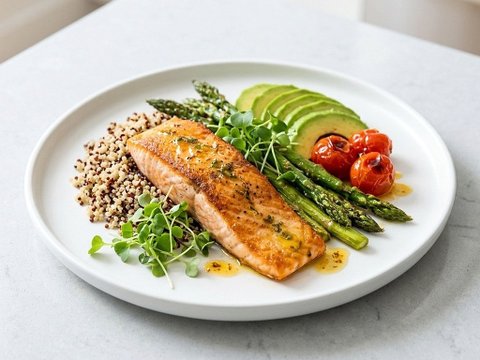
Practical management focuses on a strategic nutritional approach that emphasizes the avoidance of organ meats, specific seafood, and yeast-heavy beverages like beer. Conversely, incorporating low-fat dairy and a variety of vegetables can provide protective benefits without triggering inflammatory responses. By prioritizing hydration and choosing nutrient-dense, low-purine whole foods, individuals can support their metabolic health and potentially reduce the frequency of painful joint episodes.
Gout is a severe crystal-induced metabolic arthritis caused by monosodium urate crystal deposition in joints and periarticular tissues. This clinical guide covers hyperuricemia etiology, the four distinct disease stages, pharmacotherapy, and evidence-based low-purine dietary management.
Pathophysiology of Gout and Hyperuricemia
Gout is an inflammatory metabolic arthropathy driven by sustained elevated serum uric acid (>6.8 mg/dL or 404 µmol/L, hyperuricemia). Uric acid represents the end product of purine nucleotide degradation:
- When saturation limits are breached, supersaturated monosodium urate (MSU) crystals precipitate in synovial fluid and avascular articular cartilage.
- MSU crystals activate the macrophage NLRP3 inflammasome, unleashing potent interleukin-1-beta driven inflammatory flares.
The 4 Clinical Stages of Gout
Clinical progression evolves across four distinct phases:
- 1. Asymptomatic Hyperuricemia: Elevated serum urate without clinical arthritis (can endure for decades).
- 2. Acute Gouty Arthritis: Abrupt nocturnal onset of agonizing pain, typically in the first metatarsophalangeal joint (podagra), accompanied by erythema, heat, and swelling.
- 3. Intercritical Gout: Symptom-free intervals between acute flares; silent crystal accumulation persists.
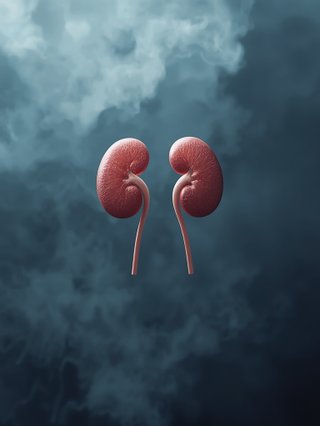
- 4. Chronic Tophaceous Gout: Permanent joint erosion, debilitating deformities, subcutaneous tophi, and urate nephropathy.
Etiology: Primary vs. Secondary Gout
Etiological classification categorizes gout into two distinct mechanisms:
- Primary Gout (~90% of cases): Inborn genetic impairment of renal urate clearance (underexcretion), amplified by high-purine diets.
- Secondary Gout (~10% of cases): Acquired conditions driving urate overproduction (e.g., myeloproliferative disorders, chemotherapy tumor lysis) or reduced excretion (chronic kidney disease, thiazide/loop diuretics, chronic ethanol consumption).
Pharmacotherapy of Acute Attacks and Urate Lowering
Medical management rests on two therapeutic pillars:
- Acute Flare Management: Rapid anti-inflammatory control using NSAIDs, low-dose colchicine, or intra-articular/systemic corticosteroids. Aspirin is strictly avoided due to bimodal renal urate retention.
- Urate-Lowering Therapy (ULT): Long-term xanthine oxidase inhibitors (allopurinol, febuxostat) or uricosurics to drive serum urate below 6.0 mg/dL (or below 5.0 mg/dL in severe tophaceous disease) to dissolve established crystals.
Low-Purine Diet – Evidence-Based Nutrition Guidelines
Nutritional therapy is essential for preventing painful recurrent flares:
- Foods to strictly avoid: Organ meats (liver, kidneys, sweetbreads), rich meat broths, small pelagic fish (sardines, anchovies), shellfish, beer (including non-alcoholic beer due to brewer's yeast purines), and high-fructose corn syrup.
- Moderation: Lean poultry and meat. Contemporary evidence shows purine-rich vegetables (legumes, mushrooms, spinach) do not trigger flares and can be safely consumed.
- Protective foods: Low-fat dairy (uricosuric casein/whey fractions), tart cherries (anthocyanins reduce urate), coffee, vitamin C, and abundant water (2.5–3 liters daily).
Want to apply these guidelines in your daily diet?
Our smart diet generator creates a tailored meal plan in 3 minutes based on the recommendations in this article.

Oliwia Kaczmarek
• 23.10.2026Diets Premium Expert
Diets Premium team expert. Specializes in nutrition plans, strength sports, and training plans.