5 min read
Gastrointestinal Disturbances During Physical Exertion
1 photo
541
Smart Voice
AI
0:00
0:00
Listen to the article content live
Table of Contents 6
Gastrointestinal issues (GI) occur in 30 to 50% of athletes during exercise. They are most prevalent in individuals participating in endurance sports: runners, marathoners, triathletes. These disturbances can negatively impact performance and result in an early withdrawal from competition.
01 / 06
Reasons for the occurrence of gastrointestinal disorders during athletic activity
Not all factors that cause gastrointestinal problems during athletic activity are known. It is believed that the blood flow from the kidneys to the muscles during physical activity may increase the permeability of the mucous membrane and contribute to symptoms such as nausea, vomiting, abdominal pain, and diarrhea. Inadequate nutrition before and during exercise or start can also cause problems. Research in the 1990s showed that participants in half-marathons who did not have appropriate nutrition had more frequent gastrointestinal problems. Specifically, fiber, fats, proteins, and drinks with high osmolarity (more than 500 mOsm/l) were identified as causes. Common symptoms of gastrointestinal problems are: loss of appetite, nausea, vomiting, reflux, abdominal pain, bloating, and diarrhea.
02 / 06
Meals prior to exercise
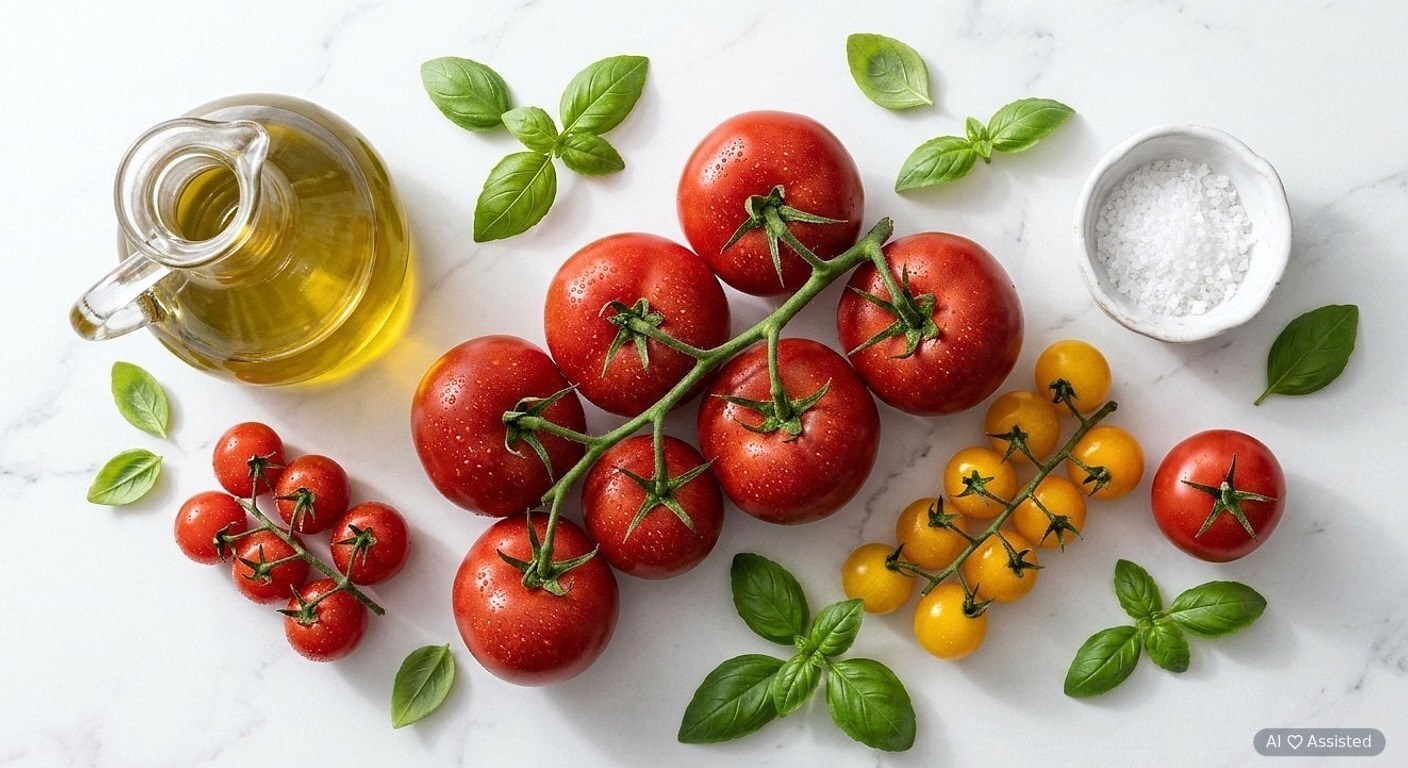
Individuals who experience discomfort related to dietary fiber before training should limit their intake of high-fiber foods and instead opt for those with moderate or low levels of fiber. Most fruits and vegetables are high in fiber, so to reduce their amount, one should consume vegetables prepared in broth or steamed. As side dishes, one can choose those with reduced fiber content, such as tomatoes (without skin), olives, cucumbers, grapes, grapefruits, and beets. If gastrointestinal discomfort (cramps, stomach pain, nausea) persists during training, it's best to avoid dairy products containing lactose, such as cottage cheese, milk, and yogurt, and replace them with plant-based beverages like rice, almond, or consume them at other times of the day (breakfast, lunch, dinner). Moreover, it's advisable to avoid hard-to-digest foods like nuts, cucumbers, bell peppers, and tomatoes with skin. Dishes should be prepared in a gentle manner, such as simmering with a small amount of fat, gentle grilling, or steaming. The meal before training should be consumed 2-3 hours before the activity. For longer training sessions, it's wise to plan an additional meal one hour or 45 minutes before the training.
03 / 06
Low fermentation FODMAP diet
This diet facilitates the recognition of products causing discomfort. Recommendations from Monash University suggest excluding products with a high content of FODMAP for a period of 6-8 weeks and then gradually reintroducing them under the guidance of a nutrition specialist after 8 weeks. The gradual reintroduction aims to determine which products cause discomfort. To accurately check the products causing discomfort, it is recommended to keep a food diary. Every meal consumed during the day (composition, quantity) should be noted along with any symptoms (occurring after consuming a specific product). Symptoms can be rated on a scale of 1-10, where 1 indicates strong discomfort, and 10 represents an excellent condition without symptoms.
04 / 06
Examples of FODMAP-rich foods and their alternatives
High-FODMAP foods (prone to exacerbating symptoms): – Grains: wheat, rye, barley, and standard wheat bread; – Fruits: apples, pears, watermelon, peaches, plums, nectarines, cherries, mango, and dried fruits; – Vegetables: onions, garlic, artichokes, leeks, beets, cabbage, asparagus, green peas; – Legumes: kidney beans, lentils, chickpeas, soybeans; – Dairy: cow's milk, regular yogurt, cottage cheese (due to lactose); – Sweeteners: honey, high-fructose corn syrup, xylitol, sorbitol, mannitol. Low-FODMAP foods (safe and recommended): – Grains: gluten-free bread, traditional sourdough spelt bread, rice flakes, rolled oats, gluten-free pasta, rice, quinoa; – Fruits: firm bananas, blueberries, strawberries, raspberries, grapes, citrus fruits (lemons, limes, oranges, mandarins), kiwi, pineapple, passion fruit, papaya; – Vegetables: carrots, cucumbers, tomatoes, bell peppers, zucchini, potatoes, sweet potatoes, celery, lettuce, spinach, green beans; – Dairy: lactose-free milk and yogurt, aged hard cheeses (parmesan, cheddar); – Sweeteners and fats: pure maple syrup, olive oil, rapeseed oil (Monash University Low FODMAP Diet Guidelines).
05 / 06
Ensuring adequate fluid provision to the body
The European Food Safety Authority recommends a daily fluid intake of approximately 2 l for women and 2.5 l for men (with moderate physical activity and good environmental conditions), which corresponds to 30-45 ml/kg body weight, e.g. 70 kg × 30 ml = 2100 ml. Additionally, fluid loss due to physical activity should be compensated. This can be achieved by replenishing the loss by 100% to 150% – e.g. for 1 kg of body weight from 1.25 to 1.5 l of fluid. The compensation should be spread out over the day.
06 / 06
Added Components
Acetylsalicylic acid and non-steroidal anti-inflammatory drugs (NSAIDs) such as ibuprofen contribute to increased intestinal permeability and may increase the incidence of gastrointestinal disorders. Limiting the intake of aspirin and non-steroidal anti-inflammatory drugs (NSAIDs) may improve the functioning of the digestive system. Supplementation with probiotics in combination with nutritional strategies supports active individuals with gastrointestinal discomfort. The majority of conducted studies confirm the effectiveness of probiotic supplementation in a quantity of at least 1010. The two main strains used in commerce are Lactobacillus acidophilus and Bifidobacterium bifidum. People with gastrointestinal discomfort should consider introducing a probiotic containing the strain L. plantarum 299v. A positive effect of supplementation can be observed after several weeks of regular probiotic intake. During the first weeks of supplementation, a gradual change in the gut microflora may cause gastrointestinal symptoms such as mild bloating, diarrhea, and discomfort in some individuals, however, these are temporary.
Meal Plan
Want to apply these guidelines in your daily diet?
Our smart diet generator creates a tailored meal plan in 3 minutes based on the recommendations in this article.

Scientifically reviewed by a clinical dietitian
• 17.03.2026
Sophia Williams
Diets Premium Expert
Diets Premium team expert. Specializes in nutrition plans, strength sports, and training plans.
USDA FoodData Central
EFSA
PubMed Clinical Guidelines