PRO 8 min read

Flavor Alterations Similar to Genetic Mutations Affect Our Culinary Preferences
Flavor Alterations Similar to Genetic Mutations Affect Our Culinary Preferences
1 photo
456

Smart Voice

AI
0:00
0:00
Listen to the article content live
Table of Contents 8
PRO Content PRO

This article is professional premium content (PRO) provided in its entirety.

Taste, as one of the five senses, plays a crucial role in people's lives. Thanks to it, we can enjoy the flavor of delicious foods, but also protect the body from consuming harmful substances. Five basic flavors are distinguished: sweet, salty, bitter, sour, and umami (meaty flavor), although some also speak of a sixth - fatty. However, it turns out that not everyone experiences flavors in the same way. Differences in perception arise from many factors, and one of them is the genetic factor. It has been proven that mutations in certain genes are responsible for different flavor experiences in humans and result in products that are loved by some being boring or even unpalatable for others.
01 / 08

Why certain individuals associate the taste of cilantro with soap

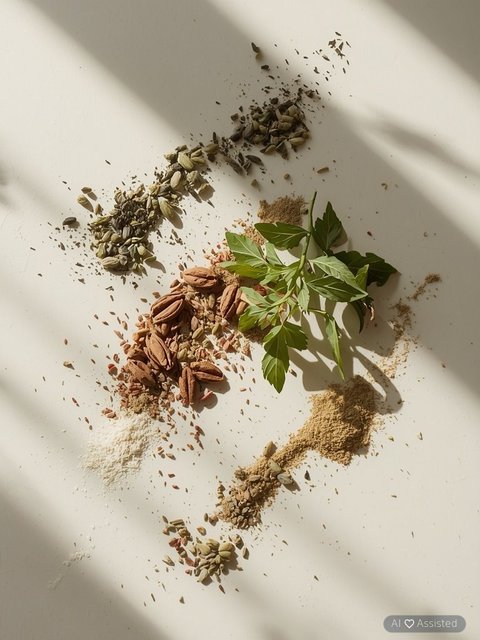
Cilantro is a herb commonly used as a spice, particularly popular in Eastern cuisine. It is an ingredient in widely used blends such as curry or garam masala, which is also increasingly used in Europe. Cilantro pairs well with dishes made with celery seeds, root vegetables, meat, and rice. The plant also has health-promoting properties, including antioxidant, antibacterial, antidiabetic, and cholesterol-lowering properties (B. Laribi et al. 2015). However, not everyone enjoys the taste of cilantro, and some associate it with the taste of soap or dirt. Research has shown that a mutation in the gene OR6A2, which codes for a receptor sensitive to aldehydes in the plant, is responsible for this. This mutation occurs in approximately 10% of the population and is dependent on ethnic origin. Scientists are still investigating the exact mechanism behind this strong aversion to the taste of cilantro (E. Callaway 2012). If someone thinks that Pho soup or cilantro falafel tastes like a dish seasoned with dishwashing liquid, there is no reason to worry - it is a completely normal phenomenon.
02 / 08

Genes and the perception of bitter taste

It turns out that the perception of bitterness is also partially genetically determined and depends on a combination of alleles from the TAS2R gene family, particularly the TAS2R38 gene, which is responsible for recognizing bitterness derived from various substances in food, such as polyphenols (H. O. Smail 2019). The first observations of this phenomenon date back to the beginning of the 20th century when it was reported that there is a variation in the population's potential for sensing the synthetic compound phenylthiocarbamide (PCT). This variation is also related to the taste of other bitter substances and has significant importance, as a higher sensitivity to bitterness can protect against potential poisoning (A. L. Fox 1932). Interestingly, the variation in sensitivity to bitter taste may play a role in food choices and impact body weight and indirectly, health. People who are highly sensitive to bitter taste are less likely to consume vegetables and more likely to consume sweets, making their diet less diverse. However, their body weight is generally lower than that of less sensitive individuals because they limit their alcohol intake and consumption of high-calorie snacks (K. L. Keller et al. 2014). Tolerance to bitter taste can be easily verified, for example, by consuming an Italian drink based on Prosecco, which has a distinct note of bitterness and is dominant for most people, while there are individuals who only perceive sweetness. It is worth noting that the ability to recognize different tastes, including bitter, decreases with age, indicating that sensitivity is mainly dependent on environmental factors, and the genetic component plays a lesser role (A. Navarro-Allende, N. Khataan, A. El-Sohemy 2008).
03 / 08

Genes and the perception of sweet taste

The sweet taste is generally preferred by most people, especially children. The ability to tolerate sweetness increases with consumption – the more one consumes, the higher the tolerance can be. Therefore, it is recommended to introduce sweets into the diet of children and toddlers as late as possible. However, there are individuals who do not tolerate sweetness or only to a minimal extent. They are influenced by specific genes that determine the perception of sweetness. The most well-known mutations are in the TAS1R2 gene, which affect the structure and function of the receptor and lead to a reduced sensitivity to sweet taste, resulting in a significantly more frequent grabbing for sweets. Other genes associated with the acceptance of sweetness are TAS1R1, TAS1R2, and GNAT3. It is worth noting that the TAS1R1 gene is also present in other parts of the body (not just on the tongue) and is associated with the metabolism of carbohydrates, thereby indirectly affecting the daily energy intake (M. Melis et al. 2022).
04 / 08

Genetics and sensitivity to the taste of fat

Fat taste tolerance, similar to sweetness, depends on the degree of exposure to it, but genes also play a crucial role. Three genetic factors affect the perception of fatty foods. Genes that encode taste receptors, which are present, etc., on the tongue are responsible for recognizing the texture and consistency of food. Mutations within these genes can lead to a decrease or an increase in the sensation of fat. It turns out that changes in genes associated with transportation, metabolism, or lipid synthesis are also associated with different taste sensations. Genes responsible for regulating appetite also seem to be of significance (C. A. -M. Graham and colleagues 2021). Research shows that individuals with a higher tolerance for the taste of fat consume significantly more fat compared to those who are more sensitive, as only a larger amount of fat provides them with a feeling of satiety. This can lead to consuming an excessive amount of calories and consequently developing obesity. Gradually reducing the amount of lipids in the diet can contribute to increasing sensitivity (L. P. Newman and colleagues 2016).
05 / 08

Genetics and the experience of salty taste

Genetic foundations for the experience of salty taste are the least recognized, however, there are reports indicating the existence of certain mutations responsible for its diverse experience. These mutations may disrupt transport processes and cause altered sensitivity to the experience of salty taste, yet further research is required to investigate specific mechanisms (C. Ferraris et al. 2020). Scientific studies show that taste experience is also accountable to the genes coding for SCNN1B and TRPV1 receptors. It has been observed that mutations correlated with reduced sensitivity to salt are linked to a higher risk of developing hypertension (P. Tapanee et al. 2021).
06 / 08

Factors influencing taste preferences

Beyond genetic factors, taste preferences are shaped from the prenatal and early childhood stages through the foods consumed by the mother during pregnancy and lactation. In a later stage of development, the products included in the baby's diet affect his future dietary choices. Research indicates that the offspring of women who consume a diverse diet during lactation are more receptive to new flavors over time. However, children who consume modified milk may have difficulty accepting new, unfamiliar products. In preschool age and beyond, peers, media, and advertisements have the greatest influence on taste preferences. Culture, tradition, and place of residence are also important factors. Culinary techniques and spices characteristic of a specific region also impact taste preferences. For example, people in Asian countries prefer spicy flavors, while most Europeans do not. Emotions and psychology also impact taste preferences. Some flavors evoke positive memories, leading to a desire to consume them. Mood and state of mind also determine taste preferences.
07 / 08

The significance of taste preferences in the development of disorders

Taste preferences have a significant impact on dietary decisions, which are in turn connected to health status. Individuals who frequently consume fatty and sweet products are at a higher risk of developing obesity and overweight (which is also associated with other disorders) (S. Spinelli, E. Monteleone 2021). Frequent choice of sweet products is also linked to a higher incidence of insulin resistance and type 2 diabetes (X. Ma et al. 2022). A preference for fatty taste and high intake of fats (especially saturated fats) can lead to disruptions in lipid metabolism, including hypercholesterolemia (A. Astrup et al. 2020). It is also important to note that individuals with lower sensitivity to salty taste and high salt intake are at a higher risk of increased water retention in the body and long-term development of hypertension (P. Tapanee et al. 2021).
08 / 08

Summary

Genetics is one of the factors that influences the development of taste preferences in humans. Certain genetic mutations result in a reduced or increased sensitivity to specific tastes, leading to their more or less frequent consumption. However, compared to other factors like cultural or psychological aspects or exposure to different tastes during childhood, genetics appears to have less of an impact on shaping food preferences. Nevertheless, it is worth noting that preferring certain tastes can lead to their overconsumption and the development of various diseases, such as obesity or type 2 diabetes.
Meal Plan

Want to apply these guidelines in your daily diet?

Our smart diet generator creates a tailored meal plan in 3 minutes based on the recommendations in this article.

Aldaz K.J. et al., Influence of Phenylthiocarbamide Taster Status on Sensory Perceptions of Fruits, Vegetables and Nuts, „The FASEB Journal” 2019, 33, 590–596.
Astrup A. et al., Saturated Fats and Health: A Reassessment and Proposal for Food-Based Recommendations: JACC State-of-the-Art Review, „JACC: Journal of the American College of Cardiology” 2020, 76(7), 844–857.
Callaway E., Soapy taste of coriander linked to genetic variants, „Nature” 2012.
De Cosmi V., Scaglioni S., Agostoni C., Early Taste Experiences and Later Food Choices, „Nutrients” 2017, 9(2), 107.
Ferraris C. et al., Salt Taste Genotype, Dietary Habits and Biomarkers of Health: No Associations in an Elderly Cohort, „Nutrients” 2020, 12(4), 1056.
Forestell C.A., Flavor Perception and Preference Development in Human Infants, „Annals of Nutrition and Metabolism” 2017, 70(3),17–25.
Fox A.L., The Relationship between Chemical Constitution and Taste, „National Academy of Sciences” 1932, 18(1), 115–120.
Graham C.A.-M. et al., The Associations Between Bitter and Fat Taste Sensitivity, and Dietary Fat Intake: Are They Impacted by Genetic Predisposition?, „Chemical Senses” 2021, 46, bjab029.
Keller K.L. et al., Bitter taste phenotype and body weight predict children's selection of sweet and savory foods at a palatable test-meal, „Appetite” 2014, 77, 115–123.
Laribi B. et al., Coriander (Coriandrum sativum L.) and its bioactive constituents, „Fitoterapia” 2015, 103, 9–26.
Ma X. et al., Excessive intake of sugar: An accomplice of inflammation, „Frontiers in Immunology” 2022, 13, 988481.
Melis M. et al., Associations between Sweet Taste Sensitivity and Polymorphisms (SNPs) in the TAS1R2 and TAS1R3 Genes, Gender, PROP Taster Status, and Density of Fungiform Papillae in a Genetically Homogeneous Sardinian Cohort, „Nutrients” 2022, 14(22), 4903.
Navarro-Allende A., Khataan N., El-Sohemy A., Impact of Genetic and Environmental Determinants of Taste with Food Preferences in Older Adults, „Journal of Nutrition For the Elderly” 2008, 27(3–4), 267–276.
Newman L.P. et al., Dietary fat restriction increases fat taste sensitivity in people with obesity, „Obesity” 2016, 24(2), 328–334.
Smail H.O., The roles of genes in the bitter taste, „AIMS Genetics” 2019, 6(4), 88–97.
Spinelli S, Monteleone E., Food Preferences and Obesity, „Endocrinology and Metabolism” 2021, 36(2), 209–219.
Tapanee P. et al., Genetic Variation in Taste Receptor Genes (SCNN1B, TRPV1) and Its Correlation with the Perception of Saltiness in Normotensive and Hypertensive Adults, „International Journal of Hypertension” 2021, 2021, 5559831.
Scientifically reviewed by a clinical dietitian • 18.03.2026

Aldaz K.J. et al., Influence of Phenylthiocarbamide Taster Status on Sensory Perceptions of Fruits, Vegetables and Nuts, „The FASEB Journal” 2019, 33, 590–596. Astrup A. et al., Saturated Fats and Health: A Reassessment and Proposal for Food-Based Recommendations: JACC State-of-the-Art Review, „JACC: Journal of the American College of Cardiology” 2020, 76(7), 844–857. Callaway E., Soapy taste of coriander linked to genetic variants, „Nature” 2012. De Cosmi V., Scaglioni S., Agostoni C., Early Taste Experiences and Later Food Choices, „Nutrients” 2017, 9(2), 107. Ferraris C. et al., Salt Taste Genotype, Dietary Habits and Biomarkers of Health: No Associations in an Elderly Cohort, „Nutrients” 2020, 12(4), 1056. Forestell C.A., Flavor Perception and Preference Development in Human Infants, „Annals of Nutrition and Metabolism” 2017, 70(3),17–25. Fox A.L., The Relationship between Chemical Constitution and Taste, „National Academy of Sciences” 1932, 18(1), 115–120. Graham C.A.-M. et al., The Associations Between Bitter and Fat Taste Sensitivity, and Dietary Fat Intake: Are They Impacted by Genetic Predisposition?, „Chemical Senses” 2021, 46, bjab029. Keller K.L. et al., Bitter taste phenotype and body weight predict children's selection of sweet and savory foods at a palatable test-meal, „Appetite” 2014, 77, 115–123. Laribi B. et al., Coriander (Coriandrum sativum L.) and its bioactive constituents, „Fitoterapia” 2015, 103, 9–26. Ma X. et al., Excessive intake of sugar: An accomplice of inflammation, „Frontiers in Immunology” 2022, 13, 988481. Melis M. et al., Associations between Sweet Taste Sensitivity and Polymorphisms (SNPs) in the TAS1R2 and TAS1R3 Genes, Gender, PROP Taster Status, and Density of Fungiform Papillae in a Genetically Homogeneous Sardinian Cohort, „Nutrients” 2022, 14(22), 4903. Navarro-Allende A., Khataan N., El-Sohemy A., Impact of Genetic and Environmental Determinants of Taste with Food Preferences in Older Adults, „Journal of Nutrition For the Elderly” 2008, 27(3–4), 267–276. Newman L.P. et al., Dietary fat restriction increases fat taste sensitivity in people with obesity, „Obesity” 2016, 24(2), 328–334. Smail H.O., The roles of genes in the bitter taste, „AIMS Genetics” 2019, 6(4), 88–97. Spinelli S, Monteleone E., Food Preferences and Obesity, „Endocrinology and Metabolism” 2021, 36(2), 209–219. Tapanee P. et al., Genetic Variation in Taste Receptor Genes (SCNN1B, TRPV1) and Its Correlation with the Perception of Saltiness in Normotensive and Hypertensive Adults, „International Journal of Hypertension” 2021, 2021, 5559831.

Diets Premium Expert

Diets Premium team expert. Specializes in nutrition plans, strength sports, and training plans.

USDA FoodData Central EFSA PubMed Clinical Guidelines
Loading
Recommended articles in this category

Related Articles

Discover similar publications and expert insights.

Unexplored Dimensions of Healthy Meat Grilling: Evidence-Based Science for Safe, Nutrient-Preserving Culinary Barbecue
Grilling Techniques
Unexplored Dimensions of Healthy Meat Grilling: Evidence-Based Science for Safe, Nutrient-Preserving Culinary Barbecue
⏱ 1 min czytania
#Grilling Techniques #Nutritional Value
Sheep’s Milk Cheeses: Nutritional Architecture, Health Benefits, Bioactive Peptides, and Digestive Tolerance
Fat-Soluble Vitamins
Sheep’s Milk Cheeses: Nutritional Architecture, Health Benefits, Bioactive Peptides, and Digestive Tolerance
⏱ 3 min czytania
#Fat-soluble Vitamins #Bioactive Compounds
Mascarpone Cheese: Velvety Italian Delicacy, Culinary Heritage, Nutritional Profile, and Gastronomic Uses
Cream Cheese
Mascarpone Cheese: Velvety Italian Delicacy, Culinary Heritage, Nutritional Profile, and Gastronomic Uses
⏱ 2 min czytania
#Cream Cheese #Sweet Flavor
Durum Wheat (Triticum durum): Semolina Properties, Health Attributes, and Selection Criteria for Premium Pasta
Complex Carbohydrates
Durum Wheat (Triticum durum): Semolina Properties, Health Attributes, and Selection Criteria for Premium Pasta
⏱ 3 min czytania
#Complex Carbohydrates #Gluten Sensitivity
Whole Grain Flours in Practice: Wheat, Rye, Spelt, and Brown Rice – Nutritional Characteristics, Culinary Applications, and Health Benefits
Nutritional Benefits
Whole Grain Flours in Practice: Wheat, Rye, Spelt, and Brown Rice – Nutritional Characteristics, Culinary Applications, and Health Benefits
⏱ 3 min czytania
#Nutritional Benefits #Whole Grain Flour
Psychotherapy and Professional Mental Health Support: Navigating High-Quality Psychological and Psychiatric Care
Assistance
Psychotherapy and Professional Mental Health Support: Navigating High-Quality Psychological and Psychiatric Care
⏱ 5 min czytania
#Assistance #Mental
What to Eat in the Evening: Recommended vs. Forbidden Foods for Dinner – Optimal Nutrition for Sleep and Metabolism
Pregnancy & Motherhood
What to Eat in the Evening: Recommended vs. Forbidden Foods for Dinner – Optimal Nutrition for Sleep and Metabolism
⏱ 3 min czytania 📚 Pregnancy & Motherhood
#Metabolism #Breakfast
Quince Fruit Specialties: Beverages, Traditional Tinctures, Confitures, and Health Benefits
Maintenance
Quince Fruit Specialties: Beverages, Traditional Tinctures, Confitures, and Health Benefits
⏱ 10 min czytania
#Maintenance #Tart Flavor
Postpartum Psychosis: Clinical Recognition, Etiology, Diagnostic Signs, and Emergency Psychiatric Intervention
Pregnancy & Motherhood
Postpartum Psychosis: Clinical Recognition, Etiology, Diagnostic Signs, and Emergency Psychiatric Intervention
⏱ 3 min czytania 📚 Pregnancy & Motherhood
#Mental Health #Anxiety
Psychological Dimensions of Living with Obesity: Stigma, Self-Worth, and Pathways to Self-Compassion
Pregnancy & Motherhood
Psychological Dimensions of Living with Obesity: Stigma, Self-Worth, and Pathways to Self-Compassion
⏱ 3 min czytania 📚 Pregnancy & Motherhood
#Adipose Tissue #Obesity
Aromatic Culinary Herbs and Spices: Revolutionizing Flavor Profiles and Slashing Dietary Sodium
Metabolic Efficiency
Aromatic Culinary Herbs and Spices: Revolutionizing Flavor Profiles and Slashing Dietary Sodium
⏱ 5 min czytania
#Metabolic Efficiency #Herbs And Spices
Psychodietetics: The Crucial Role of Mindset in Long-Term Lifestyle and Body Transformation
Body Composition
Psychodietetics: The Crucial Role of Mindset in Long-Term Lifestyle and Body Transformation
⏱ 4 min czytania
#Body Composition #Psychodietetics
Dietary Factors and Foods that Impair Metabolic Rate: Scientific Evidence vs. Popular Myths
Metabolic Processes
Dietary Factors and Foods that Impair Metabolic Rate: Scientific Evidence vs. Popular Myths
⏱ 3 min czytania
#Metabolic Processes #Micronutrients
The Psychological Consequences of Restrictive Dieting: Mood Disorders, Caloric Obsession, and Neurobiological Adaptations
Dietary Patterns
The Psychological Consequences of Restrictive Dieting: Mood Disorders, Caloric Obsession, and Neurobiological Adaptations
⏱ 3 min czytania
#Dietary Patterns #Metabolic
Psychoactive Compounds with Remarkable Properties: The Psychedelic Renaissance in Modern Neuropsychiatry
Mental Health
Psychoactive Compounds with Remarkable Properties: The Psychedelic Renaissance in Modern Neuropsychiatry
⏱ 5 min czytania
#Mental Health #Schizophrenia
Leadership Character and Core Competencies in Team Governance: Organizational Resilience in Times of Transformation
Competitive
Leadership Character and Core Competencies in Team Governance: Organizational Resilience in Times of Transformation
⏱ 3 min czytania
#Competitive #Strategic
Psychodietetics: The Pivotal Role of Mindset in Sustainable Weight Loss and Body Transformation
Weight Management
Psychodietetics: The Pivotal Role of Mindset in Sustainable Weight Loss and Body Transformation
⏱ 4 min czytania
#Weight Management #Psychodietetics
Comprehensive Guide to Asparagus Preparation: Peeling Techniques, Optimal Cooking Methods, Freezing Protocols, and Serving Suggestions
Pregnancy & Motherhood
Comprehensive Guide to Asparagus Preparation: Peeling Techniques, Optimal Cooking Methods, Freezing Protocols, and Serving Suggestions
⏱ 5 min czytania 📚 Pregnancy & Motherhood
#Crisp Texture #Vegetable
Clinical Psychology: Comprehensive Guide to Evidence-Based Research, Diagnostics, and Professional Practice
Healthy Lifestyle
Clinical Psychology: Comprehensive Guide to Evidence-Based Research, Diagnostics, and Professional Practice
⏱ 2 min czytania
#Healthy Lifestyle
The Role of Herbs and Spices in Pediatric Nutrition: Beneficial, Safe, and Prohibited Flavorings
Children's Nutrition
The Role of Herbs and Spices in Pediatric Nutrition: Beneficial, Safe, and Prohibited Flavorings
⏱ 4 min czytania
#Children's Nutrition #Flavor Enhancers
Curry Spice Blend: Composition Analysis, Health Potential, Curcumin Mechanisms, and Culinary Applications
Health Benefits
Curry Spice Blend: Composition Analysis, Health Potential, Curcumin Mechanisms, and Culinary Applications
⏱ 4 min czytania
#Health Benefits #Curry Sauce
Rainbow Trout: Aquaculture Insights, Nutritional Profile, Omega-3 Fatty Acids, and Culinary Inspirations
Culinary Versatility
Rainbow Trout: Aquaculture Insights, Nutritional Profile, Omega-3 Fatty Acids, and Culinary Inspirations
⏱ 3 min czytania
#Culinary Versatility #Culinary Techniques
Psychodietetics: A Holistic Approach to Sustainable Habit Change and Harmonious Eating Relationships
Sustainable Weight Management
Psychodietetics: A Holistic Approach to Sustainable Habit Change and Harmonious Eating Relationships
⏱ 3 min czytania
#Sustainable Weight Management #Dietary Guidelines
The Psychological Foundations of Successful Weight Loss: Motivation, Habits, and Identity Transformation
Nutritional Guidelines

The Psychological Foundations of Successful Weight Loss: Motivation, Habits, and Identity Transformation
⏱ 5 min czytania
#Nutritional Guidelines #Dietary Habits

Why Can’t You Stop Overeating? The Psychological and Neurobiological Mechanisms of Compulsive Eating
Cake
Why Can’t You Stop Overeating? The Psychological and Neurobiological Mechanisms of Compulsive Eating
⏱ 5 min czytania
#Cake
Etiological Drivers of Constipation and Evidence-Based Non-Pharmacological Strategies: Diet, Fiber, and Lifestyle
Dietary Interventions
Etiological Drivers of Constipation and Evidence-Based Non-Pharmacological Strategies: Diet, Fiber, and Lifestyle
⏱ 3 min czytania
#Dietary Interventions #Insoluble Fiber
Chronic Pancreatitis: Clinical Manifestations, Medical Management, and Dietary Guidelines
Nutrition Recommendations
Chronic Pancreatitis: Clinical Manifestations, Medical Management, and Dietary Guidelines
⏱ 5 min czytania
#Nutrition Recommendations #Dietary Recommendations
Male Infertility: Etiological Factors, Diagnostic Modalities, Lifestyle Medicine, and Targeted Clinical Nutrition
Pregnancy & Motherhood
Male Infertility: Etiological Factors, Diagnostic Modalities, Lifestyle Medicine, and Targeted Clinical Nutrition
⏱ 4 min czytania 📚 Pregnancy & Motherhood
#Healthy Lifestyle #Pregnancy
Psychological and Behavioral Determinants of Overeating: From Emotional Hunger to Binge Eating Disorders
Appetite Regulation
Psychological and Behavioral Determinants of Overeating: From Emotional Hunger to Binge Eating Disorders
⏱ 3 min czytania
#Appetite Regulation #Appetite Control
Chronic Kidney Disease: Dietary Management and Clinical Therapeutic Meal Plan
Nutrition Recommendations
Chronic Kidney Disease: Dietary Management and Clinical Therapeutic Meal Plan
⏱ 5 min czytania
#Nutrition Recommendations #Dietary Recommendations
For Trainees

Latest Diets

Discover other diet plans with similar goals and nutrients.

Empower Your Body - A 4-Week, 1600 kcal High-Protein Plan for Healthy Transformation
Weight Loss / Fat Burn
Empower Your Body - A 4-Week, 1600 kcal High-Protein Plan for Healthy Transformation
20.35 zł / day · meal ~ 6.78 zł · Walmart 1600 kcal / dzień
Cel: Loose Weight • Weight Loss Diet
Step Up Your Life - A 4-Week, 1400 kcal High-Protein Slimming Plan
Weight Loss / Fat Burn
Step Up Your Life - A 4-Week, 1400 kcal High-Protein Slimming Plan
15.95 zł / day · meal ~ 3.99 zł · Walmart 1400 kcal / dzień
Cel: Loose Weight • Weight Loss Diet
Protein Shape – A 4-Week, 1600 kcal High-Protein Nutrition Plan for a Healthy Transformation and a Confident New Figure
Weight Loss / Fat Burn
Protein Shape – A 4-Week, 1600 kcal High-Protein Nutrition Plan for a Healthy Transformation and a Confident New Figure
18.25 zł / day · meal ~ 4.56 zł · Walmart 1600 kcal / dzień
Cel: Loose Weight • Weight Loss Diet
Shape & Power – A 4-Week, 1800 kcal Training and Nutrition Plan for a Strong, Lean Body
Weight Loss / Fat Burn
Shape & Power – A 4-Week, 1800 kcal Training and Nutrition Plan for a Strong, Lean Body
20.48 zł / day · meal ~ 5.03 zł · Walmart 1800 kcal / dzień
Cel: Loose Weight • Low-Carb Diet
Protein Power 4 - A 4-Week, 2200 kcal High-Protein Diet for Energy and Optimal Weight Loss
Weight Loss / Fat Burn
Protein Power 4 - A 4-Week, 2200 kcal High-Protein Diet for Energy and Optimal Weight Loss
23.44 zł / day · meal ~ 5.86 zł · Walmart 2200 kcal / dzień
Cel: Loose Weight • High-Protein Diet
Dream Shape - A 4-Week, 1800 kcal Weight Loss Plan for Lasting Change.
Weight Loss / Fat Burn
Dream Shape - A 4-Week, 1800 kcal Weight Loss Plan for Lasting Change.
22.16 zł / day · meal ~ 6.97 zł · Walmart 1800 kcal / dzień
Cel: Loose Weight • Weight Loss Diet
Energize Your Life - A 4-Week High-Protein Slimming Plan with 1500 kcal for Energy and Weight Reduction
Weight Loss / Fat Burn
Energize Your Life - A 4-Week High-Protein Slimming Plan with 1500 kcal for Energy and Weight Reduction
17.63 zł / day · meal ~ 4.41 zł · Walmart 1500 kcal / dzień
Cel: Loose Weight • Weight Loss Diet
Protein Balance – A Month-Long, 2000 kcal High-Protein Plan for Energy and Lasting Wellbeing
High Protein
Protein Balance – A Month-Long, 2000 kcal High-Protein Plan for Energy and Lasting Wellbeing
21.56 zł / day · meal ~ 5.39 zł · Walmart 2000 kcal / dzień
Cel: Loose Weight • High-Protein Diet
Slim Plan 28 - A 28-Day, 2000 kcal Weight Loss Plan for Optimal Results
Weight Loss / Fat Burn
Slim Plan 28 - A 28-Day, 2000 kcal Weight Loss Plan for Optimal Results
22.16 zł / day · meal ~ 6.97 zł · Walmart 2000 kcal / dzień
Cel: Loose Weight • Weight Loss Diet
Fit Body - A 4-Week, 1400 kcal Healthy Slimming Diet for Optimal Results
Weight Loss / Fat Burn
Fit Body - A 4-Week, 1400 kcal Healthy Slimming Diet for Optimal Results
18.12 zł / day · meal ~ 6.04 zł · Walmart 1400 kcal / dzień
Cel: Loose Weight • Weight Loss Diet
Express diet 1300 kcal - quick reduction in 4 weeks according to Sven
Weight Loss / Fat Burn
Express diet 1300 kcal - quick reduction in 4 weeks according to Sven
17.26 zł / day · meal ~ 5.75 zł · Walmart 1300 kcal / dzień
Weight Loss / Fat Burn • Weight Loss Diet
Ultra-Low Carb Adventure - A 4-Week, 1600 kcal Plan for a Lighter, Healthier You
Weight Loss / Fat Burn
Ultra-Low Carb Adventure - A 4-Week, 1600 kcal Plan for a Lighter, Healthier You
20.25 zł / day · meal ~ 4.97 zł · Walmart 1600 kcal / dzień
Weight Loss / Fat Burn • Low-Carb Diet
Sven's Plan - A 4-Week, 1500 kcal Slimming Program for Healthy Energy and Transformation
Weight Loss / Fat Burn
Sven's Plan - A 4-Week, 1500 kcal Slimming Program for Healthy Energy and Transformation
19.50 zł / day · meal ~ 6.50 zł · Walmart 1500 kcal / dzień
Weight Loss / Fat Burn • Weight Loss Diet
Express Shape – 1600 kcal Protein Nutrition Plan – 3 Weeks to a Healthier You
Weight Loss / Fat Burn
Express Shape – 1600 kcal Protein Nutrition Plan – 3 Weeks to a Healthier You
18.03 zł / day · meal ~ 4.51 zł · Walmart 1600 kcal / dzień
Cel: Loose Weight • Weight Loss Diet
Accelerated Transformation - a protein-rich plan with 1600 calories for 14 days
Weight Loss / Fat Burn
Accelerated Transformation - a protein-rich plan with 1600 calories for 14 days
18.77 zł / day · meal ~ 4.69 zł · Walmart 1600 kcal / dzień
Cel: Loose Weight • Weight Loss Diet
Revolutionize Your Body - A 7-Day Fast Protein Plan for Extraordinary Weight Loss
Weight Loss / Fat Burn
Revolutionize Your Body - A 7-Day Fast Protein Plan for Extraordinary Weight Loss
19.29 zł / day · meal ~ 4.82 zł · Walmart 1600 kcal / dzień
Cel: Loose Weight • Weight Loss Diet
3-day cleansing diet for 1700 kcal
Detox
3-day cleansing diet for 1700 kcal
17.28 zł / day · meal ~ 4.32 zł · Walmart 1700 kcal / dzień
Cel: Detox • Detox & Cleansing Diet
Reduction Pro – 28-Day, 1600 kcal Nutrition Plan for a Healthy and Confident Shape
Weight Loss / Fat Burn
Reduction Pro – 28-Day, 1600 kcal Nutrition Plan for a Healthy and Confident Shape
19.99 zł / day · meal ~ 5.00 zł · Walmart 1800 kcal / dzień
Cel: Loose Weight • Weight Loss Diet

Share