Hirsutism in women – symptoms, causes, and treatment methods

Table of Contents 2
Medical & Editorial Disclaimer (§3 Terms): This article is for informational and educational purposes only, does not constitute medical advice, diagnosis, or treatment, and is used at your own risk. Consult a qualified physician for medical conditions.
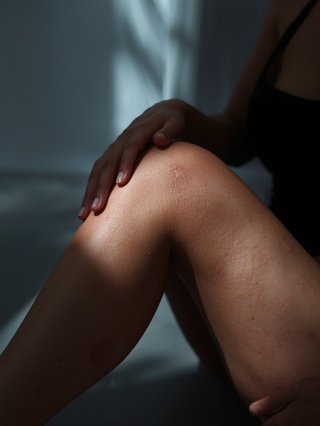
The physiological mechanisms involved are often rooted in complex endocrine and metabolic imbalances. A primary factor is frequently polycystic ovary syndrome, characterized by chronic hyperandrogenism and ovulatory dysfunction. While a transient increase in hormone levels is a natural part of physical maturation during puberty, persistent deviations in hair distribution patterns serve as a clinical indicator that warrants professional medical evaluation to understand the broader systemic context.
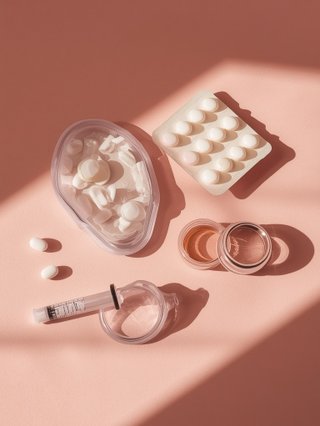
For practical daily management, identifying the root cause is the most critical step. Early consultation with a healthcare professional allows for targeted management and the development of a personalized therapeutic strategy, which may include pharmacological interventions to balance the hormonal environment. While cosmetic procedures may provide temporary relief, focusing on medical diagnostics remains the most reliable approach to supporting long-term health and emotional stability.
Hirsutism: etiologic determinants and pathophysiologic mechanisms of androgen-dependent excessive hair growth in females
Hirsutism is a treatment
Want to apply these guidelines in your daily diet?
Our smart diet generator creates a tailored meal plan in 3 minutes based on the recommendations in this article.

mgr Tim Klein
• 25.09.2026Diets Premium Expert
Diets Premium team expert. Specializes in nutrition plans, strength sports, and training plans.