Astaxanthin: Effects, Occurrence, Preparations and Side Effects
Smart Voice
AITable of Contents 5
Astaxanthin: A naturally derived antioxidant with a minimum 5% concentration by product weight, surpassing conventional compounds in efficacy
In contemporary discussions surrounding bodily detoxification and cellular protection, considerable attention is given to compounds that mitigate oxidative damage. While vitamin C is widely recognized for its antioxidant properties and green tea is celebrated for its ability to scavenge free radicals, astaxanthin—now regarded by scientific consensus as the most potent antioxidant currently known—remains underappreciated in public awareness. Rigorous, peer-reviewed studies conducted across multiple research institutions have consistently demonstrated that this remarkable carotenoid exhibits antioxidant activity that is 65 times greater than that of vitamin C, 54 times more potent than beta-carotene, 550 times more effective than vitamin E, and an astonishing 800 times more powerful than coenzyme Q10. To fully appreciate its benefits, it is essential to explore how antioxidants function within the human body to counteract oxidative stress and preserve cellular integrity.
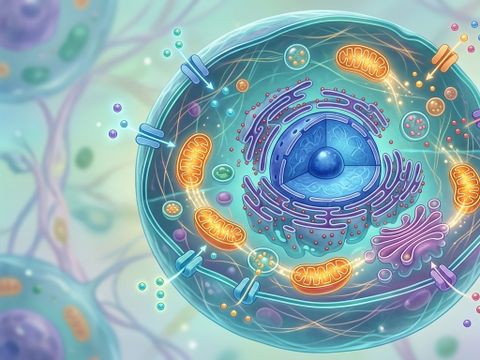
The primary biological role of astaxanthin involves the neutralization of toxic byproducts and the deactivation of free radicals—highly reactive molecular species capable of inflicting substantial damage to cellular membranes, proteins, and DNA. Given the escalating levels of environmental pollution, the ubiquity of synthetic preservatives in food systems, and the cumulative exposure to pro-oxidative agents, the human body frequently encounters oxidative challenges that exceed its endogenous defensive capabilities. This necessitates the supplementation of dietary or exogenous antioxidants with empirically validated efficacy. Astaxanthin belongs to the carotenoid family, a class of phytochemicals responsible for the vibrant pigmentation observed in various plants and microorganisms, ranging from the orange hue of carrots to the deep purple of eggplants and the rich blue of bilberries. What distinguishes astaxanthin from its carotenoid counterparts? Unlike most members of this group, which are metabolically converted into vitamin A—a fat-soluble nutrient critical for vision, immune function, and epithelial maintenance—astaxanthin is not utilized as a precursor for retinol synthesis. Instead, it circulates systemically through the bloodstream and tissues, exerting its protective effects ubiquitously across all physiological compartments.
Astaxanthin: Evidence-Based Mechanisms of Action and Documented Health Benefits in Humans
Astaxanthin: Occurrence and Bioaccumulation Across the Food Chain
Astaxanthin supplements: Natural versus synthetic sources and formulations
Astaxanthin: Potential adverse reactions and supplementation guidelines
Want to apply these guidelines in your daily diet?
Our smart diet generator creates a tailored meal plan in 3 minutes based on the recommendations in this article.
Tags

Julia Wójcik
Diets Premium Expert
Diets Premium team expert. Specializes in nutrition plans, strength sports, and training plans.