Nutrition Nutritional Science 5 min read

Excess Uric Acid in the Body – Causes and Treatment Options

Excess Uric Acid in the Body – Causes and Treatment Options
1 photo
834

Smart Voice

AI
0:00
0:00
Listen to the article content live
Table of Contents 5
Even asymptomatic exceeding of the normal uric acid level can have a negative impact on the circulatory and cardiac system. Recent research indicates that dietary adjustments are necessary for individuals with elevated uric acid levels, not only in cases of gout.
01 / 05

Uric Acid Formation: How It Occurs

Uric acid is primarily synthesized in the liver, but it is also produced in muscles, kidneys, and blood vessels. It represents the final product of purine metabolism, which is mainly derived from animal-based foods, particularly meat. Purines are components of the nitrogenous bases guanine and adenine, essential for DNA and RNA formation. Additionally, uric acid is generated endogenously as purines are released during cellular turnover. It functions as an antioxidant, and research by R. El Ridi and colleagues suggests it may play a role in preventing multiple sclerosis, supported by a meta-analysis by L. Wang and colleagues, which found lower uric acid levels in affected individuals compared to healthy controls. However, excessive uric acid can have adverse effects, necessitating maintenance within the reference range of 180–420 µmol/l (3–7 mg/dl).
02 / 05

Elevated uric acid levels and associated risks

Uric acid is the final product of purine metabolism and cannot be further metabolized in humans due to the absence of the uricase enzyme, which converts it into more soluble allantoin in other mammals. When its production is excessive or renal excretion is impaired, uric acid crystallizes in tissues, potentially leading to gout. However, elevated uric acid levels do not always manifest clinically. Causes of hyperuricemia include a diet rich in purines and fructose, excessive alcohol consumption, malignancies, renal dysfunction, and genetic predisposition. Research indicates that even asymptomatic hyperuricemia may increase the risk of cardiovascular diseases. In patients with cardiovascular conditions, the threshold for uric acid levels may be lower than the standard 7 mg/dl. Studies by A.G. Ioachimescu and colleagues demonstrated that each 1 mg/dl increase in uric acid levels was associated with a 39% higher mortality risk in high-risk cardiovascular patients. Given these potential hazards, healthy individuals should regularly monitor their uric acid levels, especially if they have diabetes, lipid disorders, or kidney diseases.
03 / 05

Hyperuricemia: To Treat or Not to Treat? An Analysis of Therapeutic Strategies

For patients with cardiovascular risk, as recommended by C. Borghi et al., uric acid levels should be maintained below 6 mg/dl (or below 5 mg/dl for those at very high risk). Experts have developed comprehensive guidelines in the form of a five-step ladder that outlines the stages for normalizing this parameter. The initial approach involves adopting a healthy lifestyle, including a diet that prevents excessive uric acid production. Pharmacological treatment may be considered for at-risk patients, though the decision remains with the physician. Regardless of medication, a well-balanced diet remains a safe method for regulating uric acid levels, though its effectiveness may vary across cases.
04 / 05

Lifestyle modifications to prevent hyperuricemia

What lifestyle adjustments are necessary to prevent hyperuricemia? 1) Consistent physical activity is crucial. According to World Health Organization guidelines, adults should engage in at least 150 minutes of moderate-intensity exercise per week. 2) Excessive fructose intake should be significantly reduced. In liver cells, fructose increases phosphorus consumption for phosphorylation, leading to a decrease in intracellular phosphorus levels. This activates metabolic processes that produce uric acid, which then enters the bloodstream. Therefore, sources of simple sugars such as sweetened beverages, high-fructose corn syrup (HFCS), or sucrose should be eliminated from the diet. Regular consumption of fruit juices is also not recommended. However, consuming fruit in recommended amounts (approximately 4 servings per day) does not negatively impact uric acid levels, as confirmed by a meta-analysis by S. Ayoub-Charette and colleagues. 3) It is necessary to limit the intake of foods that elevate uric acid levels. As studies by R. Li and colleagues indicate, red meats (pork, beef, lamb, game), seafood, and alcohol should be avoided. Additionally, due to high purine content, the consumption of meat broths, sardines, herrings, cocoa products, and pickles should be restricted. Hyperuricemia is a risk factor for cardiovascular diseases, so the diet should be heart-friendly. The DASH diet is recommended, which is based on whole grains, coarse cereals, dairy products, fruits, and vegetables. This diet also includes fish, poultry, nuts, and seeds. Saturated fats should be minimized and replaced with unsaturated fatty acids. It is advised to avoid fatty meats, cheeses, offal, lard, coconut oil, and instead prefer plant-based oils such as flaxseed, rapeseed, or olive oil.
05 / 05

Recommended dietary plan for managing hyperuricemia

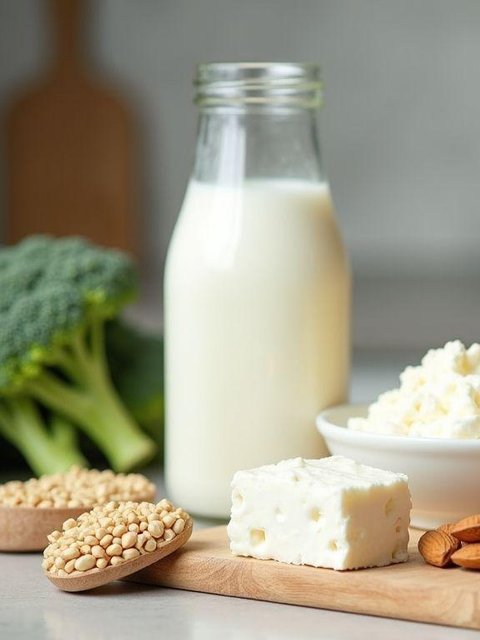
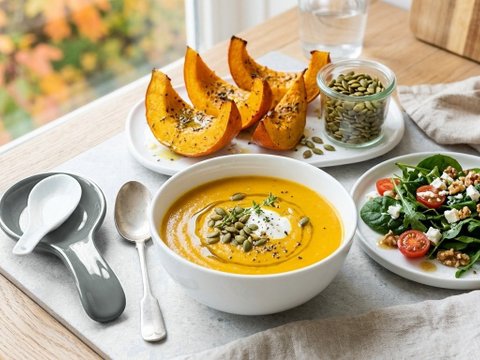
Complex carbohydrates: 6–8 servings per day, adjusted to individual needs. Opt for whole-grain products such as whole-grain bread, whole-grain pasta, oatmeal, brown rice, and buckwheat. Vegetables and fruits: 4–5 servings daily, with a 3:1 ratio favoring vegetables, totaling at least 500 g per day. Dairy products: 2–3 servings daily, preferably yogurt, milk, cottage cheese, or other cheeses (moderate fat content). Nuts, seeds, and legumes: 4–5 servings per week. Plant-based fats in raw form: daily. Lean meat and fish: 3–4 servings per week.
Meal Plan

Want to apply these guidelines in your daily diet?

Our smart diet generator creates a tailored meal plan in 3 minutes based on the recommendations in this article.

mgr Tim Klein
Scientifically reviewed by a clinical dietitian • 25.09.2026

mgr Tim Klein

Diets Premium Expert

Diets Premium team expert. Specializes in nutrition plans, strength sports, and training plans.

USDA FoodData Central EFSA PubMed Clinical Guidelines

Loading
Recommended articles in this category

Related Articles

Discover similar publications and expert insights.

Homocysteine – Risk Factor for Cardiovascular Diseases
Nutritional Science
Homocysteine – Risk Factor for Cardiovascular Diseases
⏱ 8 min czytania 📚 Nutritional Science
#Cardiovascular Diseases #Obesity
Dietary Magnesium: Key Food Sources, Thermal Processing Losses, and Bioavailability Factors
Nutritional Science
Dietary Magnesium: Key Food Sources, Thermal Processing Losses, and Bioavailability Factors
⏱ 4 min czytania 📚 Nutritional Science
#Food Processing #Magnesium
Love, chocolate, and a bottle of red wine - the best recipe for a healthy heart!
Heart Health
Love, chocolate, and a bottle of red wine - the best recipe for a healthy heart!
⏱ 1 min czytania 📚 Heart Health
#Chocolate #Red Wine
Cardiac Neurosis – What It Is and Its Symptoms
Cardiac
Cardiac Neurosis – What It Is and Its Symptoms
⏱ 4 min czytania
#Cardiac #Mental
How to Protect Your Heart While Maintaining Health?
Cardiac
How to Protect Your Heart While Maintaining Health?
⏱ 3 min czytania
#Cardiac #Heart Health
How to Improve Heart Health and Prevent Cardiovascular Diseases?
Heart Health
How to Improve Heart Health and Prevent Cardiovascular Diseases?
⏱ 5 min czytania
#Heart Health #Cardiovascular Diseases
The French and Inuit Paradox in Cardiovascular Diseases – Do Scientists Have the Answer?
Nutrition
The French and Inuit Paradox in Cardiovascular Diseases – Do Scientists Have the Answer?
⏱ 8 min czytania
#Nutrition #Cardiovascular Diseases
Dietary Sodium Excess and Arterial Hypertension: Pathophysiology, Hidden Food Sources, and the DASH Paradigm
Dietary Habits
Dietary Sodium Excess and Arterial Hypertension: Pathophysiology, Hidden Food Sources, and the DASH Paradigm
⏱ 2 min czytania
#Dietary Habits #Sodium Intake
Green Tea (Camellia sinensis) – Health Benefits, Catechins (EGCG), and Physiological Impact
Functional Foods
Green Tea (Camellia sinensis) – Health Benefits, Catechins (EGCG), and Physiological Impact
⏱ 3 min czytania 📚 Functional Foods
#Coronary Artery Disease #Camellia Sinensis
Butter: A nutritional treasure or a hidden threat to cardiovascular well-being?
Dairy-Based
Butter: A nutritional treasure or a hidden threat to cardiovascular well-being?
⏱ 3 min czytania 📚 Dairy-Based
#Culinary Traditions #Dietary Guidelines
Cardioprotective Evidence for Routine Peanut Butter Intake: Lipid Dynamics and Clinical Recommendations
Food Science
Cardioprotective Evidence for Routine Peanut Butter Intake: Lipid Dynamics and Clinical Recommendations
⏱ 1 min czytania 📚 Food Science
#Cardiovascular Health #Peanut Butter
Risks of Excessive Ultrasound in Pregnancy: Acoustic Indices, Bioeffects, and Safety Guidelines
Pregnancy & Motherhood
Risks of Excessive Ultrasound in Pregnancy: Acoustic Indices, Bioeffects, and Safety Guidelines
⏱ 2 min czytania 📚 Pregnancy & Motherhood
#Health Consequences #Fetal Development
Cardioprotective Nutrition: Atherosclerosis Prevention, Lipid Profile Optimization, and Endothelial Health
Cardiovascular Diseases
Cardioprotective Nutrition: Atherosclerosis Prevention, Lipid Profile Optimization, and Endothelial Health
⏱ 10 min czytania
#Cardiovascular Diseases #Cardiovascular Health
Gastrointestinal Infection – Causes, Duration, Treatment, Nutrition Plan
Nutrition
Gastrointestinal Infection – Causes, Duration, Treatment, Nutrition Plan
⏱ 5 min czytania 📚 Nutrition
#Immune System #Nutrition
Hashimoto – Causes, Symptoms, Diagnosis, Treatment, Nutrition
Nutrition
Hashimoto – Causes, Symptoms, Diagnosis, Treatment, Nutrition
⏱ 7 min czytania 📚 Nutrition
#Hashimoto's Disease #Nutrition
Phenylketonuria – Medical Treatment, Diet, and Nutritional Guidelines

Nutrition
Phenylketonuria – Medical Treatment, Diet, and Nutritional Guidelines
⏱ 6 min czytania 📚 Nutrition
#Dietary Recommendations #Nutritional Guidelines

Avoiding Infections During Pregnancy – Caring for Mother and Baby Health
Nutritional Science
Avoiding Infections During Pregnancy – Caring for Mother and Baby Health
⏱ 6 min czytania 📚 Nutritional Science
#Maternal Health #Pregnancy
Estragon – Cultivation, Uses, Health Properties
Nutrition
Estragon – Cultivation, Uses, Health Properties
⏱ 5 min czytania 📚 Nutrition
#Staple Ingredient #Herbal
Are These Truly the Product Labels We’ll Find on Them?
Nutrition
Are These Truly the Product Labels We’ll Find on Them?
⏱ 6 min czytania 📚 Nutrition
#Health And Wellness
MIND Dietary Regimen – Advantageous Consequences for Brain Functioning
Marine
MIND Dietary Regimen – Advantageous Consequences for Brain Functioning
⏱ 5 min czytania 📚 Marine
Optavia Nutritional Plan – Diet Based on Food in Powder Form
Marine
Optavia Nutritional Plan – Diet Based on Food in Powder Form
⏱ 8 min czytania 📚 Marine
The GAPS Diet - Benefits, Drawbacks, Who It's Recommended For
Marine
The GAPS Diet - Benefits, Drawbacks, Who It's Recommended For
⏱ 7 min czytania 📚 Marine
Is a Switch to a Dairy-Free Diet Beneficial for Health?
Marine
Is a Switch to a Dairy-Free Diet Beneficial for Health?
⏱ 7 min czytania 📚 Marine
Food yellow fever syndrome - symptoms and diet
Nutrition
Food yellow fever syndrome - symptoms and diet
⏱ 4 min czytania 📚 Nutrition
#Nutrition
Egg yolk - nutritional components and medical recommendations... how to use egg yolk?
Nutrition
Egg yolk - nutritional components and medical recommendations... how to use egg yolk?
⏱ 5 min czytania 📚 Nutrition
#Balanced Diet #Cardiovascular Health
Calcium sources in dairy-free diets
Nutrition
Calcium sources in dairy-free diets
⏱ 4 min czytania 📚 Nutrition
#Calcium Sources #Dairy Products
Is it truly balanced nutrition in practice that should be on the plate?
Nutrition
Is it truly balanced nutrition in practice that should be on the plate?
⏱ 2 min czytania 📚 Nutrition
#Balanced Diet #Balanced Nutrition
Chinese soup - ingredients, calorie count, health effects and pregnancy
Nutrition
Chinese soup - ingredients, calorie count, health effects and pregnancy
⏱ 6 min czytania 📚 Nutrition
#Calorie Content #Caloric Content
American Cranberry: Phytotherapeutic Power of Proanthocyanidins in UTI Prevention and Cellular Defense
Fruits
American Cranberry: Phytotherapeutic Power of Proanthocyanidins in UTI Prevention and Cellular Defense
⏱ 1 min czytania 📚 Fruits
#Disease Prevention
Cranberries – Cultivation, Properties, Effects, Recipes.. Cranberries during pregnancy
Fruits
Cranberries – Cultivation, Properties, Effects, Recipes.. Cranberries during pregnancy
⏱ 4 min czytania 📚 Fruits
#Berries #Pregnancy

Share