5 min read
Everything one should know about jams, preserves, jellies, and marmalades
1 photo
821
Smart Voice
AI
0:00
0:00
Listen to the article content live
Table of Contents 4
From festive treats with aromatic caramel notes to simple sandwiches with cottage cheese, adorned with cherry jam, preserves have always been our reliable companions. It is crucial to be aware of the composition of fruit preserves in order to savor the authentic taste of fruits without any detrimental effects on health.
01 / 04
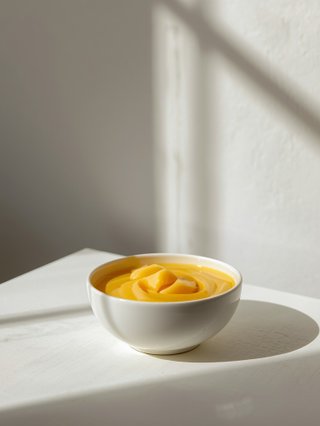
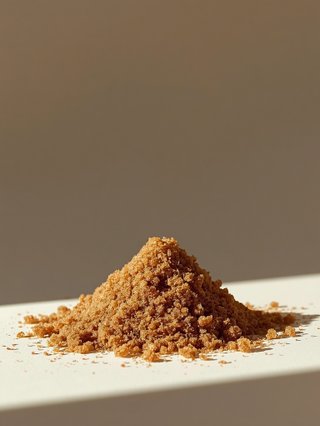
Gel-textured fruit preserve – classic jam
Jam represents one of the most widely consumed fruit preserves, produced through the controlled boiling of a sweetened concentrate derived from partially macerated fruit—typically of a single variety—or fresh fruit pulp, supplemented with ingredients such as sucrose, natural pectins, organic acids (including citric acid, which acts as both a preservative and antioxidant), and optionally additional fruit or vegetable juices. To enhance the final product’s color intensity, coloring juices such as beetroot may be incorporated. Industrial-scale jam production employs vacuum technology, which facilitates rapid evaporation of excess moisture, thereby reducing thermal exposure and minimizing the degradation of heat-sensitive vitamins. During processing, the fruit mass loses approximately one-fifth of its water content. The distinctive gel-like texture of jam is attributable to pectins—plant-based polysaccharides that, in acidic conditions, form a three-dimensional network of bonds, imparting the product’s characteristic semi-solid consistency. Commercially available jams are categorized by sugar content: low-sugar variants contain between 25 and 60 grams of fruit per 100 grams of product (compared to 25–50 g in standard versions), while sugar levels range from 35–40 g to 60 g, respectively. Pasteurization serves as an additional safeguard against the proliferation of undesirable microbial flora, ensuring product longevity.
02 / 04
Fruit preparation in sugar-starch syrup containing between 50% and 60% fruit per 100 grams of finished product by weight
This fruit preserve represents a traditional preparation in which whole or segmented fruits of a single variety undergo prolonged cooking—commonly referred to as "candying"—within an aqueous sugar solution or fruit juice base, a method designed to retain the fruit’s original shape and texture. The underlying mechanism relies on osmotic diffusion, whereby sugar molecules migrate from the higher-concentration syrup into the fruit’s cellular structure until equilibrium is achieved between the liquid and the pulp. To prevent sucrose crystallization during processing, starch-based syrup is incorporated, simultaneously enhancing the final product’s viscosity. Pectolytic enzymes, which break down the fruit’s natural pectins, inhibit undesirable gel formation in the syrup, while calcium compounds fortify the fruit’s firmness, imparting a distinctive bite. The extended thermal treatment induces partial evaporation of water, resulting in a thick, flavorful syrup enveloping the fruit. Product stability is ensured by elevated sugar concentrations: low-sugar variants contain a minimum of 45%, whereas high-sugar preparations may reach up to 70%. The former are best pasteurized to extend shelf life. Genuine preserves contain no artificial preservatives, deriving their quality solely from natural physicochemical processes and meticulously balanced ingredient ratios.
03 / 04
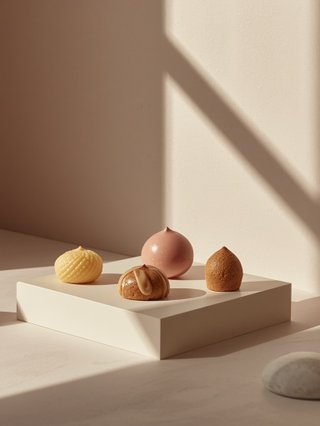
Artisanal plum fruit butter with rich sweet-tart flavor and caramel undertones
This artisanal plum fruit butter is distinguished by its velvety, semi-solid texture—achieved through prolonged, low-temperature reduction of plum purée—which imparts both its signature deep mahogany hue and a complex flavor profile balancing bright acidity with unctuous sweetness, subtly underscored by caramelized undertones. The production method commences with the thermal processing of Hungarian prune plums (*Prunus domestica* ‘Stanley’), wherein controlled evaporation removes approximately fifty percent of the fruit’s original moisture content. During this extended cooking phase, both exogenous sucrose and the inherent fructose undergo non-enzymatic browning reactions—specifically the Maillard reaction followed by caramelization—yielding the product’s distinctive toasted sweetness and layered depth. Nutritionally, each 100-gram serving contains roughly 30 grams of sugars, while the fruit solids concentration remains exceptionally high, ranging between 160 and 210 grams of raw plum material per 100 grams of finished spread.
04 / 04
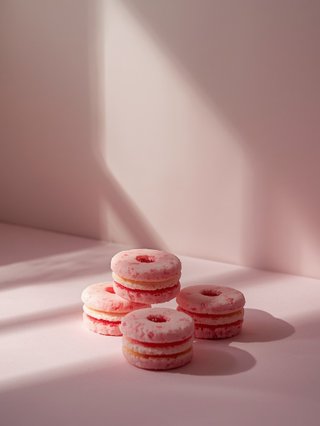
Marmalade: A dense, multi-fruit preserve with rich texture and concentrated flavor
Marmalade is a dense, jelly-like multi-fruit preserve obtained by concentrating sweetened fruit purées, fresh fruit, or—unfortunately, as most commonly practiced by manufacturers—sulfur-treated multi-fruit pulps supplemented with approximately 50 grams of sugar per 100 grams of product. Sulfurization, which employs sulfur dioxide as an antibacterial agent, inhibits enzymatic browning but raises health concerns due to its chemical nature. The primary ingredient in marmalade is apple pulp, naturally rich in pectin, which ensures the final product’s thick, gel-like texture. The distinctive color, flavor, and aroma are achieved by incorporating noble fruits such as raspberries, gooseberries, or blueberries. The production process resembles that of fruit jams, though marmalade undergoes vacuum dehydration to double its concentration. Two commercial varieties exist: **firm marmalade** (containing 110–130 g of fruit per 100 g) and **soft marmalade** (80–100 g of fruit per 100 g), both with a sugar content of roughly 50 g per 100 g. Given their high sugar content and potential organic acid additives, these preserves should not contain artificial preservatives (e. g., sodium/potassium benzoate, sorbic acid). Shelf life, particularly for low-sugar variants, is extended through pasteurization. Consumers should avoid products sweetened with glucose-fructose syrup or starch syrup instead of sugar, as well as those containing flavorings or thickeners (xanthan gum, guar gum), which often compensate for insufficient fruit content. While homemade preserves are ideal, high-quality commercial options exist—provided the ingredient list is scrutinized thoroughly.
Meal Plan
Want to apply these guidelines in your daily diet?
Our smart diet generator creates a tailored meal plan in 3 minutes based on the recommendations in this article.

Scientifically reviewed by a clinical dietitian
• 24.09.2026
Literatura: Rozporządzenie Ministra Rolnictwa i Rozwoju Wsi z dnia 29 lipca 2003 r. „Towaroznawstwo żywności przetworzonej z elementami technologii” pod red. Świderski Franciszek , Waszkiewicz-Robak Bożena. Wyd. SGGW
Diets Premium Expert
Diets Premium team expert. Specializes in nutrition plans, strength sports, and training plans.
USDA FoodData Central
EFSA
PubMed Clinical Guidelines