Causes of constipation and non-pharmacological treatment strategies: diet, fiber, and lifestyle


Table of Contents 5
Medical & Editorial Disclaimer (§3 Terms): This article is for informational and educational purposes only, does not constitute medical advice, diagnosis, or treatment, and is used at your own risk. Consult a qualified physician for medical conditions.
The physiological mechanics of healthy colonic transit rely on a balanced synergy between different dietary fiber fractions and intestinal fluid balance. Insoluble fiber from whole grains and raw vegetables mechanically expands stool volume and stimulates colonic contractions. Simultaneously, soluble fiber from oats, psyllium, and legumes absorbs water to form a soft gel, preventing stool desiccation. Benefical gut microbes ferment these fibers into short-chain fatty acids, which nourish the intestinal lining and enhance motor activity. Without sufficient fluid, the colon reabsorbs excess water, leading to compacted stools. Additionally, proper defecation ergonomics relax the pelvic floor muscles, allowing for smooth evacuation without unnecessary strain.
To promote long-term digestive regularity, individuals are encouraged to gradually increase their intake of diverse, fiber-rich plant foods while maintaining consistent hydration throughout the day. Incorporating prebiotic foods alongside traditional fermented products supports a resilient gut microbiome that aids colonic motility. Adopting an anatomically favorable squatting posture with a footstool during bowel movements, combined with regular daily movement, provides a practical and safe strategy to optimize intestinal transit naturally.
Functional constipation represents one of the most pervasive gastrointestinal complaints in modern clinical practice, afflicting an estimated 15–20% of the adult population, with higher prevalence among females and elderly demographics. It is clinically recognized by infrequent defecation (fewer than three bowel movements per week), passage of hard, lumpy stools (Bristol types 1–2), excessive straining, and persistent sensations of incomplete rectal evacuation. While constipation may secondary to systemic diseases or medication side effects, the overwhelming majority of cases stem from modifiable lifestyle factors: low dietary fiber, suboptimal hydration, and pervasive physical inactivity.
Physiology of Colonic Motility and Rome IV Diagnostic Criteria
Physiological defecation requires synchronized colonic peristalsis, abdominal wall contraction, and pelvic floor muscle relaxation. Under the established Rome IV clinical criteria, functional constipation is formally diagnosed when symptoms persist for at least 3 months (with onset at least 6 months prior) and encompass two or more of the following features during at least 25% of defecations: straining, lumpy or hard stools (Bristol Stool Scale 1–2), sensation of incomplete evacuation, sensation of anorectal obstruction/blockage, manual maneuvers to facilitate defecation, and fewer than three spontaneous bowel movements per week. Loose stools are rarely present without laxatives, and criteria for irritable bowel syndrome are insufficient.
Primary Etiological Drivers: Dietary Deficits, Hypohydration, and Inactivity
The predominant driver of constipation is the typical Western ultra-processed diet, characterized by refined starches, excessive animal fats, and critically low plant fiber. Insufficient stool volume deprives the colonic myenteric plexus of mechanoreceptor stretch stimulation, markedly decelerating transit times. Chronic hypohydration compounds this issue: when water intake is insufficient, the colon maximizes water reabsorption to preserve systemic homeostasis, producing desiccated, impacted feces. Furthermore, sedentary behaviors weaken abdominal and diaphragmatic muscular tone, while habitual suppression of the defecation urge (due to social discomfort or busy schedules) progressively blunts normal rectal sensory compliance and neuromuscular responsiveness.
The Role of Dietary Fiber: Soluble vs. Insoluble Fractions in Stool Dynamics
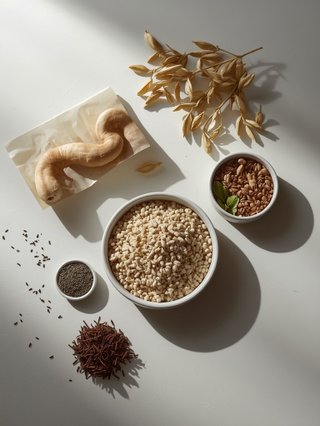
Effective dietary resolution of constipation demands 25–35 g of total dietary fiber daily, balancing both structural categories. Insoluble fiber (cellulose, lignin—predominant in wheat bran, whole grains, raw vegetables, and fruit skins) functions mechanically: it resists fermentation, mechanically stimulates colonic mucosa, increases fecal bulk, and accelerates transit. Soluble fiber (pectin, beta-glucan, psyllium husk—found in oats, barley, apples, legumes, chia seeds, and ground flaxseed) forms a cohesive, water-binding viscous gel that softens stool consistency and facilitates frictionless transit. Crucially, fiber intake must be scaled incrementally and strictly accompanied by generous hydration (at least 2–2.5 L of water daily); fiber without water paradoxically aggravates impaction.
Gut Microbiota, Prebiotics, and Functional Foods for Bowel Regularity
Colonic microflora ferment soluble fibers and resistant starch into short-chain fatty acids (SCFAs), predominantly butyrate, propionate, and acetate. Butyrate fuels colonocyte integrity, lowers luminal pH, and stimulates enteric prokinetic contractions. An anti-constipation diet should actively feature prebiotics: inulin (found in chicory root, Jerusalem artichoke, leeks, garlic), fermented dairy cultures (kefir, live probiotic buttermilk), and traditional lacto-fermented vegetables (sauerkraut, kimchi). Furthermore, prunes (dried plums) and prune juice act as potent natural prokinetics owing to their high concentration of sorbitol—a non-absorbable sugar alcohol exerting a gentle osmotic effect that draws water into the stool matrix—alongside gentle flaxseed mucilage infusions.
Defecation Ergonomics (The Squatting Stool), Physical Activity, and Bowel Habits
A pivotal yet frequently neglected element in overcoming chronic constipation is defecation biomechanics. The standard modern sitting posture on conventional toilets creates a 90-degree anorectal angle, causing the puborectalis muscle to pinch the rectum and necessitating intense, dangerous straining. Utilizing a footstool (squatting stool, approx. 15–20 cm high) elevates knees above hips into an anatomical 35-degree squatting angle. This completely relaxes the puborectalis sling and straightens the anorectal canal, facilitating smooth, gravity-assisted evacuation. Patients should cultivate consistent morning bowel routines—leveraging the gastrocolic reflex after breakfast or a glass of warm water—coupled with regular aerobic exercise (walking, cycling, yoga) to enhance visceral tone.
Want to apply these guidelines in your daily diet?
Our smart diet generator creates a tailored meal plan in 3 minutes based on the recommendations in this article.

Wojciech Wiśniewski
• 25.11.2026Diets Premium Expert
Diets Premium team expert. Specializes in nutrition plans, strength sports, and training plans.