Estrobolome – what is it and what role does it play in the female body

Table of Contents 8
Medical & Editorial Disclaimer (§3 Terms): This article is for informational and educational purposes only, does not constitute medical advice, diagnosis, or treatment, and is used at your own risk. Consult a qualified physician for medical conditions.
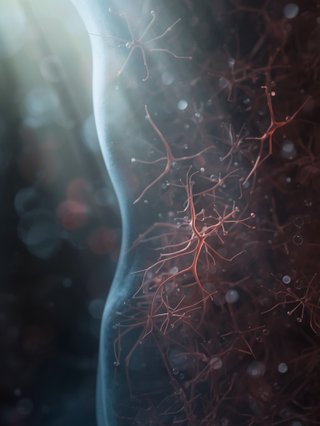
The estrobolome consists of microorganisms within the intestines that possess the enzymatic capacity to modify and metabolize estrogen, thereby determining its activity and availability throughout the body. When this delicate microbial ecosystem is disrupted by factors such as chronic stress, poor dietary choices, or sedentary habits, the resulting imbalance can significantly impact hormonal homeostasis. Understanding this mechanism is essential for recognizing how gut health directly influences systemic physiological stability.
To support a healthy estrobolome, it is beneficial to prioritize a balanced diet rich in fiber, including plenty of vegetables, fruits, and whole grains, which provide the necessary nourishment for beneficial gut bacteria. Consistent physical activity is equally important, as it aids in metabolic regulation and helps maintain a healthy body composition. Additionally, incorporating probiotics may assist in restoring microbial balance and protecting the gut environment, thereby fostering long-term hormonal health and overall vitality.
This article is professional premium content (PRO) provided in its entirety.
Understanding the Estrobolome
Estrogen's impact on female physiology
The impact of gut microbiota on estrogen levels
Maintaining balance in the estrobolome
Consistent physical exertion
Probiotic treatment
Strategies for Managing Chronic Stress and Its Health Implications
Summary
Want to apply these guidelines in your daily diet?
Our smart diet generator creates a tailored meal plan in 3 minutes based on the recommendations in this article.

Baker J.M., Al-Nakkash L., Herbst-Kralovetz M.M., Estrogen-gut microbiome axis: Physiological and clinical implications, „Maturitas” 2017, 103, 45-53. Campaniello D. et al., How Diet and Physical Activity Modulate Gut Microbiota: Evidence, and Perspectives, „Nutrients” 2022, 14(12), 2456. Cresci G.A., Bawden E., Gut Microbiome: What We Do and Don't Know, „Nutrition in Clinical Practice” 2015, 30(6), 734–746. Dahl W.J., Rivero Mendoza D., Lambert J.M., Diet, nutrients and the microbiome, „Progress in Molecular Biology and Translational Science” 2020, 171, 237–263. Estrogen, my.clevelandclinic.org/health/body/22353-estrogen (4.10.2023). Kim S.K. et al., Role of Probiotics in Human Gut Microbiome-Associated Diseases, „Journal of Microbiology and Biotechnology” 2019, 29(9), 1335–1340. Siddiqui R. et al., The Gut Microbiome and Female Health, „Biology” 2022, 11(11), 1683.
• 25.09.2026Diets Premium Expert
Diets Premium team expert. Specializes in nutrition plans, strength sports, and training plans.