Ellagic Acid: Dietary Sources, Microbial Conversion to Urolithins, and Therapeutic Potential

Smart Voice
AITable of Contents 4
Ellagic acid is a natural dimeric gallic acid polyphenol existing predominantly as complex ellagitannins within pomegranates, raspberries, strawberries, and walnuts. Emerging pharmacology demonstrates that its systemic benefits rely heavily on gut microbiota biotransformation: commensal bacteria convert ingested ellagitannins into bioactive urolithins, most notably Urolithin A. This comprehensive review examines its chemical architecture, culinary sources, anti-neoplastic signaling cascades, and breakthrough role in mitochondrial mitophagy.
Chemical Architecture and Dietary Distribution of Ellagitannins
Ellagic acid is the dilactone of hexahydroxydiphenic acid, exhibiting remarkable structural rigidity:
- Pomegranate (Punica granatum): Premier botanical source of hydrolyzable ellagitannins, notably punicalagins A and B in pericarp and juice.
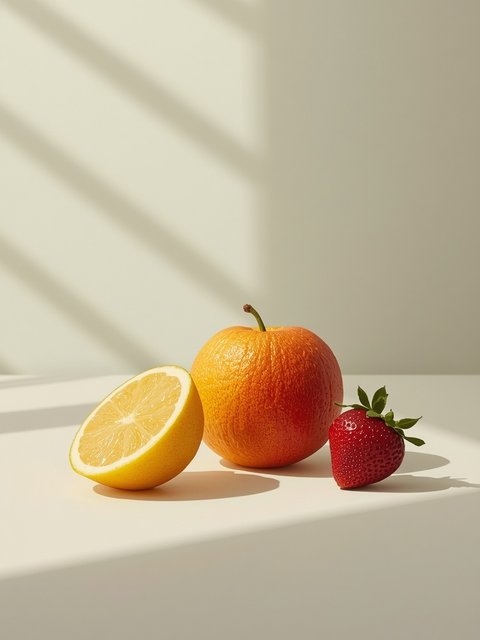
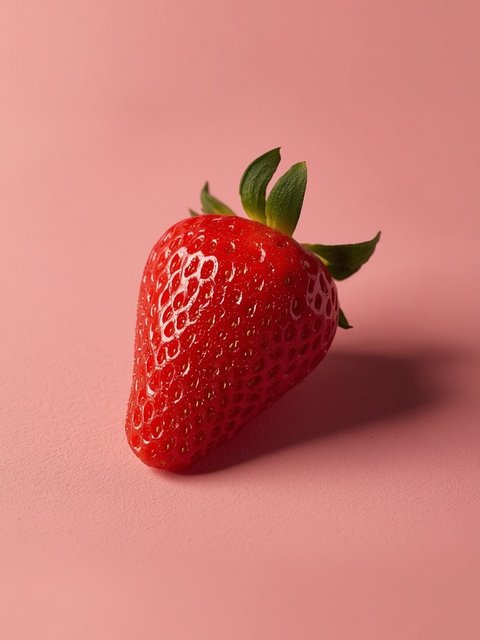
- Bacciferous Fruits: Abundant in red raspberries, wild strawberries, blackberries, and cloudberries.
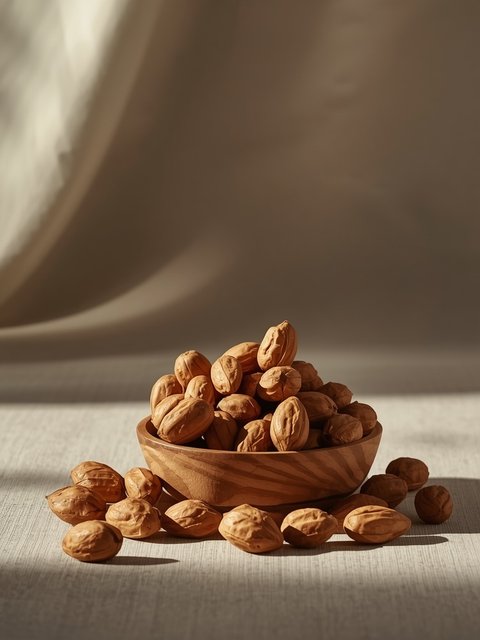
- Tree Nuts: Walnuts and pecans contain substantial quantities situated within their protective pellicle layer.
Microbiome Biotransformation: The Pivotal Action of Urolithin A
Intestinal absorption of raw ellagic acid is poor; therapeutic efficacy relies on colonic catabolism:
- Microbial Conversion Cascade: Specialized colonic commensals (e.g., Gordonibacter urolithinfaciens) hydrolyze ellagitannins through sequential dehydroxylations into Urolithin A.
- Mitophagy Activation: Urolithin A selectively cleanses dysfunctional mitochondria via autophagy (mitophagy), rejuvenating cellular ATP generation.
- Anti-Aging Longevity Signals: Validated clinical data show enhanced muscular endurance, lowered systemic inflammation, and improved metabolic health in aging adults.
Anti-Neoplastic Cascades: Cell Cycle Arrest and Apoptosis
Ellagic acid intervenes across initiation, promotion, and progression stages of oncogenesis:
- Cell Cycle Checkpoint Arrest: Arrests mutated cells at the G1/S boundary via repression of cyclin D1, cyclin-dependent kinase 4 (CDK4), and induction of p21.
- Apoptotic Cascades: Activates intrinsic caspase-mediated cleavage, shifting the Bax/Bcl-2 ratio to trigger programmed tumor cell death.
- Anti-Angiogenesis: Dampens vascular endothelial growth factor (VEGF) expression, starving solid neoplasms of essential capillary perfusion.
Gastroenterological Defense and Antimicrobial Properties
Protective actions throughout the alimentary tract:
- Helicobacter pylori Suppression: Selectively curtails Helicobacter pylori proliferation and bacterial urease activity, reducing gastric ulcer incidence.
- IBD Mitigation: Downregulates mucosal NF-κB, blunting interleukin-6 (IL-6) and tumor necrosis factor-alpha (TNF-α) in ulcerative colitis models.
- Dietary Target: Daily inclusion of 150 g fresh or frozen dark berries alongside pure pomegranate juice provides an optimal preventative threshold of ellagitannins.
Want to apply these guidelines in your daily diet?
Our smart diet generator creates a tailored meal plan in 3 minutes based on the recommendations in this article.
Tags

mgr Literatura: Edderkaoui M.., Odinokova I., Ohno I. i in., Ellagic acid induces apoptosis through inhibition of nuclear factor KB in pancreatic cancer cells, World J., Gastroenterol 2008; 14(23):3672 http://biotechnologia.pl/biotechnologia/elagotaniny-zwiazki-aktywne-biologicznie-ukryte-w-niektorych-owocach-jagodowych,12781, Kwiatkowska E., Kwas elagowy – zawartość w żywności i rola prozdrowotna, Postępy Fitoterapii, 4/2010, s. 211 Losso J. N., Bransode R. R., Trappey A. i in., In vitro anti-proliferative activities of ellagic acid, J Nutr Biochem, 2004; 15(11):672-8, Narayanan B. A., Narayanan N. K., Stoner G. D. i in., Interactive gene expression pattern in prostate cancer cells exposed to phenolic antioxidants, Life Sci 2002; 70:1821 Narayanan B. A., Re G. G., IGF – II down regulation associated cell cycle arrest in colon cancer cells exposed to phenolic antioxidant ellagic acid, Anticancer Res 2001; 21:359 Nohynek J., Alakomi H., Kähkönen M. i in., Berry Phenolics: Antimicrobial Properties and Mechanisms of Action Against Severe Human Pathogens. NUTRITION AND CANCER, 54 (1), 18–32, Papoutsi Z., Kassi E., Chinou I. i in., Walnut extract (Juglans regia L.) and its component ellagic acid exhibit anti-inflammatory activity in human aorta endothelial cells and osteoblastic activity in the cell line KS483, British Journal of Nutrition 2008, 4, 715 Puupponen-Pimiä R., Nohynek L., Meier C. i in., Antimicrobial properties of phenolic compounds from berries. J Appl Microbiol. 2001, Apr; 90(4):494
Diets Premium Expert
Diets Premium team expert. Specializes in nutrition plans, strength sports, and training plans.