Eggplant – Nutritional Value, Recipes. How to Prepare Eggplant?
Smart Voice
AITable of Contents 5
The Eggplant: A Botanical Specimen with a Rich Historical Legacy and Distinctive Attributes
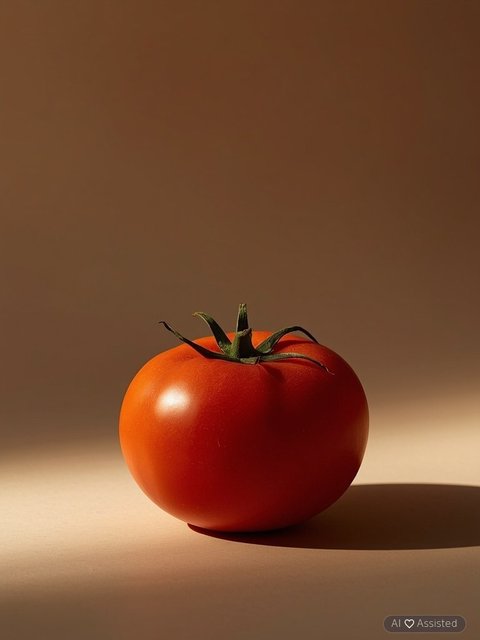
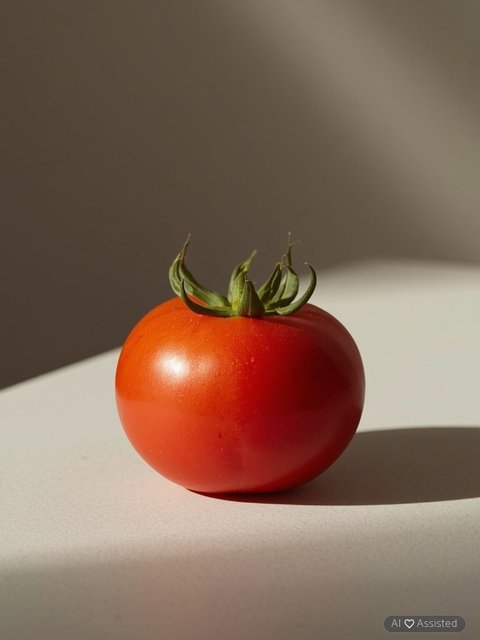
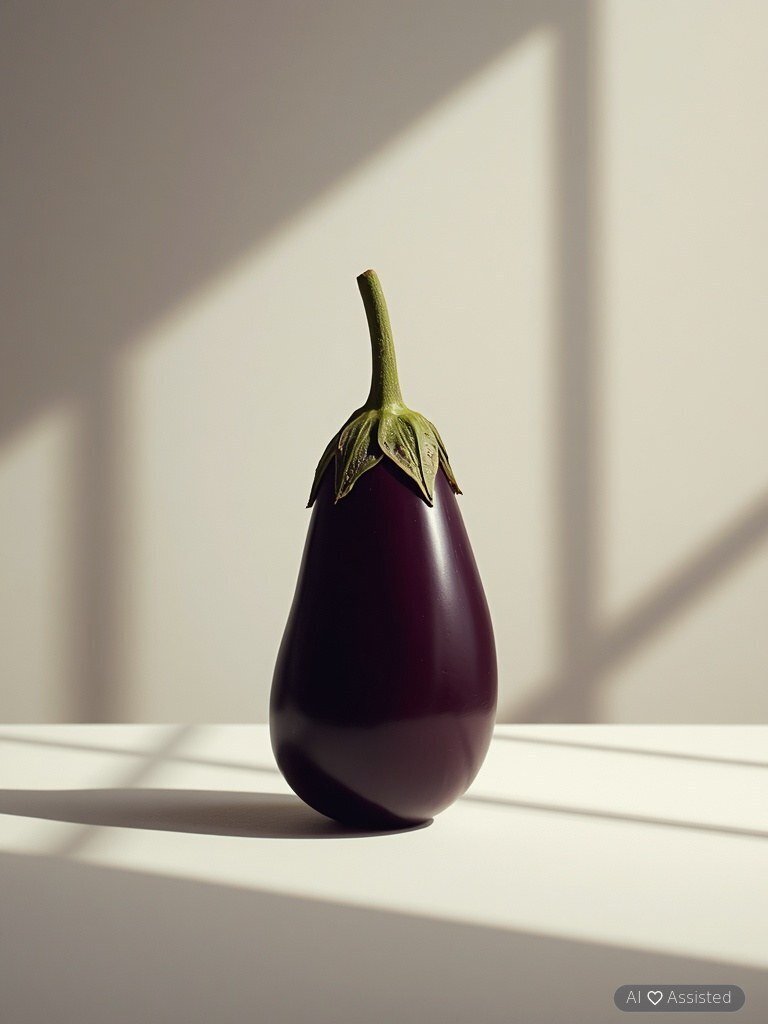
The plant commonly referred to as eggplant—or, in historical contexts, the "love apple"—was long regarded as possessing aphrodisiac qualities, a belief that contributed to its romanticized moniker across various cultures. From a taxonomic standpoint, it is classified within the *Solanaceae* family, commonly known as the nightshades, alongside other agriculturally significant species such as the potato (*Solanum tuberosum*), bell pepper (*Capsicum annuum*), and tomato (*Solanum lycopersicum*). This botanical affiliation underscores its close genetic and evolutionary ties to crops that have shaped global culinary traditions.
Tracing its origins, the eggplant is indigenous to the Asian continent, with the Indian subcontinent widely considered its center of domestication. Through ancient trade networks, it subsequently migrated westward into Europe, where its earliest cultivated specimens were documented on the Iberian Peninsula. The region’s Mediterranean climate—marked by abundant sunlight and temperate rainfall—proved particularly conducive to its growth. As cultivation expanded into cooler northern latitudes, however, the necessity of greenhouse environments became evident, as these structures provided the controlled thermal conditions essential for sustaining this heat-sensitive species in less hospitable climates.
A comprehensive nutritional and bioactive compound profile of eggplant (*Solanum melongena*) with implications for contemporary dietary guidelines
Eggplant – Nutritional Breakdown and Caloric Content per 100-Gram Serving
Comprehensive methods for preparing eggplant: frying, stewing, and baking techniques
Eggplant Culinary Guide: Verified Recipes Featuring This Versatile Vegetable
Want to apply these guidelines in your daily diet?
Our smart diet generator creates a tailored meal plan in 3 minutes based on the recommendations in this article.
Tags

Literatura: A. Golcz, B. Politycka, B. Markiewicz, Zawartość makroskładników w oberżynie (Solanum melongena L.) uprawianej w podłożach organicznych wielokrotnie użytkowanych , Roczniki Akademii Rolniczej w Poznaniu, 2005. Tradycje i innowacje w produkcji warzyw w Polsce, Warsztaty szkoleniowe dla producentów warzyw, Klwów, 4.03.2016 Dr inż. Ewelina Hallmann, prof. dr hab. Ewa Rembiałkowska, Ciekawostki o warzywach korzeniowych, dyniowatych i psiankowatych prezentacja
Diets Premium Expert
Diets Premium team expert. Specializes in nutrition plans, strength sports, and training plans.