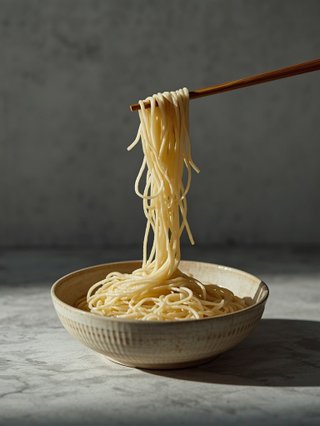
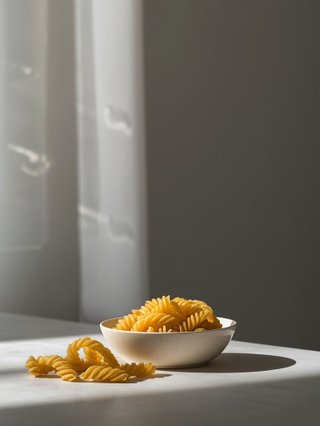
Does pasta cause weight gain in a diet? The effect of pasta consumption on body weight, glycemic index, and clinical studies
Table of Contents 4
Medical & Editorial Disclaimer (§3 Terms): This article is for informational and educational purposes only, does not constitute medical advice, diagnosis, or treatment, and is used at your own risk. Consult a qualified physician for medical conditions.
The physiological impact of pasta is largely governed by its distinct physical food microstructure. The dense protein-starch matrix of durum wheat acts as a physical barrier that slows the degradation of starch by digestive enzymes, leading to a more gradual release of energy. Preparing pasta al dente further limits starch gelatinization, while the cooling process promotes the formation of resistant starch. These mechanisms collectively support metabolic health by improving satiety cues and stabilizing the body's response to carbohydrate intake.
To incorporate pasta effectively into a health-conscious diet, prioritize whole-grain varieties that offer a higher fiber content to enhance digestive satisfaction. Focus on portion moderation and balance your plate by pairing pasta with an abundance of vegetables, lean protein sources, and healthy fats. By adopting these practical strategies, you can enjoy pasta as part of a sustainable and nutritious diet that supports long-term wellness and helps maintain a healthy body weight.
Pasta and Body Weight – Dietary Facts vs Myths
The widespread belief that pasta consumption inevitably results in adiposity stems from oversimplified vilification of carbohydrates in popular fad diets. In biological reality, pasta per se is not obesogenic; positive energy balance and high-fat accompaniments dictate fat gain.
Key facts regarding pasta energetic density:
- Portion swelling dynamics – dry pasta provides roughly 340–350 kcal per 100 g, but absorbs over double its weight in boiling water. Consequently, a 100 g cooked portion provides only 130–150 kcal.
- Minimalist composition – authentic pasta contains solely durum wheat semolina and water (plus eggs in fresh varieties); it is completely free from added sugars and industrial saturated trans fats.
- The true culprit – excessive caloric intake typically originates from heavy cream-based sauces, processed bacon, melted cheeses, and oversized serving sizes exceeding physiological expenditure.
Clinical and Epidemiological Evidence – The Moli-sani and INHES Cohorts
The association between pasta consumption and anthropometric metrics was systematically investigated in landmark epidemiological cohorts published in Nutrition & Diabetes (Nature Publishing Group), assessing over 23,000 individuals across the Moli-sani (14,402 subjects) and INHES (8,964 subjects) registries.
Key clinical findings include:
- Absence of positive obesogenic correlation – pasta intake was not positively linked to elevated body mass index (BMI) or increased waist circumference when evaluated relative to total caloric intake.
- Lower abdominal adiposity – participants consuming pasta within an authentic Mediterranean framework exhibited significantly lower rates of general and central obesity and favorable waist-to-hip ratios (WHR).
- Dietary matrix synergy – in traditional Italian dining, pasta is served in moderate portions (~70–80 g) as a primi dish, paired with polyphenol-rich extra virgin olive oil, garlic, tomatoes, seafood, and legumes—contrasting sharply with heavily processed convenience meals.
Glycemic Index, Al Dente Cooking, and Resistant Starch Formation
The physiological impact of pasta is largely governed by its distinct physical food microstructure:
- Durum gluten-starch matrix – high-pressure extrusion encapsulates starch granules within a dense, compact protein network. This physical barrier slows amylolytic enzyme degradation, bestowing durum pasta with a naturally low glycemic index (GI 40–50).
- Al dente cooking mechanics – cooking pasta al dente leaves the innermost core firm, limiting excessive starch gelatinization. Slower enzymatic hydrolysis ensures sustained glucose release, dampening insulin secretion and curbing rebound hunger.
- Starch retrogradation (Type 3 Resistant Starch) – chilling cooked pasta in the refrigerator facilitates amylose recrystallization into resistant starch (RS3). Resistant starch bypasses small intestinal digestion, traveling to the colon where microbiota fermentation produces beneficial short-chain fatty acids (SCFAs), notably butyrate.
Formulating Satiating Pasta Meals for Fat Loss
To incorporate pasta effectively during weight loss without exceeding target energy bounds, apply these clinical nutrition strategies:
- Portion moderation – a dry serving of 50–70 g (yielding roughly 120–160 g cooked) provides optimal satisfaction while keeping carbohydrates within deficit parameters.
- Opt for whole-grain varieties – 100% whole durum, spelt, or rye pasta provides 8–10 g of dietary fiber per 100 g (more than double refined pasta), optimizing colonic satiety cues.
- The balanced plate model – allocate 1/4 of the plate to pasta, 1/4 to lean complete proteins (grilled poultry, wild shrimp, firm tofu, legumes), and 1/2 to fiber-rich, high-volume vegetables (zucchini, broccoli, fresh tomatoes).
- Emphasize tomato-based emulsifications – replace calorie-dense heavy creams with aromatic marinara or passata seasoned with garlic, fresh basil, and a controlled measure of extra virgin olive oil.
Want to apply these guidelines in your daily diet?
Our smart diet generator creates a tailored meal plan in 3 minutes based on the recommendations in this article.
Tags

Oliwia Kaczmarek
• 23.10.2026Diets Premium Expert
Diets Premium team expert. Specializes in nutrition plans, strength sports, and training plans.