Discover 20 unique Italian pastas – which one will become your favorite?
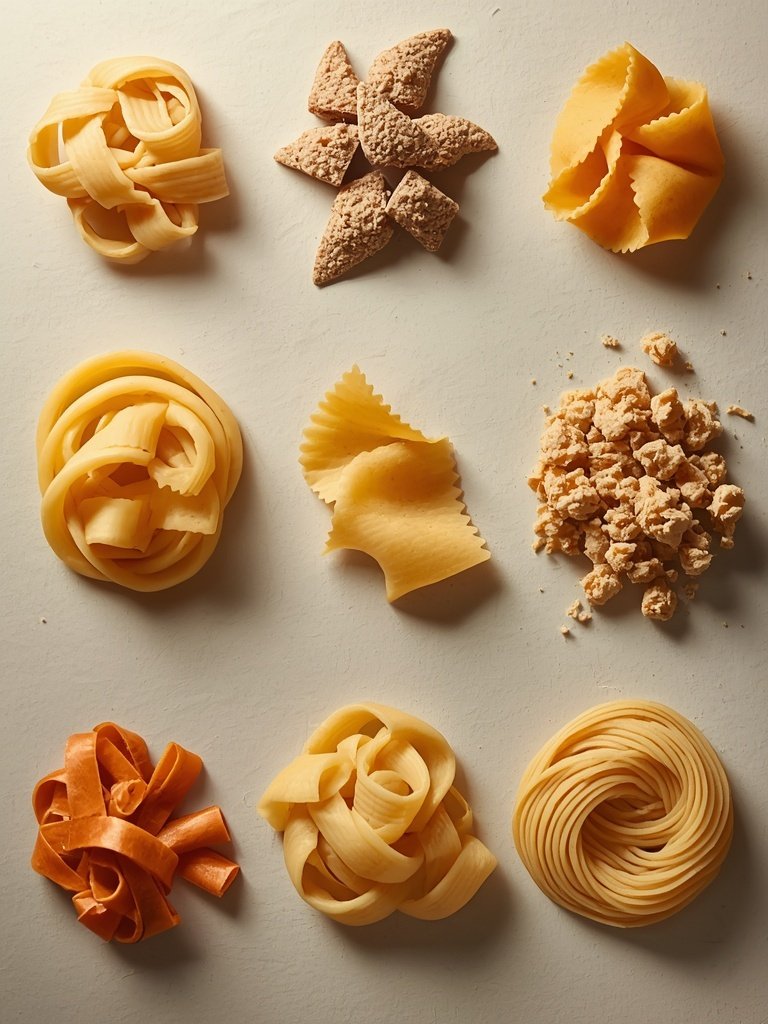
Table of Contents 5
Medical & Editorial Disclaimer (§3 Terms): This article is for informational and educational purposes only, does not constitute medical advice, diagnosis, or treatment, and is used at your own risk. Consult a qualified physician for medical conditions.
Physiologically, authentic pasta crafted from durum wheat semolina offers a unique complex carbohydrate profile that supports sustained energy release. The article highlights how the crystalline structure of the grain traps starch, which, when combined with the traditional al dente cooking method, contributes to a favorable metabolic response and prevents rapid fluctuations in blood sugar. From the sauce-trapping ridges of Rigatoni to the delicate strands of Capellini, each shape is analyzed for its role in creating a balanced plate rich in plant-based proteins and essential B vitamins.
For daily wellness, the practical application of these insights involves selecting specific pasta shapes to complement nutrient-dense ingredients like legumes, lean proteins, and fresh vegetables. By choosing regional varieties suited for soups or light emulsions, home cooks can create satisfying portions that emphasize quality over quantity. Incorporating these traditional Italian staples into a diverse diet encourages a mindful approach to eating, focusing on slow digestion and the holistic enjoyment of wholesome, minimally processed foods.
This article is professional premium content (PRO) provided in its entirety.
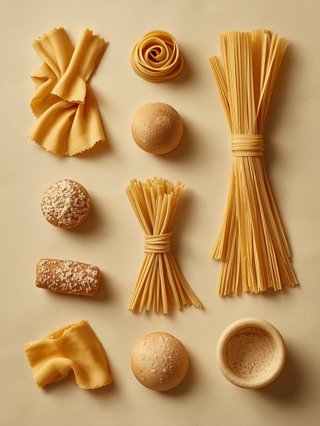
Pasta stands as the undisputed cornerstone of Italian culinary tradition, celebrated globally for its versatility and rich heritage. Italy boasts over 300 distinct pasta shapes, each with its own unique history and designed to harmonize with specific sauces. The artful pairing of pasta geometry with sauce viscosity is considered a culinary masterpiece. This comprehensive guide explores 20 iconic Italian pasta varieties, their regional culinary applications, and their nutritional profiles.
Classic Long Pasta: Spaghetti, Bucatini, Linguine, Tagliatelle, and Pappardelle
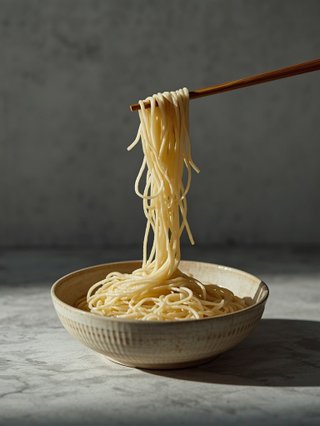
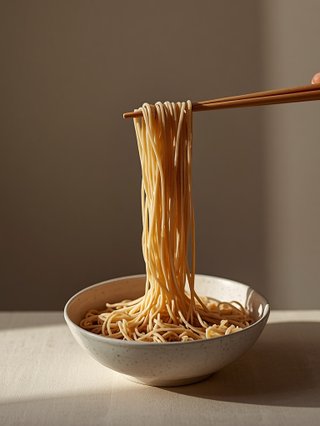
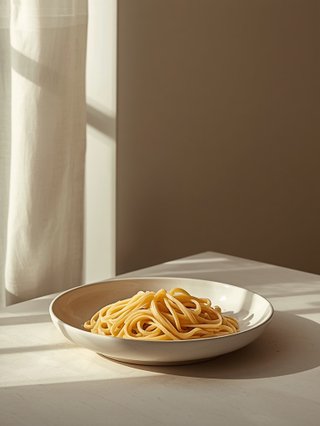
Long pasta shapes epitomize Italian culinary tradition and elegance. Spaghetti: the globally renowned cylindrical strands of medium thickness, ideal for classic oil-based sauces like Aglio e Olio and fresh tomato pomodoro. Bucatini: their distinctive central hollow channels perfectly trap rich Roman sauces such as Amatriciana or Cacio e Pepe. Linguine: flat ribbon strands that pair beautifully with seafood and traditional Pesto Genovese. Tagliatelle: the iconic egg-based ribbon noodles from Emilia-Romagna, traditionally served with Ragù alla Bolognese. Pappardelle: the broadest ribbon noodles, specifically designed to complement robust game and wild mushroom sauces.
Popular Short and Tube Shapes: Penne, Rigatoni, Fusilli, Farfalle, and Orecchiette
Short textured shapes excel at capturing and holding sauces. Penne rigate: diagonally cut ridged tubes that trap fiery tomato Arrabbiata sauces within their hollows. Rigatoni: wide, striated cylinders built for baked pasta dishes and rich meat reductions. Fusilli: three-dimensional corkscrews that effortlessly bind herb emulsions, vegetable sauces, and cold pasta salads. Farfalle: bow-tie shapes with tender edges, ideal for creamy salmon or pea-based sauces. Orecchiette: Apulian 'little ears' whose concave domes cradle braised turnip greens and anchovies.
Stuffed and Baked Pasta: Lasagne, Cannelloni, Ravioli, Tortellini, and Conchiglie
Stuffed and baked pasta formats epitomize Italian festive cuisine. Lasagne: layered sheets of pasta with béchamel sauce, slow-simmered meat ragù, and grated Parmigiano, baked until golden. Cannelloni: large cylindrical tubes stuffed with ricotta-spinach or seasoned ground meat, perfect for baked dishes. Ravioli: square parcels filled with pumpkin, mushrooms, or ricotta, traditionally served with browned butter and crispy sage. Tortellini: delicate folded dumplings from Bologna, stuffed with prosciutto and mortadella, traditionally served in clear capon broth. Conchiglioni: oversized seashell-shaped pasta, ideal for baked cheese preparations.
Regional and Soup Formats: Orzo, Ditalini, Capellini, Paccheri, and Garganelli
Regional diversity enriches the pasta landscape with specialized formats for soups and unique dishes. Orzo (Risoni): grain-shaped pasta mimicking rice kernels, versatile in soups, salads, and pilaf-style dishes. Ditalini: thimble-sized hollow cuts essential for hearty minestrone and rustic Pasta e Fagioli. Capellini ('angel hair'): ultrafine delicate strands that cook in two minutes, suited for delicate clear broths. Paccheri: massive Neapolitan tubes crafted to pair with calamari and tomato seafood ragù. Garganelli: artisanal egg-pasta tubes formed by rolling ridged squares around wooden dowels, a specialty of the Romagna region.
Nutritional Value: Durum Wheat Semolina, Glycemic Index, and the Art of Al Dente Cooking
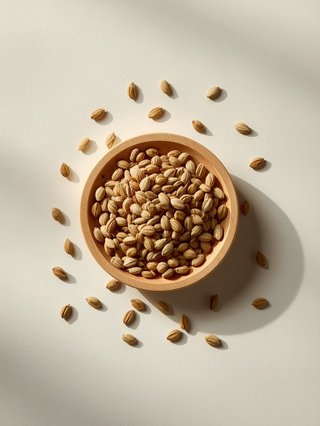
Authentic dried Italian pasta is crafted solely from durum wheat semolina (Triticum durum) and water. The unique crystalline structure of durum wheat traps starch granules, resulting in a slow release during digestion and a low glycemic index (GI 40–45). Cooking pasta al dente preserves this slow-release mechanism, preventing postprandial blood sugar spikes. Durum wheat pasta provides complex carbohydrates, plant-based protein, dietary fiber, and essential nutrients such as B vitamins (thiamine, riboflavin, niacin), iron, magnesium, and zinc. This combination makes it a balanced and satisfying meal.
Want to apply these guidelines in your daily diet?
Our smart diet generator creates a tailored meal plan in 3 minutes based on the recommendations in this article.

mgr Felix Weber
Diets Premium Expert
Diets Premium team expert. Specializes in nutrition plans, strength sports, and training plans.