4 min read

Digestive Tract: Structure of the Esophagus and Intestines, Functions, Most Common Issues, Treatment Methods
Digestive Tract: Structure of the Esophagus and Intestines, Functions, Most Common Issues, Treatment Methods
1 photo
786
Smart Voice AI
0:00
0:00
Listen to the article content live
Table of Contents 3
The digestive tract is one of the most critical and complex systems in the human body, responsible not only for nutrient digestion and absorption but also for immunological homeostasis and metabolism. Understanding the architecture of the esophagus, stomach, and intestines, alongside the mechanisms underlying common gastrointestinal disorders, is essential for effective prevention and clinical management.
01 / 03

Anatomical and physiological overview of the intestinal tract: structure, functions, and metabolic roles

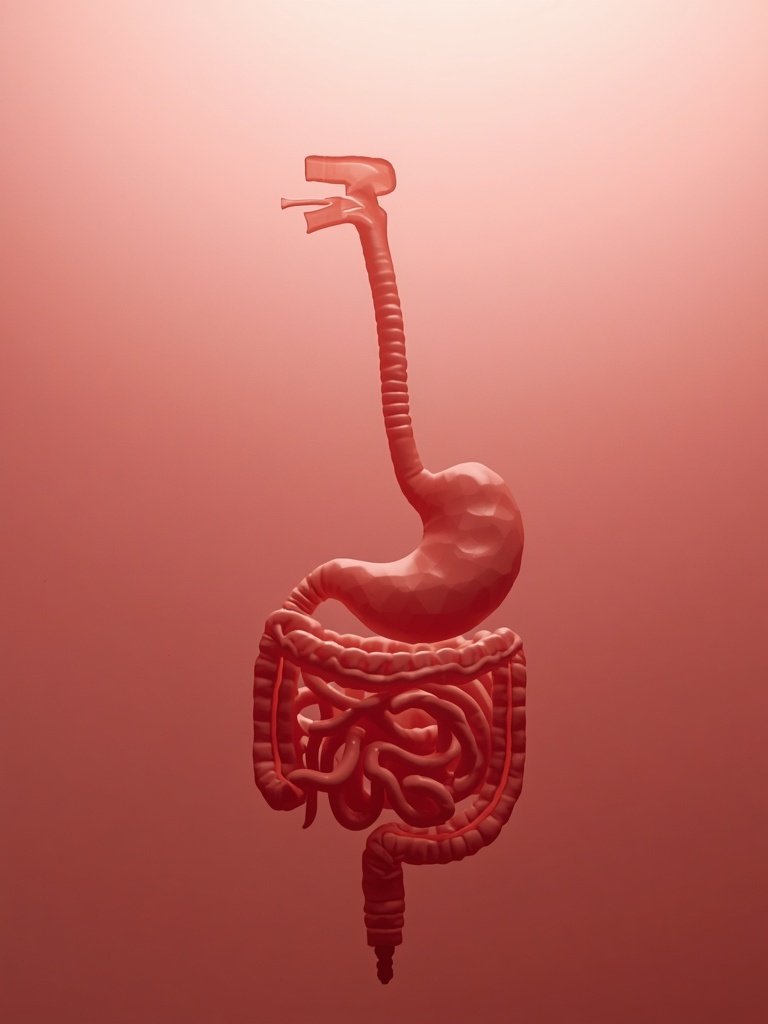
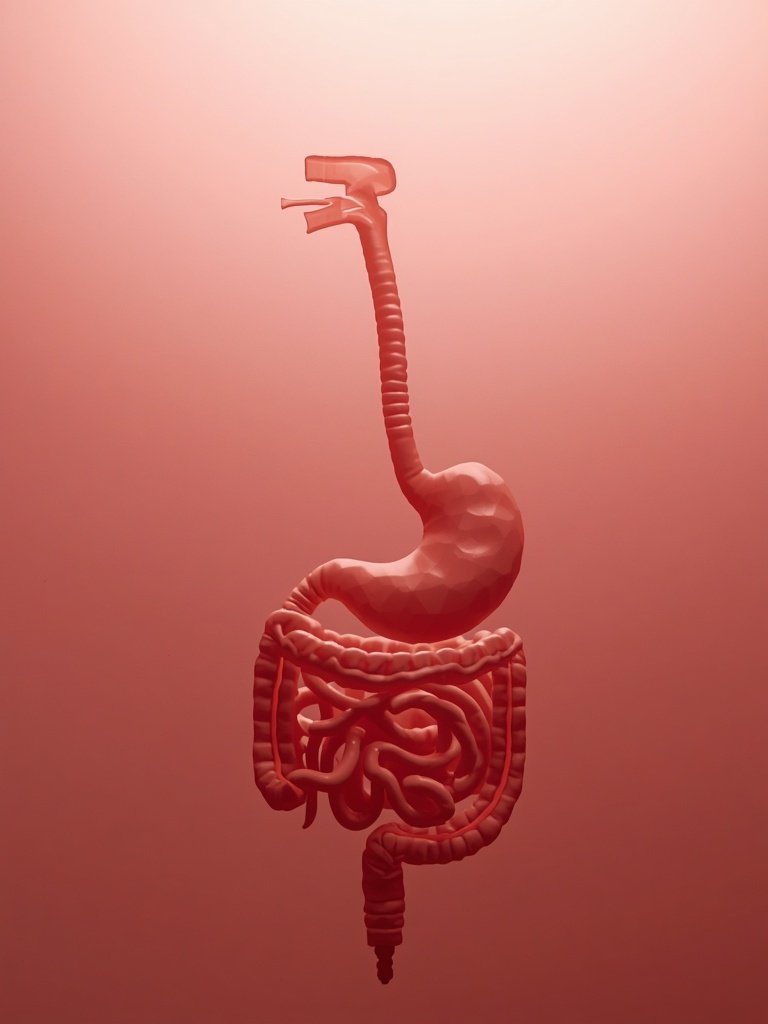
The intestinal tract is broadly categorized into two primary segments: the small intestine and the large intestine, with the former extending approximately 2.8 meters in total length, including the duodenum—named for its 20-centimeter span. This section of the digestive system is densely innervated and vascularized, facilitating highly efficient absorption of nutrients, electrolytes, and water. The intestines serve as a central hub for processing and assimilating macronutrients and minerals, as well as reabsorbing water to maintain the body’s hydroelectrolytic balance. Propelled by peristalsis—rhythmic, involuntary contractions of the intestinal musculature—digested contents are systematically advanced toward the distal segments. The small intestine commences immediately beyond the stomach at the duodenal orifice, marking the initial phase of intensive nutrient uptake, which is essential for energy provision, tissue construction, and cellular synthesis. Within the intestinal lumen, a dynamic microbiological homeostasis prevails, characterized by a balanced bacterial flora that not only aids in the elimination of undigested residues but also contributes to the synthesis of certain vitamins (e.g., vitamin K and B-complex vitamins). However, under pathological conditions, the intestines may become a conduit for pathogen dissemination via the lymphatic system. Absorption is primarily mediated by intestinal villi—microscopic, finger-like projections of the mucosal lining that vastly expand the absorptive surface area. Additionally, the intestines produce digestive enzymes such as amylase, lipase, and proteases, which complete the breakdown of carbohydrates, lipids, and proteins. An improper diet rich in ultra-processed foods, artificial additives (preservatives, colorants), gluten, or imbalanced fiber intake (whether excessive or deficient) can compromise intestinal mucosal integrity, impair barrier function, and precipitate malnutrition.
02 / 03

The intestines are the causes and symptoms of the problem

When the intestines suffer from pathology, the entire organism experiences the systemic repercussions. Initially, symptoms can be subtle and highly nonspecific, often masking their direct link to gastrointestinal dysfunction. Clinical manifestations typically encompass generalized physical asthenia, chronic fatigue, facial pallor, persistent abdominal bloating, flatulence, unpredictable bowel habits ranging from diarrhea to severe constipation, and diffuse abdominal cramping. Moreover, compromised intestinal barrier integrity ('leaky gut') allows bacterial endotoxins (such as lipopolysaccharides) to enter the bloodstream, instigating low-grade systemic inflammation. This neuro-immune axis perturbation frequently manifests as cognitive impairment ('brain fog'), reduced stress tolerance, dermatological lesions (eczema, acne), and immune dysregulation. Damaging dietary habits, ultra-processed foods, chronic NSAID overuse, and untreated dysbiosis gradually degrade the intestinal mucosal microvilli. If unaddressed over years, this progressive villous blunting and mucosal atrophy can become exceptionally difficult to reverse, necessitating rigorous therapeutic elimination protocols that profoundly impact patient quality of life.
03 / 03

Gut optimization: Regenerative strategies and microbiome support

Enhancing intestinal function necessitates a comprehensive overhaul of existing dietary habits, with a focus on eliminating components that disrupt microbial balance and replacing them with evidence-based, health-promoting alternatives. A structured approach to gut restoration and support includes: the incorporation of probiotic strains (a minimum of four distinct bacterial cultures) alongside prebiotics—compounds that foster the growth of beneficial microbiota, such as fermented vegetables, kombucha, and traditionally lacto-fermented foods. Equally critical is the exclusion of synthetic food additives (preservatives, artificial colorants, stabilizers) and sugar-sweetened beverages, including diet sodas. Daily sugar intake should be capped at approximately 50 g, with viable substitutes including unrefined cane sugar, xylitol, erythritol, Ceylon cinnamon, or stevia. Stress mitigation is paramount, as prolonged stress exacerbates intestinal permeability (*leaky gut syndrome*), facilitating the translocation of pathogens into the bloodstream. Identifying food intolerances (e.g., gluten, dairy, eggs) via laboratory testing or elimination diets constitutes another cornerstone of intervention. Intermittent one-day cleansing protocols (vegetable juices, electrolyte-rich fluids) and thorough mastication enhance digestive efficiency. Physical activity must be balanced—both excessive exertion and sedentary behavior impair gut motility. An optimal fiber intake (25–40 g/day) prevents constipation, though excessive amounts may impede nutrient absorption and delay mucosal repair. Supplemental support (triphala, B-complex vitamins, vitamin D3, omega-3 fatty acids, bovine colostrum) and periodic screenings for parasites and polyps complement this integrative strategy. Homemade preparations such as apple cider vinegar, fermented vegetables, and kombucha significantly enhance microbial diversity. The gut serves as the body’s energetic, immune, and absorptive hub—its proper functioning underpins systemic well-being.
Meal Plan

Want to apply these guidelines in your daily diet?

Our smart diet generator creates a tailored meal plan in 3 minutes based on the recommendations in this article.

Literatura:
B. Mark Evers, Chirurgia Sabiston, „Jelito Cienkie”, Tom 4, s. 165-189, 2013
P. Pitchford, „Odżywianie dla Zdrowia”, wyd. Galaktyka, 2008
Scientifically reviewed by a clinical dietitian • 23.10.2026

Literatura: B. Mark Evers, Chirurgia Sabiston, „Jelito Cienkie”, Tom 4, s. 165-189, 2013 P. Pitchford, „Odżywianie dla Zdrowia”, wyd. Galaktyka, 2008

Diets Premium Expert

Diets Premium team expert. Specializes in nutrition plans, strength sports, and training plans.

USDA FoodData Central EFSA PubMed Clinical Guidelines
Loading
Recommended articles in this category


Related Articles

Discover similar publications and expert insights.

Coconut Chips and Flakes – Health Properties, Nutrition, and Calories
Nutritional Values

Coconut Chips and Flakes – Health Properties, Nutrition, and Calories

⏱ 3 min czytania
#Nutritional Values #Sweet Treats
Facts and Legends Surrounding Magnesium
Nutrition

Facts and Legends Surrounding Magnesium

⏱ 5 min czytania
#Nutrition #Skin Health
Beef - cuts, nutritional values, recipes... is beef healthy?
Nutritional Values

Beef - cuts, nutritional values, recipes... is beef healthy?

⏱ 5 min czytania
#Nutritional Values #Nutrition Facts
Nutritional values of herring, their distinctive properties, and recipe instructions
Nutritional Information

Nutritional values of herring, their distinctive properties, and recipe instructions

⏱ 5 min czytania
#Nutritional Information #Nutritional Properties
Grape juice: characteristics and nutritional contents
Nutritional Benefits Of Fruits

Grape juice: characteristics and nutritional contents

⏱ 5 min czytania
#Nutritional Benefits Of Fruits #Nutritional Benefits Of Grapes
Anise – Properties, Uses and Interesting Facts
Nutrition Facts

Anise – Properties, Uses and Interesting Facts

⏱ 2 min czytania
#Nutrition Facts #Condiments
Plant Sprouts – Types, Uses, Nutritional Benefits, and Health Gains from Consumption
Nutritional Benefits

Plant Sprouts – Types, Uses, Nutritional Benefits, and Health Gains from Consumption

⏱ 3 min czytania
#Nutritional Benefits #Nutritional Values
White Chocolate Product – Composition, Nutritional Value and Impact on Diet
Nutritional Value

White Chocolate Product – Composition, Nutritional Value and Impact on Diet

⏱ 3 min czytania
#Nutritional Value #Nutrition
Eggplant – Nutritional Value, Recipes. How to Prepare Eggplant?
Nutritional Value

Eggplant – Nutritional Value, Recipes. How to Prepare Eggplant?

⏱ 5 min czytania
#Nutritional Value #Baking
What Are the Characteristics of Black Elderberry? Syrups, Juices, and Liqueurs Made from Black Elderberry
Nutrition Facts

What Are the Characteristics of Black Elderberry? Syrups, Juices, and Liqueurs Made from Black Elderberry

⏱ 3 min czytania
#Nutrition Facts
What Dishes Can Be Prepared with Melon? Which Varieties Exist and What Are Their Nutritional Values?
Nutritional Values

What Dishes Can Be Prepared with Melon? Which Varieties Exist and What Are Their Nutritional Values?

⏱ 4 min czytania
#Nutritional Values #Nutrition Facts
Autumn Upper Respiratory Tract Conditions – Prevention Methods
Nutrition Facts

Autumn Upper Respiratory Tract Conditions – Prevention Methods

⏱ 5 min czytania
#Nutrition Facts
Johimbin – Effects, Side Effects, and Action
Nutrition Facts

Johimbin – Effects, Side Effects, and Action

⏱ 6 min czytania
#Nutrition Facts
Karoshi: Symptoms and Consequences of Chronic Overwork
Nutrition Facts

Karoshi: Symptoms and Consequences of Chronic Overwork

⏱ 6 min czytania
#Nutrition Facts
Water Ionization – Meaning and Health Effects
Nutrition Facts

Water Ionization – Meaning and Health Effects

⏱ 3 min czytania
#Nutrition Facts
Millet Porridge – Nutritional Values, Drawbacks, Uses, and Recipes
Balanced Diet On The Go

Millet Porridge – Nutritional Values, Drawbacks, Uses, and Recipes

⏱ 4 min czytania
#Balanced Diet On The Go #Nutritional Values
Edible Horse Chestnuts – Characteristics, Nutritional Values and Recipes
Nutritional Values

Edible Horse Chestnuts – Characteristics, Nutritional Values and Recipes

⏱ 4 min czytania
#Nutritional Values #Nutrition Facts
Do I Really Support the New Ecological Trend – or Is It a New Lifestyle?
Nutrition Facts

Do I Really Support the New Ecological Trend – or Is It a New Lifestyle?

⏱ 3 min czytania
#Nutrition Facts
Sunflower Sprouts – Cultivation and Nutritional Values
Nutritional Values

Sunflower Sprouts – Cultivation and Nutritional Values

⏱ 3 min czytania
#Nutritional Values #Nutrition Facts
How to Effectively Reduce Weight After 50: Diet Plan and Recipes
Nutrition Facts

How to Effectively Reduce Weight After 50: Diet Plan and Recipes

⏱ 5 min czytania
#Nutrition Facts
Star Fruit – Effects, Nutritional Value, and Uses
Nutritional Value Of Fruits

Star Fruit – Effects, Nutritional Value, and Uses

⏱ 3 min czytania
#Nutritional Value Of Fruits #Nutritional Value Of Food
Beans – Properties, Nutritional Value, Recipes… How to Cook Beans?
Nutritional Value

Beans – Properties, Nutritional Value, Recipes… How to Cook Beans?

⏱ 6 min czytania
#Nutritional Value #Beans
Stevia - properties, nutritional values, and utilization
Natural Sweetener

Stevia - properties, nutritional values, and utilization

⏱ 3 min czytania
#Natural Sweetener #Nutritional Values
White sugar compared to brown sugar... Evaluating their nutrient profiles and health impacts
Nutritional Values

White sugar compared to brown sugar... Evaluating their nutrient profiles and health impacts

⏱ 2 min czytania
#Nutritional Values #Nutrition Facts
Dorada – Nutritional Value & Recipes
Nutrition

Dorada – Nutritional Value & Recipes

⏱ 6 min czytania 📚 Nutrition
#Nutritional Values #Nutritional Value
Game Meat – Nutritional Values, Uses, and Consumption Limitations
Nutrition

Game Meat – Nutritional Values, Uses, and Consumption Limitations

⏱ 4 min czytania 📚 Nutrition
#Nutritional Values #Health Benefits
Melons: an exploration of cultivars, distinctive traits, nutrient profile, and culinary applications
Food & Ingredients

Melons: an exploration of cultivars, distinctive traits, nutrient profile, and culinary applications

⏱ 4 min czytania 📚 Food & Ingredients
#Nutritional Values #Nutrition Facts
Chia (*Salvia hispanica*): Caloric Density, Phytochemistry, and Culinary Thermodynamics
Nutritional Composition

Chia (*Salvia hispanica*): Caloric Density, Phytochemistry, and Culinary Thermodynamics

⏱ 4 min czytania
#Nutritional Composition #Health Benefits
Fermented sour pickles: Nutritional benefits, vitamin profile, and the secrets to an authentic homemade recipe
Lactic Acid Fermentation

Fermented sour pickles: Nutritional benefits, vitamin profile, and the secrets to an authentic homemade recipe

⏱ 3 min czytania
#Lactic Acid Fermentation #Nutritional Benefits
Red onions – nutritional value, recipes... can you sauté red onions?
Nutritional Values

Red onions – nutritional value, recipes... can you sauté red onions?

⏱ 4 min czytania
#Nutritional Values #Nutritional Value
For Trainees

Latest Diets

Discover other diet plans with similar goals and nutrients.

Share