PRO 8 min read

Dietary Treatment for Insulin Resistance
Dietary Treatment for Insulin Resistance
1 photo
2153

Smart Voice

AI
0:00
0:00
Listen to the article content live
Table of Contents 10
Key Takeaways
Welcome to the world of healthy eating! In this article, you'll learn about the importance of consuming a variety of foods and avoiding eating just a few favorite dishes. This will significantly improve your health and help you maintain an optimal body weight. Why? Because a variety of nourishing foods provides the body with a wide range of nutrients, such as vitamins, minerals, proteins, and carbohydrates. Research suggests that expanding your dietary preferences can help reduce the risk of heart disease, diabetes, and obesity. For example, instead of your favorite dessert, you can try different fruits and vegetables to effortlessly satisfy your sweet cravings. Remember, it's all about balance and incorporating a variety of foods into your diet.
PRO Content PRO

This article is professional premium content (PRO) provided in its entirety.

Insulin resistance is one of the major health problems in the modern world. It affects 25 to 35% of the population in Western countries (M. Mirabelli et al. 2020). If left untreated, it can lead to many metabolic disorders, including type 2 diabetes, cardiovascular disease, and even infertility. A carefully designed diet can help reduce the risk of developing insulin resistance and its exacerbation. What is insulin resistance? What should the diet look like in case of insulin resistance?
01 / 10

What is insulin resistance?

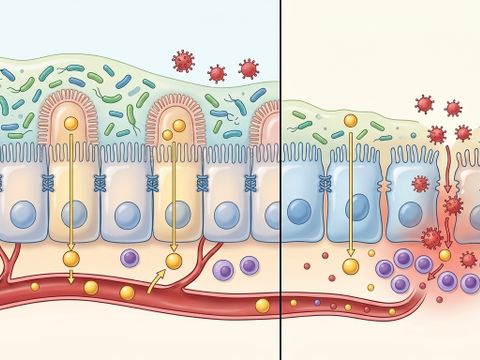
Insulin resistance (IO) is a state in which the body's cells exhibit a reduced sensitivity to insulin, resulting in elevated blood glucose levels despite normal or elevated insulin levels. There are two forms of insulin resistance: hepatic and muscular. Insulin is a hormone produced by the beta cells of the pancreas in response to food intake. Its primary function is to regulate blood glucose levels by introducing glucose into cells via insulin receptors. In the case of insulin resistance, cells do not respond to insulin, leading to a continuous rise in blood glucose levels and an inability to utilize it as an energy source. Consequently, the pancreas produces increasingly more insulin, exacerbating the cells' resistance to this hormone. An excess of insulin can lead to the development of overweight, obesity, non-alcoholic fatty liver disease, hypertension, lipid disorders, and infertility (Mirabelli et al., 2020).
02 / 10

Insulin resistance is the cause

The causes of insulin resistance are not entirely known. Some of the causes are genetic. Among the factors that increase the risk of developing this disorder are: excessive calorie intake, lack of physical activity, increased amount of fat tissue within the abdomen (so-called visceral fat), chronic emotional stress, body aging. Visceral fat accumulates around internal organs and releases excess fatty acids.
03 / 10

Insulin independence - Symptoms may manifest themselves

Insulin resistance may be asymptomatic for a certain period, however, over time, symptoms indicating problems begin to appear: - weight gain, - drowsiness following meals, - mood fluctuations, - irritability, - memory and concentration issues, - darkened skin thickening (skin changes most commonly occurring around the elbows and neck), - chronic fatigue, - hunger pangs around 2-3 hours post-meal, - sensation of cold, - heightened cravings for sweets, - complications in shedding pounds.
04 / 10

Insulin insensitivity - the diagnosis

In order to diagnose insulin insensitivity, the following tests should be carried out: - fasting glucose and insulin levels; - OGTT test, which involves determining fasting glucose and insulin levels, one hour and two hours after ingestion of 75 g of glucose solution. The results of these tests allow for the calculation of the HOMA-IR index, which is the ratio of fasting glucose and insulin levels. A HOMA-IR index of over 2.0-2.5 indicates insulin insensitivity.
05 / 10

Nutritional therapy for insulin resistance

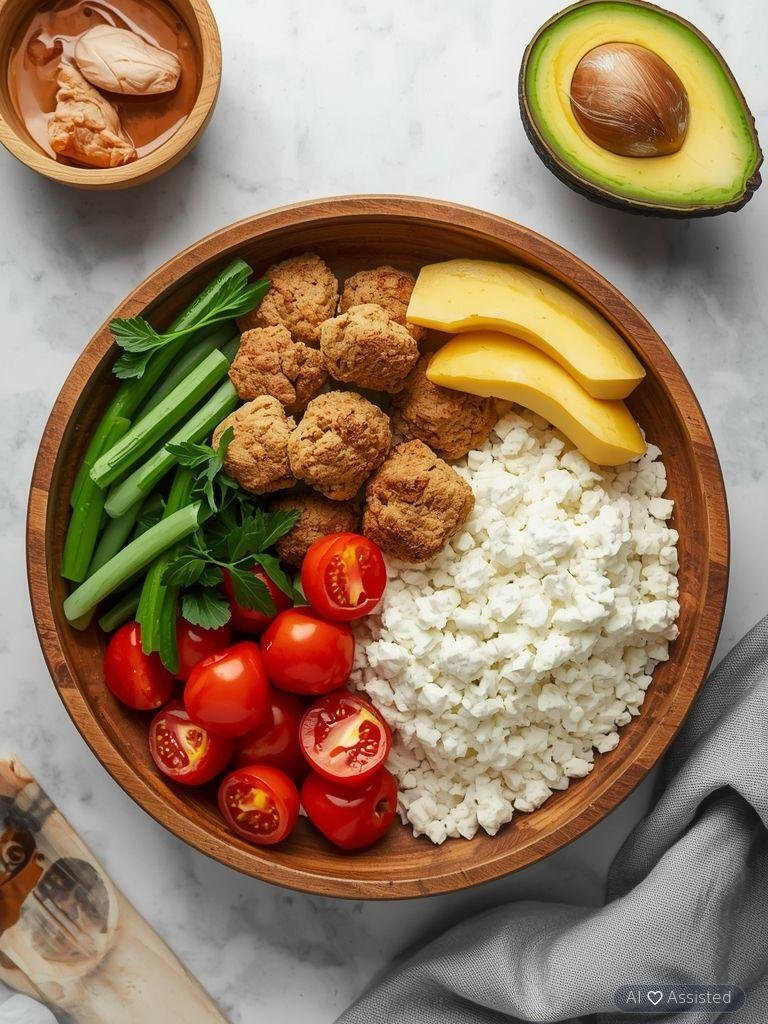
A healthy lifestyle, including a well-balanced diet, is essential in treating insulin resistance. Dietary recommendations for insulin resistant people are: reduction in calorie intake. On the one hand, people with insulin tolerance very often struggle with excess body weight. on the other hand, being overweight or obese contributes to the development of insulin resistance. Weight loss lowers the level of free fatty acids and increases the sensitivity of cells to insulin (T. McLaughlin et al. 2019). People with insulin resistance are advised to reduce their body weight and start a low-calorie diet. The calorie deficit should be determined individually, so that body weight decreases slowly and steadily (0.5 to 1 kg per week). reduction in the number of meals to 3-4 per day; provision of a larger amount of energy in the first half of the day; avoidance of snacks between meals. Insulin is produced in response to the meal and the rise in blood sugar levels. It is not only responsible for the distribution of glucose to the cells, but also stimulates the synthesis of fats. In the breaks between meals, the insulin level in the blood drops, making it possible to break down excess fat; daily intake of a large amount of vegetables. Vegetables contain polyphenols that reduce blood sugar levels and increase the sensitivity of cells to insulin; restriction of fruit intake to 1 portion per day; daily intake of at least 25 g of dietary fiber. Dietary fiber is found in whole grain products (millet, rice, pasta), vegetables, and fruits. limitation of dairy products to 1-2 portions per day; reduction in the intake of saturated fatty acids and trans fats; restriction of red meat intake – high intake of animal protein aggravates insulin resistance, while plant protein increases the sensitivity of cells to insulin (M. M. Adeva-Andany et al. 2019). complete elimination of sweetened beverages and sweets from the diet; limitation of salt intake to 5-6 g per day; proper composition of meals that should contain carbohydrates, proteins, and fats; supplementation of vitamin D and vitamin B12 in people taking metformin; limitation of alcohol consumption to 20 g of pure ethanol per day for women and 30 g of pure ethanol per day for men. Recommended dietary patterns for people with insulin resistance are dietary treatment with a low glycemic index, the Mediterranean diet, and the DASH diet.
06 / 10

A diet based on products with a low glycemic index

The glycemic index (GI) determines the rate of increase in blood glucose after ingestion of a food containing 50 g of digestible carbohydrates, as a percentage, compared to the increase in glucose levels after ingesting 50 g pure glucose. Based on the glycemic index, products are categorized as: products with a low IG < 55%, products with a medium IG of 55-69%, products with a high IG > 70%. Products with a low IG cause a slow increase in blood glucose levels and a small insulin response, leading to a longer-lasting feeling of satiety. Products with a high IG are quickly digested and absorbed in the digestive tract, leading to a rapid increase in blood glucose levels and a large insulin response, which results in inhibition of fat breakdown.
07 / 10

Glycemic index of selected food items (A.. Jeznach-Steinhagen 2020)

White bread 75, Rye bread 64, Buckwheat 45, Couscous 65, Oat flakes 55, White rice 64, Beetroot 64, Carrot cooked 47, Carrot raw 16, Apple 38, Watermelon 72, Kiwi 53, Strawberries 40, Apricots 57, Chickpeas 28, Cooked chickpeas 22, Doughnut 76, White chocolate 40. Factors affecting IG: fineness (the finer the product, the higher the IG), heat treatment (the longer it is heated, the higher the IG), storage conditions (products stored at low temperatures have a lower IG), protein content (the more protein contained in the food, the lower the IG), fat content (the addition of fat reduces the IG of the food), fiber content (the more fiber a product contains, the lower the IG), anti-nutrients in the product (e.g. Phytic acid, oxalic acid) reduce the IG, fermentation and acidification lower the IG of products, ripeness (the riper the fruit, the higher the IG).
08 / 10

The Mediterranean Dietary Pattern

The Mediterranean dietary pattern contributes to a decrease in body weight and waist circumference index, which leads to a reduction in insulin secretion and HOMA-IR index (K. D. Gołąbek, B. Regulska-Ilow 2019). This diet is characterized by a high consumption of vegetables and fruits, dried seeds of leguminous plants, whole grain cereals, olive oil, and nuts while limiting the intake of meat, fish, eggs, and dairy products. The restriction of animal-derived products means that the Mediterranean dietary pattern is low in saturated fats but rich in valuable components such as vitamins, minerals, polyphenols, and essential unsaturated fatty acids. Polyphenols have a positive impact on the insulin sensitivity of cells, the reduction of oxidative stress, and the reduction of inflammation. They are present in vegetables and fruits. The more intense the color of the vegetable or fruit, the more polyphenolic compounds it contains. (M. Mirabelli et al. 2020).
09 / 10

The DASH Dietetic Regimen

The DASH Dietetic Regimen is also beneficial for insulin resistance. It leads to a substantial improvement in the sensitivity of cells to insulin. However, it necessitates combining with an appropriate caloric deficit and consistent physical effort. The DASH Dietetic Regimen involves a high intake of vegetables, fruits, whole grain products, fish, poultry, nuts, and low-fat dairy products. Red meat, eggs, sweets, and sugary beverages are limited.
10 / 10

Insulin unresponsiveness and participation in physical activity

The diet should be combined with participation in physical activity (minimum 150 minutes per week). Regular involvement in exercise has a positive effect on weight loss and enhances the sensitivity of cells to insulin. It is recommended to start an aerobic (oxygen) activity with low or medium intensity. This can be walking, cycling, swimming, nordic walking, or dancing. It is important that the type of activity suits your preferences and health. Insulin unresponsiveness is a metabolic disorder in which changing the lifestyle is of utmost importance.
Meal Plan

Want to apply these guidelines in your daily diet?

Our smart diet generator creates a tailored meal plan in 3 minutes based on the recommendations in this article.

mgr Adeva-Andany M.M. et al., Effects of diet composition on insulin sensitivity in humans, „Clinical Nutrition ESPEN” 2019, 33, 29–38.
Gołąbek K.D., Regulska-Ilow B., Dietary support in insulin resistance: An overview of current scientific reports, „Advances in Clinical and Experimental Medicine” 2019, 28(11), 1577–1585.
Hinderliter A.L. et al., The DASH diet and insulin sensitivity, „Current Hypertension Reports” 2011, 13(1), 67–73.
Kahleova H. et al., Eating two larger meals a day (breakfast and lunch) is more effective than six smaller meals in a reduced-energy regimen for patients with type 2 diabetes: a randomised crossover study, „Diabetologia” 2014, 57(8), 1552–1560.
Kowalska H. et al., Wykorzystanie produktów prozdrowotnych i suplementów diety w insulinooporności, „Postępy Techniki Przetwórstwa Spożywczego” 2017, 2, 46–55.
McLaughlin T. et al., Dietary weight loss in insulin-resistant non-obese humans: Metabolic benefits and relationship to adipose cell size, „Nutrition, Metabolism, and Cardiovascular Diseases” 2019, 29(1), 62–68.
Mirabelli M. et al., Mediterranean Diet Nutrients to Turn the Tide against Insulin Resistance and Related Diseases, „Nutrients” 2020, 12(4), 1066.
Musiałowska D., Insulinooporność – zdrowa dieta i zdrowe życie, Łódź 2017.
O’Neill R., Murphy R., Endokrynologia, Wrocław 2019.
Suliburska J., Kuśnierek J., Czynniki żywieniowe i pozażywieniowe w rozwoju insulinooporności, „Forum Zaburzeń Metabolicznych” 2010, 1(3), 177–183.
Walicka M., Czerwińska E., Marcinowska-Suchowierska E., Cukrzyca – odrębności diagnostyczne i terapeutyczne u osób w wieku podeszłym, „Postępy Nauk Medycznych” 2011, 5, 372–378.
Waśkiewicz A., Indeks glikemiczny i ładunek glikemiczny – czym się różnią?, sercunaratunek.pl/indeks-glikemiczny-i-ladunek-glikemiczny-czym-sie-roznia/ (4.05.2021).
Żywienie osób z cukrzycą i chorobami towarzyszącymi, pod red. Jeznach-Steinhagen A., Warszawa 2020.
Scientifically reviewed by a clinical dietitian • 25.03.2026

mgr Adeva-Andany M.M. et al., Effects of diet composition on insulin sensitivity in humans, „Clinical Nutrition ESPEN” 2019, 33, 29–38. Gołąbek K.D., Regulska-Ilow B., Dietary support in insulin resistance: An overview of current scientific reports, „Advances in Clinical and Experimental Medicine” 2019, 28(11), 1577–1585. Hinderliter A.L. et al., The DASH diet and insulin sensitivity, „Current Hypertension Reports” 2011, 13(1), 67–73. Kahleova H. et al., Eating two larger meals a day (breakfast and lunch) is more effective than six smaller meals in a reduced-energy regimen for patients with type 2 diabetes: a randomised crossover study, „Diabetologia” 2014, 57(8), 1552–1560. Kowalska H. et al., Wykorzystanie produktów prozdrowotnych i suplementów diety w insulinooporności, „Postępy Techniki Przetwórstwa Spożywczego” 2017, 2, 46–55. McLaughlin T. et al., Dietary weight loss in insulin-resistant non-obese humans: Metabolic benefits and relationship to adipose cell size, „Nutrition, Metabolism, and Cardiovascular Diseases” 2019, 29(1), 62–68. Mirabelli M. et al., Mediterranean Diet Nutrients to Turn the Tide against Insulin Resistance and Related Diseases, „Nutrients” 2020, 12(4), 1066. Musiałowska D., Insulinooporność – zdrowa dieta i zdrowe życie, Łódź 2017. O’Neill R., Murphy R., Endokrynologia, Wrocław 2019. Suliburska J., Kuśnierek J., Czynniki żywieniowe i pozażywieniowe w rozwoju insulinooporności, „Forum Zaburzeń Metabolicznych” 2010, 1(3), 177–183. Walicka M., Czerwińska E., Marcinowska-Suchowierska E., Cukrzyca – odrębności diagnostyczne i terapeutyczne u osób w wieku podeszłym, „Postępy Nauk Medycznych” 2011, 5, 372–378. Waśkiewicz A., Indeks glikemiczny i ładunek glikemiczny – czym się różnią?, sercunaratunek.pl/indeks-glikemiczny-i-ladunek-glikemiczny-czym-sie-roznia/ (4.05.2021). Żywienie osób z cukrzycą i chorobami towarzyszącymi, pod red. Jeznach-Steinhagen A., Warszawa 2020.

Diets Premium Expert

Diets Premium team expert. Specializes in nutrition plans, strength sports, and training plans.

USDA FoodData Central EFSA PubMed Clinical Guidelines
Loading
Recommended articles in this category

Related Articles

Discover similar publications and expert insights.

Unexplored Dimensions of Healthy Meat Grilling: Evidence-Based Science for Safe, Nutrient-Preserving Culinary Barbecue
Grilling Techniques
Unexplored Dimensions of Healthy Meat Grilling: Evidence-Based Science for Safe, Nutrient-Preserving Culinary Barbecue
⏱ 1 min czytania
#Grilling Techniques #Nutritional Value
Sheep’s Milk Cheeses: Nutritional Architecture, Health Benefits, Bioactive Peptides, and Digestive Tolerance
Fat-Soluble Vitamins
Sheep’s Milk Cheeses: Nutritional Architecture, Health Benefits, Bioactive Peptides, and Digestive Tolerance
⏱ 3 min czytania
#Fat-soluble Vitamins #Bioactive Compounds
Mascarpone Cheese: Velvety Italian Delicacy, Culinary Heritage, Nutritional Profile, and Gastronomic Uses
Cream Cheese
Mascarpone Cheese: Velvety Italian Delicacy, Culinary Heritage, Nutritional Profile, and Gastronomic Uses
⏱ 2 min czytania
#Cream Cheese #Sweet Flavor
Durum Wheat (Triticum durum): Semolina Properties, Health Attributes, and Selection Criteria for Premium Pasta
Complex Carbohydrates
Durum Wheat (Triticum durum): Semolina Properties, Health Attributes, and Selection Criteria for Premium Pasta
⏱ 3 min czytania
#Complex Carbohydrates #Gluten Sensitivity
Whole Grain Flours in Practice: Wheat, Rye, Spelt, and Brown Rice – Nutritional Characteristics, Culinary Applications, and Health Benefits
Nutritional Benefits
Whole Grain Flours in Practice: Wheat, Rye, Spelt, and Brown Rice – Nutritional Characteristics, Culinary Applications, and Health Benefits
⏱ 3 min czytania
#Nutritional Benefits #Whole Grain Flour
Psychotherapy and Professional Mental Health Support: Navigating High-Quality Psychological and Psychiatric Care
Assistance
Psychotherapy and Professional Mental Health Support: Navigating High-Quality Psychological and Psychiatric Care
⏱ 5 min czytania
#Assistance #Mental
What to Eat in the Evening: Recommended vs. Forbidden Foods for Dinner – Optimal Nutrition for Sleep and Metabolism
Pregnancy & Motherhood
What to Eat in the Evening: Recommended vs. Forbidden Foods for Dinner – Optimal Nutrition for Sleep and Metabolism
⏱ 3 min czytania 📚 Pregnancy & Motherhood
#Metabolism #Breakfast
Quince Fruit Specialties: Beverages, Traditional Tinctures, Confitures, and Health Benefits
Maintenance
Quince Fruit Specialties: Beverages, Traditional Tinctures, Confitures, and Health Benefits
⏱ 10 min czytania
#Maintenance #Tart Flavor
Postpartum Psychosis: Clinical Recognition, Etiology, Diagnostic Signs, and Emergency Psychiatric Intervention
Pregnancy & Motherhood
Postpartum Psychosis: Clinical Recognition, Etiology, Diagnostic Signs, and Emergency Psychiatric Intervention
⏱ 3 min czytania 📚 Pregnancy & Motherhood
#Mental Health #Anxiety
Psychological Dimensions of Living with Obesity: Stigma, Self-Worth, and Pathways to Self-Compassion
Pregnancy & Motherhood
Psychological Dimensions of Living with Obesity: Stigma, Self-Worth, and Pathways to Self-Compassion
⏱ 3 min czytania 📚 Pregnancy & Motherhood
#Adipose Tissue #Obesity
Aromatic Culinary Herbs and Spices: Revolutionizing Flavor Profiles and Slashing Dietary Sodium
Metabolic Efficiency
Aromatic Culinary Herbs and Spices: Revolutionizing Flavor Profiles and Slashing Dietary Sodium
⏱ 5 min czytania
#Metabolic Efficiency #Herbs And Spices
Psychodietetics: The Crucial Role of Mindset in Long-Term Lifestyle and Body Transformation
Body Composition
Psychodietetics: The Crucial Role of Mindset in Long-Term Lifestyle and Body Transformation
⏱ 4 min czytania
#Body Composition #Psychodietetics
Dietary Factors and Foods that Impair Metabolic Rate: Scientific Evidence vs. Popular Myths
Metabolic Processes
Dietary Factors and Foods that Impair Metabolic Rate: Scientific Evidence vs. Popular Myths
⏱ 3 min czytania
#Metabolic Processes #Micronutrients
The Psychological Consequences of Restrictive Dieting: Mood Disorders, Caloric Obsession, and Neurobiological Adaptations
Dietary Patterns
The Psychological Consequences of Restrictive Dieting: Mood Disorders, Caloric Obsession, and Neurobiological Adaptations
⏱ 3 min czytania
#Dietary Patterns #Metabolic
Psychoactive Compounds with Remarkable Properties: The Psychedelic Renaissance in Modern Neuropsychiatry
Mental Health
Psychoactive Compounds with Remarkable Properties: The Psychedelic Renaissance in Modern Neuropsychiatry
⏱ 5 min czytania
#Mental Health #Schizophrenia
Leadership Character and Core Competencies in Team Governance: Organizational Resilience in Times of Transformation
Competitive
Leadership Character and Core Competencies in Team Governance: Organizational Resilience in Times of Transformation
⏱ 3 min czytania
#Competitive #Strategic
Psychodietetics: The Pivotal Role of Mindset in Sustainable Weight Loss and Body Transformation
Weight Management
Psychodietetics: The Pivotal Role of Mindset in Sustainable Weight Loss and Body Transformation
⏱ 4 min czytania
#Weight Management #Psychodietetics
Comprehensive Guide to Asparagus Preparation: Peeling Techniques, Optimal Cooking Methods, Freezing Protocols, and Serving Suggestions
Pregnancy & Motherhood
Comprehensive Guide to Asparagus Preparation: Peeling Techniques, Optimal Cooking Methods, Freezing Protocols, and Serving Suggestions
⏱ 5 min czytania 📚 Pregnancy & Motherhood
#Crisp Texture #Vegetable
Clinical Psychology: Comprehensive Guide to Evidence-Based Research, Diagnostics, and Professional Practice
Healthy Lifestyle
Clinical Psychology: Comprehensive Guide to Evidence-Based Research, Diagnostics, and Professional Practice
⏱ 2 min czytania
#Healthy Lifestyle
The Role of Herbs and Spices in Pediatric Nutrition: Beneficial, Safe, and Prohibited Flavorings
Children's Nutrition
The Role of Herbs and Spices in Pediatric Nutrition: Beneficial, Safe, and Prohibited Flavorings
⏱ 4 min czytania
#Children's Nutrition #Flavor Enhancers
Curry Spice Blend: Composition Analysis, Health Potential, Curcumin Mechanisms, and Culinary Applications
Health Benefits
Curry Spice Blend: Composition Analysis, Health Potential, Curcumin Mechanisms, and Culinary Applications
⏱ 4 min czytania
#Health Benefits #Curry Sauce
Rainbow Trout: Aquaculture Insights, Nutritional Profile, Omega-3 Fatty Acids, and Culinary Inspirations
Culinary Versatility
Rainbow Trout: Aquaculture Insights, Nutritional Profile, Omega-3 Fatty Acids, and Culinary Inspirations
⏱ 3 min czytania
#Culinary Versatility #Culinary Techniques
Psychodietetics: A Holistic Approach to Sustainable Habit Change and Harmonious Eating Relationships
Sustainable Weight Management
Psychodietetics: A Holistic Approach to Sustainable Habit Change and Harmonious Eating Relationships
⏱ 3 min czytania
#Sustainable Weight Management #Dietary Guidelines
The Psychological Foundations of Successful Weight Loss: Motivation, Habits, and Identity Transformation
Nutritional Guidelines

The Psychological Foundations of Successful Weight Loss: Motivation, Habits, and Identity Transformation
⏱ 5 min czytania
#Nutritional Guidelines #Dietary Habits

Why Can’t You Stop Overeating? The Psychological and Neurobiological Mechanisms of Compulsive Eating
Cake
Why Can’t You Stop Overeating? The Psychological and Neurobiological Mechanisms of Compulsive Eating
⏱ 5 min czytania
#Cake
Etiological Drivers of Constipation and Evidence-Based Non-Pharmacological Strategies: Diet, Fiber, and Lifestyle
Dietary Interventions
Etiological Drivers of Constipation and Evidence-Based Non-Pharmacological Strategies: Diet, Fiber, and Lifestyle
⏱ 3 min czytania
#Dietary Interventions #Insoluble Fiber
Chronic Pancreatitis: Clinical Manifestations, Medical Management, and Dietary Guidelines
Nutrition Recommendations
Chronic Pancreatitis: Clinical Manifestations, Medical Management, and Dietary Guidelines
⏱ 5 min czytania
#Nutrition Recommendations #Dietary Recommendations
Male Infertility: Etiological Factors, Diagnostic Modalities, Lifestyle Medicine, and Targeted Clinical Nutrition
Pregnancy & Motherhood
Male Infertility: Etiological Factors, Diagnostic Modalities, Lifestyle Medicine, and Targeted Clinical Nutrition
⏱ 4 min czytania 📚 Pregnancy & Motherhood
#Healthy Lifestyle #Pregnancy
Psychological and Behavioral Determinants of Overeating: From Emotional Hunger to Binge Eating Disorders
Appetite Regulation
Psychological and Behavioral Determinants of Overeating: From Emotional Hunger to Binge Eating Disorders
⏱ 3 min czytania
#Appetite Regulation #Appetite Control
Chronic Kidney Disease: Dietary Management and Clinical Therapeutic Meal Plan
Nutrition Recommendations
Chronic Kidney Disease: Dietary Management and Clinical Therapeutic Meal Plan
⏱ 5 min czytania
#Nutrition Recommendations #Dietary Recommendations
For Trainees

Latest Diets

Discover other diet plans with similar goals and nutrients.

Empower Your Body - A 4-Week, 1600 kcal High-Protein Plan for Healthy Transformation
Weight Loss / Fat Burn
Empower Your Body - A 4-Week, 1600 kcal High-Protein Plan for Healthy Transformation
20.35 zł / day · meal ~ 6.78 zł · Walmart 1600 kcal / dzień
Cel: Loose Weight • Weight Loss Diet
Step Up Your Life - A 4-Week, 1400 kcal High-Protein Slimming Plan
Weight Loss / Fat Burn
Step Up Your Life - A 4-Week, 1400 kcal High-Protein Slimming Plan
15.95 zł / day · meal ~ 3.99 zł · Walmart 1400 kcal / dzień
Cel: Loose Weight • Weight Loss Diet
Protein Shape – A 4-Week, 1600 kcal High-Protein Nutrition Plan for a Healthy Transformation and a Confident New Figure
Weight Loss / Fat Burn
Protein Shape – A 4-Week, 1600 kcal High-Protein Nutrition Plan for a Healthy Transformation and a Confident New Figure
18.25 zł / day · meal ~ 4.56 zł · Walmart 1600 kcal / dzień
Cel: Loose Weight • Weight Loss Diet
Shape & Power – A 4-Week, 1800 kcal Training and Nutrition Plan for a Strong, Lean Body
Weight Loss / Fat Burn
Shape & Power – A 4-Week, 1800 kcal Training and Nutrition Plan for a Strong, Lean Body
20.48 zł / day · meal ~ 5.03 zł · Walmart 1800 kcal / dzień
Cel: Loose Weight • Low-Carb Diet
Protein Power 4 - A 4-Week, 2200 kcal High-Protein Diet for Energy and Optimal Weight Loss
Weight Loss / Fat Burn
Protein Power 4 - A 4-Week, 2200 kcal High-Protein Diet for Energy and Optimal Weight Loss
23.44 zł / day · meal ~ 5.86 zł · Walmart 2200 kcal / dzień
Cel: Loose Weight • High-Protein Diet
Dream Shape - A 4-Week, 1800 kcal Weight Loss Plan for Lasting Change.
Weight Loss / Fat Burn
Dream Shape - A 4-Week, 1800 kcal Weight Loss Plan for Lasting Change.
22.16 zł / day · meal ~ 6.97 zł · Walmart 1800 kcal / dzień
Cel: Loose Weight • Weight Loss Diet
Energize Your Life - A 4-Week High-Protein Slimming Plan with 1500 kcal for Energy and Weight Reduction
Weight Loss / Fat Burn
Energize Your Life - A 4-Week High-Protein Slimming Plan with 1500 kcal for Energy and Weight Reduction
17.63 zł / day · meal ~ 4.41 zł · Walmart 1500 kcal / dzień
Cel: Loose Weight • Weight Loss Diet
Protein Balance – A Month-Long, 2000 kcal High-Protein Plan for Energy and Lasting Wellbeing
High Protein
Protein Balance – A Month-Long, 2000 kcal High-Protein Plan for Energy and Lasting Wellbeing
21.56 zł / day · meal ~ 5.39 zł · Walmart 2000 kcal / dzień
Cel: Loose Weight • High-Protein Diet
Slim Plan 28 - A 28-Day, 2000 kcal Weight Loss Plan for Optimal Results
Weight Loss / Fat Burn
Slim Plan 28 - A 28-Day, 2000 kcal Weight Loss Plan for Optimal Results
22.16 zł / day · meal ~ 6.97 zł · Walmart 2000 kcal / dzień
Cel: Loose Weight • Weight Loss Diet
Fit Body - A 4-Week, 1400 kcal Healthy Slimming Diet for Optimal Results
Weight Loss / Fat Burn
Fit Body - A 4-Week, 1400 kcal Healthy Slimming Diet for Optimal Results
18.12 zł / day · meal ~ 6.04 zł · Walmart 1400 kcal / dzień
Cel: Loose Weight • Weight Loss Diet
Express diet 1300 kcal - quick reduction in 4 weeks according to Sven
Weight Loss / Fat Burn
Express diet 1300 kcal - quick reduction in 4 weeks according to Sven
17.26 zł / day · meal ~ 5.75 zł · Walmart 1300 kcal / dzień
Weight Loss / Fat Burn • Weight Loss Diet
Ultra-Low Carb Adventure - A 4-Week, 1600 kcal Plan for a Lighter, Healthier You
Weight Loss / Fat Burn
Ultra-Low Carb Adventure - A 4-Week, 1600 kcal Plan for a Lighter, Healthier You
20.25 zł / day · meal ~ 4.97 zł · Walmart 1600 kcal / dzień
Weight Loss / Fat Burn • Low-Carb Diet
Sven's Plan - A 4-Week, 1500 kcal Slimming Program for Healthy Energy and Transformation
Weight Loss / Fat Burn
Sven's Plan - A 4-Week, 1500 kcal Slimming Program for Healthy Energy and Transformation
19.50 zł / day · meal ~ 6.50 zł · Walmart 1500 kcal / dzień
Weight Loss / Fat Burn • Weight Loss Diet
Express Shape – 1600 kcal Protein Nutrition Plan – 3 Weeks to a Healthier You
Weight Loss / Fat Burn
Express Shape – 1600 kcal Protein Nutrition Plan – 3 Weeks to a Healthier You
18.03 zł / day · meal ~ 4.51 zł · Walmart 1600 kcal / dzień
Cel: Loose Weight • Weight Loss Diet
Accelerated Transformation - a protein-rich plan with 1600 calories for 14 days
Weight Loss / Fat Burn
Accelerated Transformation - a protein-rich plan with 1600 calories for 14 days
18.77 zł / day · meal ~ 4.69 zł · Walmart 1600 kcal / dzień
Cel: Loose Weight • Weight Loss Diet
Revolutionize Your Body - A 7-Day Fast Protein Plan for Extraordinary Weight Loss
Weight Loss / Fat Burn
Revolutionize Your Body - A 7-Day Fast Protein Plan for Extraordinary Weight Loss
19.29 zł / day · meal ~ 4.82 zł · Walmart 1600 kcal / dzień
Cel: Loose Weight • Weight Loss Diet
3-day cleansing diet for 1700 kcal
Detox
3-day cleansing diet for 1700 kcal
17.28 zł / day · meal ~ 4.32 zł · Walmart 1700 kcal / dzień
Cel: Detox • Detox & Cleansing Diet
Reduction Pro – 28-Day, 1600 kcal Nutrition Plan for a Healthy and Confident Shape
Weight Loss / Fat Burn
Reduction Pro – 28-Day, 1600 kcal Nutrition Plan for a Healthy and Confident Shape
19.99 zł / day · meal ~ 5.00 zł · Walmart 1800 kcal / dzień
Cel: Loose Weight • Weight Loss Diet

Share