Dark vs Truly Whole-Grain Bread: Caramel Coloring Deceptions, Flour Types, Sourdough, and Contraindications
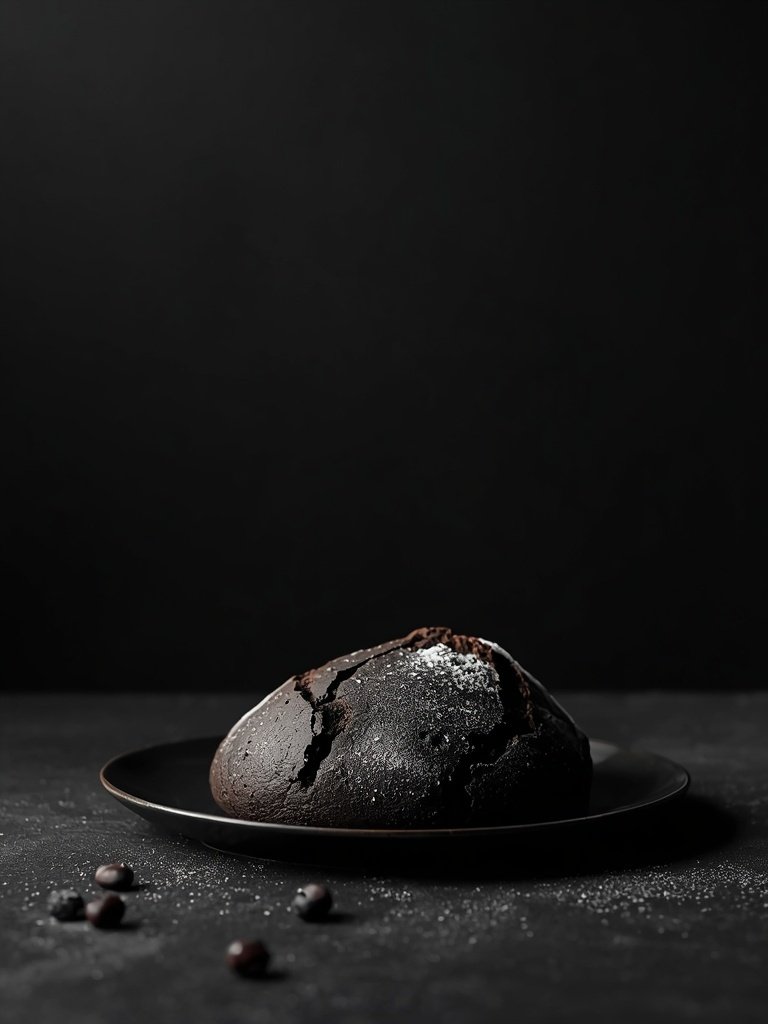
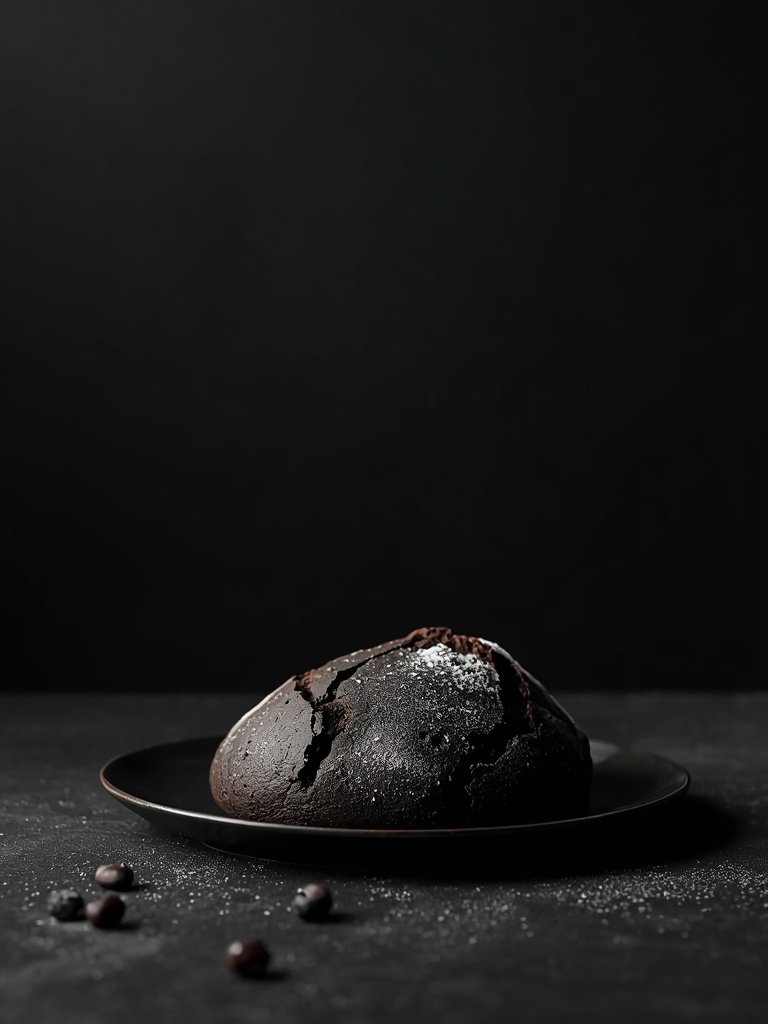
Table of Contents 5
Consumers routinely purchase deep-brown loaves under the mistaken assumption that dark pigmentation inherently denotes unrefined, nutrient-dense whole-grain bread. In industrial baking reality, dark coloration is frequently an engineered cosmetic deception achieved by tinting refined, bleached white flour with ammonia caramel (E150c), roasted barley malt extracts, or chicory syrups. Authentic whole-grain bread is milled exclusively from whole caryopses incorporating bran, germ, and endosperm (flour extraction types 1850–2000), ideally leavened via traditional lactobacillus sourdough that degrades anti-nutritive phytic acid. This consumer guide dissects label deception, sourdough biochemistry, and clinical gastrointestinal contraindications.
The Artificial Tinting Deception: Caramel (E150), Roasted Malt, and Chicory Coloring
Visual chromatic appearance provides zero assurance of nutritional integrity in modern retail baking:
- The 'Dark Means Healthy' Psychological Heuristic: Manufacturers exploit consumer heuristics by tinting cheap, rapidly digestible refined wheat flour (low-extraction Type 500/550 devoid of germ and bran) with dark coloring agents: ammonia caramel (E150c/d), roasted malt extract, or dark molasses.
- Physical Discriminators of Counterfeit Loaves: Colored refined bread exhibits uniform chocolate-brown pigmentation while retaining an unnaturally light, fluffy, highly aerated, spongy crumb structure identical to refined white sandwich bread. Genuine whole-grain loaves are heavy, dense, naturally greyish-brown, slightly damp, and studded with coarse visible bran fragments.
- Semantic Label Traps: Deceptive trade descriptors such as 'country loaf', 'multigrain' (merely white flour sprinkled with superficial surface seeds), or 'fitness bread'. By regulatory mandate, only loaves formulated with >90% whole-kernel meal qualify as genuine whole-grain (pełnoziarnisty).
Deconstructing Bread Labels: Flour Ash Extraction Types (Type 2000 vs 500) and Sourdough
Scientific label evaluation relies on ash grading and understanding microbiological leavening:
- Flour Ash Typology (Type 2000 vs Type 500): The commercial flour type number denotes residual mineral ash content following high-temperature incineration. Type 500 contains only 0.50% mineral ash, derived exclusively from refined endosperm. Whole-grain Type 2000 incorporates the intact caryopsis—bran, germ, and aleurone layer—supplying 2.0% mineral ash, threefold more dietary fiber, zinc, iron, and B-vitamins.
- Biochemical Superiority of Wild Sourdough: Authentic rye bread mandates lactic acid bacterial sourdough fermentation. Symbiotic lactobacilli drop dough pH to 3.8–4.3, activating endogenous grain phytases that hydrolyze inositol hexaphosphate (phytic acid), liberating sequestered iron, magnesium, and zinc for enterocyte absorption.
- The Fast-Yeasted Industrial Shortcut: Rapid baker's yeast fermentation (completed in 90 minutes) provides insufficient dwell time for phytate degradation, leaving mineral complexes locked and unabsorbable.
- The Minimalist Ingredient Standard: High-grade whole-grain bread contains four components: whole-grain flour, water, sourdough culture, and sea salt.
Clinical Contraindications: Active Inflammatory Bowel Flare-Ups, Post-Operative States, and Peptic Ulcers
While universally celebrated in chronic disease prevention, whole-grain bread is contraindicated during acute gastroenterological crises:
- Active Flares of Inflammatory Bowel Disease (IBD): During acute relapses of Crohn's disease or ulcerative colitis, insoluble coarse cellulose and lignin from whole-wheat bran mechanically irritate friable, denuded intestinal mucosa, exacerbating tenesmus, severe bleeding, and obstruction risks. Patients mandate immediate transition to refined white bread.
- Post-Surgical Abdominal Convalescence: Following gastrointestinal surgery or resection, a strict low-residue, easily digestible diet utilizing refined flour safeguards fresh anastomoses from physical shear stress and bowel distension.
- Severe Peptic Ulcers and Erosive Gastropathy: Traditional sourdough rye stimulates potent gastric acid hypersecretion via organic acids, aggravating denuded ulcers and triggering severe epigastralgia.
- Clinical Summary: Whole-grain bread is an incomparable preventative staple for cardiovascular and metabolic longevity, but acute gastrointestinal inflammation necessitates therapeutic temporary step-down to refined starches.
You want to be 100% sure what's in the bread you eat?
A recipe for healthy bread
Want to apply these guidelines in your daily diet?
Our smart diet generator creates a tailored meal plan in 3 minutes based on the recommendations in this article.
Tags

Kacper Nowak
Diets Premium Expert
Diets Premium team expert. Specializes in nutrition plans, strength sports, and training plans.