PRO 7 min read

Dairy and Respiratory Infections – Fact or Myth
Dairy and Respiratory Infections – Fact or Myth
1 photo
635

Smart Voice

AI
0:00
0:00
Listen to the article content live
Table of Contents 4
PRO Content PRO

This article is professional premium content (PRO) provided in its entirety.

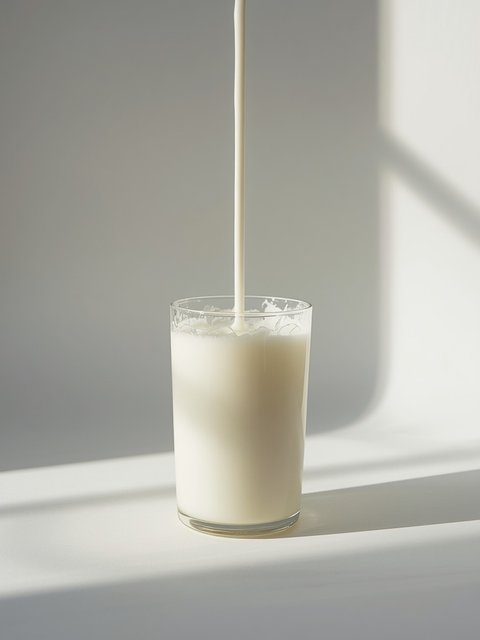
According to FAO data, global milk production is steadily increasing. Data from 2019 pointed to a more than three-fold increase in the last 30 years. Milk and dairy products (speaking of cow's milk) have been repeatedly tested and from various perspectives. WHO, as well as the creators of the Polish guidelines recommend the inclusion of dairy in the daily diet. Nevertheless, uncertainties, half-truths and puzzles about milk and dairy products in the context of their impact on infections, particularly those concerning the respiratory system, continue to circulate. It is time to prove what has a concrete basis in medical knowledge and what is a myth and should be clarified.
01 / 04

Dairy constituents: Nutritional and bioactive properties of milk-derived components

This discussion is strictly limited to conventional dairy products, excluding flavored variants, fruit-added preparations, sweetened milk beverages, or industrial desserts. Cow’s milk represents a rich source of complete protein with an optimal essential amino acid profile, alongside an array of bioactive metabolites and essential micronutrients—including calcium, phosphorus, potassium, zinc, and the B-vitamin complex. Fermented dairy items such as plain yogurt, kefir, and buttermilk provide live lactic acid bacterial cultures with documented probiotic effects, thereby enhancing gut microbiota composition, modulating immune system responsiveness, and potentially exerting beneficial influence on metabolic regulation (e.g., glycemic and lipid profiles). Peer-reviewed research (e.g., Fardet & Rock, 2018; Michael et al., 2020; Khare & Smriti, 2020) substantiates their preventive health applications.
02 / 04

Respiratory tract infections and dairy consumption: immunological protective mechanisms and inflammatory responses

A growing body of scientific evidence suggests that bioactive components in milk—particularly in its unprocessed form—may enhance the defense mechanisms of the upper and lower respiratory tracts against bacterial and viral pathogens. Raw cow’s milk demonstrates the strongest protective effects, whereas thermal processing (pasteurization, UHT) may compromise some of its beneficial properties. Research indicates that peptides, immunoglobulins (including IgG), and growth factors such as TGF-β modulate mucosal immune responses, reinforce the epithelial barrier, and regulate regulatory T lymphocyte (Treg) activity. Supplementation with colostrum or IgG-rich dairy preparations has been shown to reduce the frequency of respiratory infections and middle ear inflammation in children. Additionally, the "gut-lung axis" hypothesis proposes that bacterial metabolites—derived from undigested milk components like oligosaccharides—may influence pulmonary immunity. While these findings are promising, further investigation is needed to elucidate individual variability and inflammatory responses.
03 / 04

The scientific examination of dairy consumption and perceived excessive mucus secretion in the respiratory tract: debunking common misconceptions

Across numerous online platforms—particularly those frequented by parents of young children—there persists a widely held belief that dairy products, including cow’s milk and its derivatives, may trigger excessive mucus secretion within the upper respiratory tract, manifesting as persistent nasal congestion, chronic cough, or hoarseness. Such mucosal accumulations or nasal discharge are often misinterpreted as indicators of an active infection or as an environment conducive to microbial proliferation. However, empirical research—including randomized double-blind trials—has conclusively demonstrated that milk consumption does *not* correlate with an objective increase in respiratory epithelial mucus production. How, then, can the pervasive subjective sensation of a "clogged nose" following dairy intake be explained? Could this phenomenon stem from allergic responses, and if so, what underlying mechanisms drive it? This analysis synthesizes key findings from pivotal studies, including those by Wüthrich et al. (2005) and Krauze (2015), which elucidate the physiological and psychological dimensions of this perception.
04 / 04

Comprehensive examination of the immunological impacts of milk and dairy derivatives on human physiology alongside the debunking of prevalent misconceptions regarding their association with mucus secretion

Notwithstanding the persistent circulation of scientifically unsubstantiated criticisms regarding the purported detrimental effects of milk and dairy products on upper respiratory infections, the overwhelming majority of rigorous scientific investigations substantiate that regular consumption of these commodities may contribute to the enhancement of the body’s immune defense mechanisms. The composition of milk encompasses a comprehensive array of bioactive compounds with well-documented health-promoting properties, including high-quality protein fractions, immunomodulatory cytokines, vitamin complexes (particularly fat-soluble variants), and essential trace minerals. The most pronounced immunostimulatory effects have been observed in untreated raw milk, as numerous valuable constituents undergo denaturation or degradation during thermal processing procedures such as pasteurization or sterilization. However, prudence must be exercised due to the potential microbiological hazards associated with the ingestion of unpasteurized dairy products. Conversely, in individuals diagnosed with food hypersensitivity or cow’s milk protein allergy, pro-inflammatory responses may manifest, necessitating personalized dietary interventions. An expanding body of scientific literature suggests the existence of intricate interactions between specific milk components and the modulation of immune responses, thereby presenting novel therapeutic avenues while simultaneously demanding further controlled clinical trials for comprehensive elucidation. Of particular significance is the refutation of the widely perpetuated myth that milk consumption exacerbates mucus secretion within the respiratory tract—a phenomenon that, although subjectively perceived by certain individuals, lacks corroboration in objective physiological studies. The unwarranted exclusion of dairy products from one’s diet, motivated by misconceptions, may precipitate nutritional deficiencies given the unique nutritional profile of dairy, which is rich in readily absorbable minerals and vitamins indispensable for maintaining physiological homeostasis.
Meal Plan

Want to apply these guidelines in your daily diet?

Our smart diet generator creates a tailored meal plan in 3 minutes based on the recommendations in this article.

Bordoni A. et al., Dairy products and inflammation: A review of the clinical evidence, „Critical Reviews in Food Science and Nutrition” 2017, 57(12), 2497–2525.
Fardet A., Rock E., In vitro and in vivo antioxidant potential of milks, yoghurts, fermented milks and cheeses: a narrative review of evidence, „Nutrition Research Reviews” 2018, 31(1), 52–70.
Khare A., Smriti G., Cholesterol-Lowering Effects of Lactobacillus Species, „Current Microbiology” 2020, 77(4), 638–644.
Krauze A., Alergia na białko mleka krowiego–postacie kliniczne, „Alergia Astma Immunologia” 2015, 20(1), 12–16.
Michael D.R. et al., A randomised controlled study shows supplementation of overweight and obese adults with lactobacilli and bifidobacteria reduces bodyweight and improves well-being, „Scientific Reports” 2020, 10(1), 4183.
Perdijk O. et al., Cow’s Milk and Immune Function in the Respiratory Tract: Potential Mechanisms, „Frontiers in Immunology” 2018, 9, 143.
Radkowska I., Identyfikacja i właściwości prozdrowotne mleka zawierającego beta-kazeinę typu A2, „Roczniki Naukowe Zootechniki” 2020, 47(2), 165–177.
Saad K. et al., Effects of bovine colostrum on recurrent respiratory tract infections and diarrhea in children, „Medicine” 2016, 95(37), 4560.
Shearer Z., Jones S.M., Consumption of Unprocessed Cow’s Milk Protects Infants From Common Respiratory Infections, „Pediatrics” 2015, 136(sup 3), 226–227.
Timby N. et al., Infections in Infants Fed Formula Supplemented With Bovine Milk Fat Globule Membranes, „Journal of Pediatric Gastroenterology and Nutrition” 2015, 60(3), 384–389.
Wüthrich B. et al., Milk consumption does not lead to mucus production or occurrence of asthma, „Journal of the American College of Nutrition” 2005, 24(sup 6), 547–555.
Scientifically reviewed by a clinical dietitian • 25.09.2026

Bordoni A. et al., Dairy products and inflammation: A review of the clinical evidence, „Critical Reviews in Food Science and Nutrition” 2017, 57(12), 2497–2525. Fardet A., Rock E., In vitro and in vivo antioxidant potential of milks, yoghurts, fermented milks and cheeses: a narrative review of evidence, „Nutrition Research Reviews” 2018, 31(1), 52–70. Khare A., Smriti G., Cholesterol-Lowering Effects of Lactobacillus Species, „Current Microbiology” 2020, 77(4), 638–644. Krauze A., Alergia na białko mleka krowiego–postacie kliniczne, „Alergia Astma Immunologia” 2015, 20(1), 12–16. Michael D.R. et al., A randomised controlled study shows supplementation of overweight and obese adults with lactobacilli and bifidobacteria reduces bodyweight and improves well-being, „Scientific Reports” 2020, 10(1), 4183. Perdijk O. et al., Cow’s Milk and Immune Function in the Respiratory Tract: Potential Mechanisms, „Frontiers in Immunology” 2018, 9, 143. Radkowska I., Identyfikacja i właściwości prozdrowotne mleka zawierającego beta-kazeinę typu A2, „Roczniki Naukowe Zootechniki” 2020, 47(2), 165–177. Saad K. et al., Effects of bovine colostrum on recurrent respiratory tract infections and diarrhea in children, „Medicine” 2016, 95(37), 4560. Shearer Z., Jones S.M., Consumption of Unprocessed Cow’s Milk Protects Infants From Common Respiratory Infections, „Pediatrics” 2015, 136(sup 3), 226–227. Timby N. et al., Infections in Infants Fed Formula Supplemented With Bovine Milk Fat Globule Membranes, „Journal of Pediatric Gastroenterology and Nutrition” 2015, 60(3), 384–389. Wüthrich B. et al., Milk consumption does not lead to mucus production or occurrence of asthma, „Journal of the American College of Nutrition” 2005, 24(sup 6), 547–555.

Diets Premium Expert

Diets Premium team expert. Specializes in nutrition plans, strength sports, and training plans.

USDA FoodData Central EFSA PubMed Clinical Guidelines
Loading
Recommended articles in this category

Related Articles

Discover similar publications and expert insights.

Association Between Low-Fat Dairy Consumption and Parkinson’s Disease Development
Nutrition
Association Between Low-Fat Dairy Consumption and Parkinson’s Disease Development
⏱ 2 min czytania 📚 Nutrition
#Dairy Products #Low-Fat Dairy
Truth and Myths About Milk – Is It Really as Healthy as They Say?
Healthy Diet
Truth and Myths About Milk – Is It Really as Healthy as They Say?
⏱ 3 min czytania
#Healthy Diet #Nutrition
Calcium – its function in the body, requirement, and sources
Minerals
Calcium – its function in the body, requirement, and sources
⏱ 4 min czytania 📚 Minerals
#Green Vegetables #Dairy
Harmful Effects of Trans Fats. List of Products Containing Trans Fats
Dairy Products
Harmful Effects of Trans Fats. List of Products Containing Trans Fats
⏱ 3 min czytania
#Dairy Products #Vegetable Fat
Animal fats and the enhanced risk of heart diseases - the latest discoveries
Full-Fat Dairy Products
Animal fats and the enhanced risk of heart diseases - the latest discoveries
⏱ 7 min czytania
#Full-Fat Dairy Products #Cardiovascular Disease
Understanding labels – minimum durability date and expiration date
Health Conditions
Understanding labels – minimum durability date and expiration date
⏱ 5 min czytania 📚 Health Conditions
#Healthy Lifestyle #Dairy Products
Creatine in Sports and Clinical Science: Mechanisms of Action, Formulations, and Dosing
Dietary Supplement
Creatine in Sports and Clinical Science: Mechanisms of Action, Formulations, and Dosing
⏱ 3 min czytania
#Dietary Supplement #Dairy Products
The plant-based diet... benefits and drawbacks of a popular lifestyle
Plant-Based Diets
The plant-based diet... benefits and drawbacks of a popular lifestyle
⏱ 5 min czytania
#Plant-based Diets #Plant-based Diet
Reduced-fat milk containing 1.5% fat by volume
Food & Ingredients
Reduced-fat milk containing 1.5% fat by volume
⏱ 2 min czytania 📚 Food & Ingredients
#Dairy Products #Amino Acids
Partially skimmed milk containing two percent fat
Food & Ingredients
Partially skimmed milk containing two percent fat
⏱ 2 min czytania 📚 Food & Ingredients
#Essential Amino Acids #Metabolic Processes
Scientific examination of bovine milk: A comprehensive breakdown of nutritional components and biochemical structure
Nutritional Science
Scientific examination of bovine milk: A comprehensive breakdown of nutritional components and biochemical structure
⏱ 3 min czytania 📚 Nutritional Science
#Dairy Products #Nutrition
Lactose — chemical composition, dietary sources, and clinical indications for exclusion. Who may benefit from a lactose-free nutritional regimen?
Dietary Recommendations
Lactose — chemical composition, dietary sources, and clinical indications for exclusion. Who may benefit from a lactose-free nutritional regimen?
⏱ 7 min czytania
#Dietary Recommendations #Lactose-free Diet
Rice-based beverages in the diets of expectant mothers, nursing women, infants, and young children – nutritional evaluation and safety considerations
Pregnancy & Motherhood
Rice-based beverages in the diets of expectant mothers, nursing women, infants, and young children – nutritional evaluation and safety considerations
⏱ 4 min czytania 📚 Pregnancy & Motherhood
#Essential Nutrients #Dietary Preferences
Calcium sources in dairy-free diets
Nutrition
Calcium sources in dairy-free diets
⏱ 4 min czytania 📚 Nutrition
#Calcium Sources #Dairy Products
Dairy-free nutrition - strategies and culinary recipes
Health Conditions
Dairy-free nutrition - strategies and culinary recipes
⏱ 6 min czytania 📚 Health Conditions
#Lactose Intolerance #Dairy-free Diet
Alternative Calcium Sources for a Dairy-Free Diet
Dairy-Free Diet
Alternative Calcium Sources for a Dairy-Free Diet
⏱ 3 min czytania
#Dairy-free Diet #Dairy Alternative
Unconventional Sustenance – Peanut Protein
Vegan Diet
Unconventional Sustenance – Peanut Protein
⏱ 4 min czytania
#Vegan Diet #Lactose Intolerance
How living bacterial cultures function and their applications
Fermented Foods
How living bacterial cultures function and their applications
⏱ 5 min czytania
#Fermented Foods #Health Benefits
Optimal Dietary Strategies for Lactose Intolerance – Minimizing Gastrointestinal Discomfort
Nutritional Science
Optimal Dietary Strategies for Lactose Intolerance – Minimizing Gastrointestinal Discomfort
⏱ 8 min czytania 📚 Nutritional Science
#Dietary Recommendations #Lactose Intolerance
Buttermilk – nutritional properties, culinary recipes, and health effects: an examination of benefits and potential contraindications
Dairy-Based
Buttermilk – nutritional properties, culinary recipes, and health effects: an examination of benefits and potential contraindications
⏱ 4 min czytania 📚 Dairy-Based
#Fermented Dairy Products #Nutritional Properties
Homemade oat milk: nutritional properties, chemical composition, and a step-by-step guide to preparing plant-based dairy alternatives
Dairy-Free Beverages
Homemade oat milk: nutritional properties, chemical composition, and a step-by-step guide to preparing plant-based dairy alternatives
⏱ 3 min czytania 📚 Dairy-free Beverages
#Nutritional Properties #Dairy Alternatives
Milk and dairy products in human nutrition – a comprehensive guide: nutritional value, product types, health benefits, and considerations
Health Risks
Milk and dairy products in human nutrition – a comprehensive guide: nutritional value, product types, health benefits, and considerations
⏱ 8 min czytania 📚 Health Risks
#Nutritional Composition #Nutritional Ingredients
Powdered Milk: Production Methods, Nutritional Composition, Infant Formula Standards, and Recipes
Dairy Products
Powdered Milk: Production Methods, Nutritional Composition, Infant Formula Standards, and Recipes
⏱ 6 min czytania
#Dairy Products #Pasteurized
Nutritional yeast flakes – Micronutrient density, microbiome benefits, and culinary versatility
Fermented Dairy Products
Nutritional yeast flakes – Micronutrient density, microbiome benefits, and culinary versatility
⏱ 6 min czytania
#Fermented Dairy Products #Fermented Dairy
Sheep’s Milk Cheeses: Nutritional Architecture, Health Benefits, Bioactive Peptides, and Digestive Tolerance
Fat-Soluble Vitamins
Sheep’s Milk Cheeses: Nutritional Architecture, Health Benefits, Bioactive Peptides, and Digestive Tolerance
⏱ 3 min czytania
#Fat-soluble Vitamins #Bioactive Compounds
Dandelion Syrup (Taraxacum officinale): Health Benefits, Pregnancy Safety, and Preparation
Pregnancy & Motherhood
Dandelion Syrup (Taraxacum officinale): Health Benefits, Pregnancy Safety, and Preparation
⏱ 4 min czytania 📚 Pregnancy & Motherhood
#Dairy #Fasting
Significance of the vegetarian diet in the treatment of diabetes and thyroid hormone deficiency
Vegetarian Diet
Significance of the vegetarian diet in the treatment of diabetes and thyroid hormone deficiency
⏱ 2 min czytania
#Vegetarian Diet #Thyroid Hormone
Goat vs Cow Milk in Lactose Intolerance and Allergy: Casein Profiles, Digestibility, and Infantile Hazards
Pregnancy & Motherhood
Goat vs Cow Milk in Lactose Intolerance and Allergy: Casein Profiles, Digestibility, and Infantile Hazards
⏱ 3 min czytania 📚 Pregnancy & Motherhood
#Fermented Dairy Products #Lactose Intolerance
Dairy- and egg-free vegetarianism. What does it mean to be vegan?
Vegetarian
Dairy- and egg-free vegetarianism. What does it mean to be vegan?
⏱ 7 min czytania 📚 Vegetarian
#Vegetarianism #Egg-free
Vegan cheese – ingredients and production methods. How to make vegan cheese at home?
Processed Foods
Vegan cheese – ingredients and production methods. How to make vegan cheese at home?
⏱ 4 min czytania
#Processed Foods #Plant-based

Share