Cucumbers (Cucumis sativus): Nutritional profile, bioactive compounds, practical culinary uses, and scientific facts

Smart Voice
AITable of Contents 5
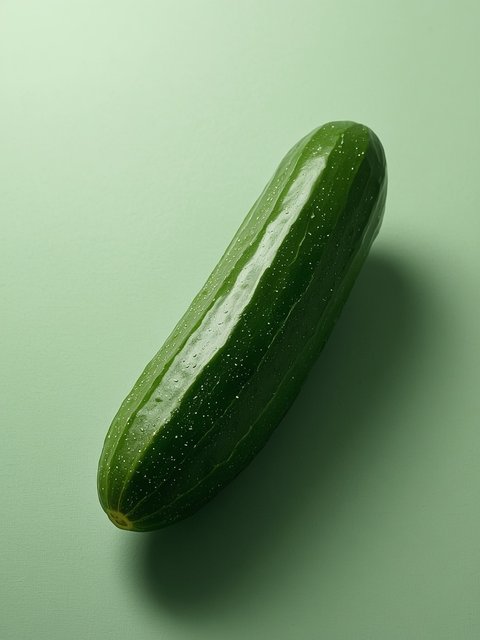
The cultivated garden cucumber (Cucumis sativus) ranks among the most widely consumed horticultural crops globally, revered for its crisp, thirst-quenching bite and culinary versatility. Frequently dismissed as merely 'cellular water wrapped in a rind', the cucumber delivers substantial bioactive compounds: bioavailable silica, cucurbitacins, potassium, and neuroprotective flavonoids including fisetin and quercetin. It fosters cellular hydration, aids metabolic detoxification, and excels in topical dermatology.
Botanical taxonomy, geographical origins, and cultivated varieties
The garden cucumber originated in the southern Himalayan foothills of ancient India, where it was domesticated over 3,000 years ago. Taxonomically situated within the Cucurbitaceae family, primary agricultural varieties split into long English greenhouse cucumbers (smooth, seedless, thin-skinned, ideal for raw slicing) and field pickling cucumbers (shorter, bumpy, thick-skinned drupes built for fermentation). Specialty cultivars include snack and Lebanese mini-cucumbers.
Cellular hydration, organic silica, and antioxidant protection
Cucumbers consist of 96% structured cellular water infused with electrolytes, making them one of the most effective hydrating functional foods available. They serve as a prime dietary source of bioavailable silicon (silica), which enhances collagen and elastin cross-linking to fortify hair follicles, nail matrix, and connective tissue. Bioactive lignans (lariciresinol, pinoresinol) and flavonoids in the peel deliver anti-inflammatory and cardioprotective benefits.
Nutritional composition, mineral matrix, and caloric density
A 100 g serving of fresh unpeeled cucumber yields merely 14–15 kcal, providing 0.7 g protein, 0.1 g lipid, 3.6 g carbohydrates, and 0.5 g dietary fiber. It is a notable source of potassium (approx. 147 mg/100 g), promoting sodium homeostasis and arterial health, as well as vitamin K (approx. 16% of daily requirements) for bone matrix support. Due to minimal caloric density, cucumbers can be consumed abundantly during weight loss without disrupting energy balances.
Dietary culinary applications and topical dermatological uses
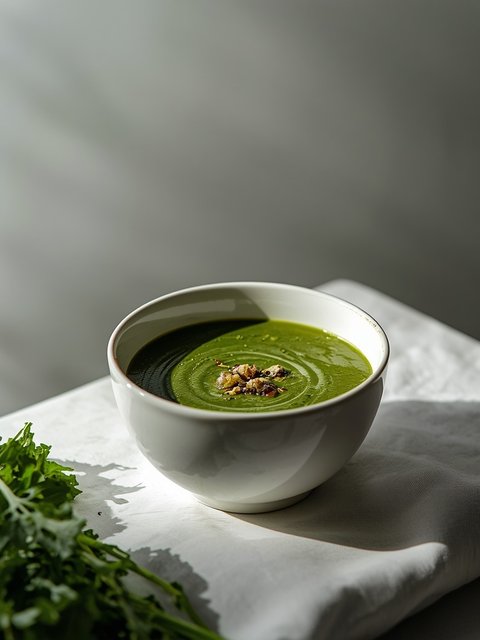
In culinary nutrition, cucumbers form the backbone of cold summer soups (chłodnik, gazpacho), crisp salads (mizeria with Greek yogurt, Greek horiatiki), infused spa waters, and detoxifying smoothies. In dermatological care, chilled cucumber slices applied over closed eyelids represent an evidence-based clinical home remedy to relieve periorbital edema and dark circles via caffeic acid and ascorbic acid. Cucumber extracts form key ingredients in soothing facial toners and post-sunburn gels.
Scientific curiosities: Ascorbinase enzymes, bitter cucurbitacins, and tomato pairing
A well-known culinary adage warns against pairing fresh cucumbers with tomatoes. Cucumbers contain the enzyme ascorbinase (ascorbic acid oxidase), which oxidizes and degrades vitamin C present in tomatoes. However, simply introducing a splash of vinegar, lemon juice, or olive oil lowers the pH and permanently denatures ascorbinase, preserving the vitamin C intact. Meanwhile, the bitter taste occasionally concentrated near the stem end arises from cucurbitacins—phytochemicals that demonstrate promising anti-inflammatory and cytoprotective properties in preclinical research.
Want to apply these guidelines in your daily diet?
Our smart diet generator creates a tailored meal plan in 3 minutes based on the recommendations in this article.
Tags

Isabella Taylor
Diets Premium Expert
Diets Premium team expert. Specializes in nutrition plans, strength sports, and training plans.