Pregnancy & Motherhood 5 min read

Comprehensive Guide to Asparagus Preparation: Peeling Techniques, Optimal Cooking Methods, Freezing Protocols, and Serving Suggestions

Comprehensive Guide to Asparagus Preparation: Peeling Techniques, Optimal Cooking Methods, Freezing Protocols, and Serving Suggestions
1 photo
942

Smart Voice

AI
0:00
0:00
Listen to the article content live
Table of Contents 7

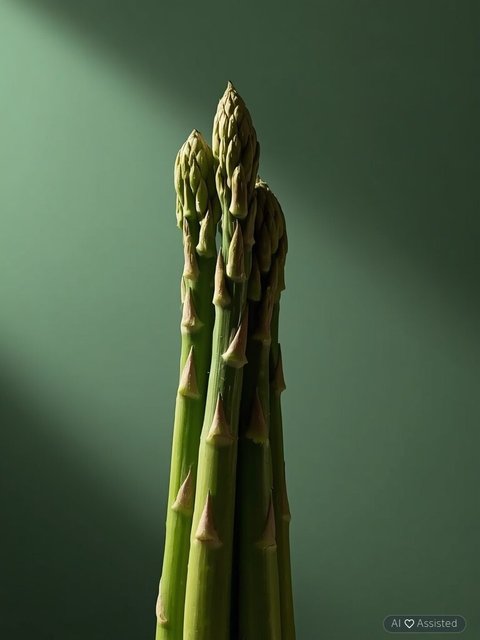
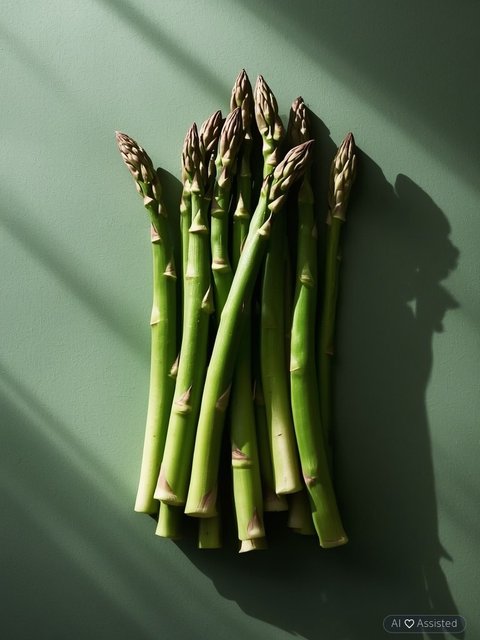
Asparagus (Asparagus officinalis) reigns supreme as the undisputed culinary jewel of springtime, celebrated since antiquity for its delicate earthy flavor, crisp texture, and exceptional nutritional profile. Exceptionally low in calories (approximately 20 kcal per 100 g), asparagus delivers concentrated folates, phylloquinone (vitamin K), potassium, and asparagine—a functional amino acid supporting renal filtration and diuresis. Achieving culinary perfection hinges on understanding the fundamental structural differences between white and green spears: from peeling mechanics and precision thermal cooking to preservation protocols and gastronomic pairings.

01 / 07

Selection and Peeling Techniques: White vs. Green Asparagus

High-quality fresh asparagus is recognized by firm, straight stalks, tightly closed tips, and moist cut ends that exude fragrant sap when gently pressed. The foremost culinary rule revolves around coloration: white asparagus grows entirely underground without sunlight, developing a thick, fibrous outer skin that requires thorough peeling using a sharp swivel peeler starting just below the delicate tip down to the base. Conversely, green asparagus (grown above ground with active photosynthesis) has delicate skin and rarely requires peeling, except for the bottom few centimeters of particularly thick spears. For both varieties, snapping off woody bases by gently bending the lower third reveals the natural tender breakpoint.

02 / 07

Why Urine Smells After Asparagus: Asparagusic Acid and Genetics

The characteristic pungent odor observed in urine shortly after consuming asparagus (often within 15–30 minutes) is an entirely harmless physiological phenomenon. It is caused by asparagusic acid (1,2-dithiolane-4-carboxylic acid), a unique sulfur-containing carboxylic acid found exclusively in asparagus tissues. During hepatic and digestive breakdown, this compound is rapidly metabolized into volatile organosulfur byproducts, including methanethiol, dimethyl sulfide, and dimethyl disulfide, which are promptly filtered by renal glomeruli. Intriguingly, the perception of this aroma is genetically determined: single nucleotide polymorphisms in olfactory receptor genes mean a substantial subset of the population exhibits specific anosmia and cannot detect the scent.

03 / 07

Precision Cooking Techniques: Poaching, Steaming, Roasting, and Grilling

Traditional poaching is optimized in a tall asparagus pot: spears are tied into bundles and cooked vertically so delicate heads emerge above the liquid, cooking gently via steam alone. Cooking water is seasoned with salt, a pinch of sugar, and fresh butter (adding a lemon wheel preserves porcelain brightness in white asparagus). Cooking times: white spears require 10–15 minutes until tender-yielding, while slender green spears require only 4–7 minutes to retain vibrant crispness. Modern chefs increasingly champion oven-roasting: tossing green spears with extra virgin olive oil and roasting at 200°C for 10–12 minutes produces irresistible caramelized sweetness without boiling off water-soluble vitamins.

04 / 07

Preservation Protocols: Refrigeration Storage and Freezing Techniques

Fresh unpeeled asparagus keeps impeccably in refrigeration for 3–4 days: wrap white spears in a damp cotton tea towel, whereas green spears thrive placed upright in a glass jar with 2 cm of cold water like cut floral bouquets. Asparagus also freezes exceptionally well for winter enjoyment. The golden rule: freeze asparagus peeled and trimmed, but completely raw, without prior blanching! Blanching before freezing degrades cell wall turgor, resulting in stringy, waterlogged spears upon thawing. When ready to cook, plunge frozen spears directly into boiling water or hot roasting pans without prior defrosting.

05 / 07

Why Asparagus Can Taste Bitter and Culinary Solutions

Unpleasant bitterness in asparagus primarily stems from harvesting too late in the season (as the plant approaches blooming), white spears breaching soil mounds and encountering premature sunlight, or cutting spears too close to the woody underground root crown. To neutralize potential bitterness in cooking, adding a teaspoon of unrefined sugar, a dash of whole milk, or a dry crust of wheat bread to the poaching liquid effectively absorbs bitter compounds. Crucially, meticulously peeling the lower half of white spears removes outer vascular bundles where bitter saponins and polyphenols preferentially concentrate.

06 / 07

Classic and Contemporary Ways to Serve Asparagus

Asparagus possesses culinary nobility, harmonizing seamlessly with both rustic staples and sophisticated gastronomy. The undisputed European benchmark is poached white asparagus served with velvety sauce hollandaise, buttered new potatoes, and artisanal prosciutto or cured ham. Green asparagus shines brilliantly alongside poached farm eggs, shaved Parmigiano-Reggiano, and toasted pine nuts. For finger food or elegant appetizers, wrapping grilled green spears in paper-thin pancetta or dry-cured ham and drizzling with aged balsamic glaze delivers exquisite textural and savory contrast.

07 / 07

Gourmet Culinary Inspirations: Asparagus Tart, Spring Risotto, and Velouté Soup

Asparagus inspires vibrant seasonal creations. A perennial crowd-pleaser is an artisanal puff pastry tart layered with whipped ricotta, goat cheese, fresh herbs, and neatly arranged green asparagus spears, baked to a golden crisp. Equally sublime is creamy Venetian-style asparagus risotto deglazed with dry white wine and finished with aged Parmigiano, where asparagus trimmings and peels are boiled down into a rich poaching stock. Furthermore, white asparagus forms the foundation of a velvety soup velouté, garnished with garlic sourdough croutons, snipped chives, and a touch of white truffle oil.

Meal Plan

Want to apply these guidelines in your daily diet?

Our smart diet generator creates a tailored meal plan in 3 minutes based on the recommendations in this article.

mgr Literatura:
Ewa Cieślik, Agnieszka Siembida. charakterystyka wartości odżywczej i właściwości prozdrowotnych szparaga lekarskiego (Asparagus officinalis L.) Postępy Fitoterapii 2/2011.
Marcia Levin Pelchat, Cathy Bykowski, Fujiko F. Duke. Excretion and Perception of a Characteristic Odor in Urine after Asparagus Ingestion: a Psychophysical and Genetic Study. Chem. Senses 36: 9–17, 2011.
Wieczorek-Chełmińska Z. Nowoczesna dietetyczna książka kucharska. Wydawnictwo Lekarskie PZWL. Warszawa 2014.
Scientifically reviewed by a clinical dietitian • 23.10.2026

mgr Literatura: Ewa Cieślik, Agnieszka Siembida. charakterystyka wartości odżywczej i właściwości prozdrowotnych szparaga lekarskiego (Asparagus officinalis L.) Postępy Fitoterapii 2/2011. Marcia Levin Pelchat, Cathy Bykowski, Fujiko F. Duke. Excretion and Perception of a Characteristic Odor in Urine after Asparagus Ingestion: a Psychophysical and Genetic Study. Chem. Senses 36: 9–17, 2011. Wieczorek-Chełmińska Z. Nowoczesna dietetyczna książka kucharska. Wydawnictwo Lekarskie PZWL. Warszawa 2014.

Diets Premium Expert

Diets Premium team expert. Specializes in nutrition plans, strength sports, and training plans.

USDA FoodData Central EFSA PubMed Clinical Guidelines
Loading
Recommended articles in this category

Related Articles

Discover similar publications and expert insights.

Duck as a nutritional powerhouse: profile, health benefits, and techniques for cooking flawlessly tender duck meat – a time-tested culinary recipe
Meat Science
Duck as a nutritional powerhouse: profile, health benefits, and techniques for cooking flawlessly tender duck meat – a time-tested culinary recipe
⏱ 2 min czytania 📚 Meat Science
#Culinary Techniques #Health Benefits
Pumpkin
Nutrition
Pumpkin
⏱ 2 min czytania 📚 Nutrition
#Carotenoids #Vitamin C
7 Products That Can Harm Your Liver
Health
7 Products That Can Harm Your Liver
⏱ 3 min czytania 📚 Health
#Healthy #Liver
Barley groats
Pregnancy & Motherhood
Barley groats
⏱ 2 min czytania 📚 Pregnancy & Motherhood
#Gluten #Zinc
Asparagus in Weight Loss Nutrition: Low Energy Density, Metabolism, and Satiety
Low-Calorie Foods
Asparagus in Weight Loss Nutrition: Low Energy Density, Metabolism, and Satiety
⏱ 1 min czytania
#Low-calorie Foods #Vegetable
Asparagus Beans – Varieties, Vitamins, Glycemic Index. Healthy Recipes with Asparagus Beans
Pregnancy & Motherhood
Asparagus Beans – Varieties, Vitamins, Glycemic Index. Healthy Recipes with Asparagus Beans
⏱ 6 min czytania 📚 Pregnancy & Motherhood
#Healthy Diet #Healthy Recipes
What types of woks are there? Ceramic, cast iron, carbon steel wok... Are wok-cooked dishes health-promoting?
Cookware
What types of woks are there? Ceramic, cast iron, carbon steel wok... Are wok-cooked dishes health-promoting?
⏱ 6 min czytania
#Cookware #Stir-fry
Pulverized sweet pepper
Bell Peppers
Pulverized sweet pepper
⏱ 2 min czytania
#Bell Peppers #Bell Pepper
A manna container for children and infants... a manna container for breakfast, for dessert
Light
A manna container for children and infants... a manna container for breakfast, for dessert
⏱ 4 min czytania
#Light #Breakfast
Contraindicated attributes and side effects of sea kelp
Antioxidants
Contraindicated attributes and side effects of sea kelp
⏱ 4 min czytania
#Antioxidants #Omega-3 Fatty Acids
Rice Noodles – Varieties, Nutritional Profile, Glycemic Index, and Culinary Recipes
Food Science
Rice Noodles – Varieties, Nutritional Profile, Glycemic Index, and Culinary Recipes
⏱ 2 min czytania 📚 Food Science
#Rice Noodles #Magnesium
Sage - Types, effects, side effects... What is sage useful for?
Anti-Inflammatory
Sage - Types, effects, side effects... What is sage useful for?
⏱ 3 min czytania
#Anti-inflammatory #Carbohydrates
Culinary Asparagus Shoots: Nutritional Value, Health Benefits, and Culinary Uses
Vegetables
Culinary Asparagus Shoots: Nutritional Value, Health Benefits, and Culinary Uses
⏱ 3 min czytania
#Vegetables #Asparagus
Health benefits of Kalarepa... Health benefits of Kalarepa during pregnancy, for infants, recipes... How to consume Kalarepa?
Health
Health benefits of Kalarepa... Health benefits of Kalarepa during pregnancy, for infants, recipes... How to consume Kalarepa?
⏱ 4 min czytania 📚 Health
#Antioxidants #Health Benefits
Broccoli
Oxidative Stress
Broccoli
⏱ 2 min czytania
#Oxidative Stress #Free Radicals
Cucumbers (Cucumis sativus): Nutritional profile, bioactive compounds, practical culinary uses, and scientific facts
Bioactive Compounds
Cucumbers (Cucumis sativus): Nutritional profile, bioactive compounds, practical culinary uses, and scientific facts
⏱ 4 min czytania
#Bioactive Compounds #Detoxification
Zucchini: Health benefits, nutritional value, vitamins and dietary recipes
Essential Nutrients
Zucchini: Health benefits, nutritional value, vitamins and dietary recipes
⏱ 4 min czytania
#Essential Nutrients #Nutritional Composition
Effective kidney-purifying agents
Rich In B Vitamins
Effective kidney-purifying agents
⏱ 2 min czytania
#Rich In B Vitamins #Rich In Vitamins
Rice bran oil – characteristics, applications for hair and in culinary use, including frying and cooking
Bioactive Compounds
Rice bran oil – characteristics, applications for hair and in culinary use, including frying and cooking
⏱ 5 min czytania
#Bioactive Compounds #Cooking Activity
Do the properties of vitamin C genuinely pose a greater risk in cases of excess or deficiency?
Pregnancy & Motherhood
Do the properties of vitamin C genuinely pose a greater risk in cases of excess or deficiency?
⏱ 3 min czytania 📚 Pregnancy & Motherhood
#Gastrointestinal Disorders #Physical Activity
Novel Phytochemical Frontiers: Sulforaphane, Anthocyanins, Senolytic Quercetin, and Urolithin A in Plant Nutrition
Pregnancy & Motherhood
Novel Phytochemical Frontiers: Sulforaphane, Anthocyanins, Senolytic Quercetin, and Urolithin A in Plant Nutrition
⏱ 4 min czytania 📚 Pregnancy & Motherhood
#Plant-Based Foods #Dietary Prevention
Radish Seeds – Nutritional Value, Benefits, and Cultivation
Vitamins And Minerals
Radish Seeds – Nutritional Value, Benefits, and Cultivation
⏱ 4 min czytania
#Vitamins And Minerals #Nutritional Content
Mineral constituents and vitamins found in eggs
Vitamins And Minerals
Mineral constituents and vitamins found in eggs
⏱ 4 min czytania
#Vitamins And Minerals #Vitamins In Eggs
The Role of Iron in the Human Body
Pregnancy & Motherhood
The Role of Iron in the Human Body
⏱ 4 min czytania 📚 Pregnancy & Motherhood
#Tuna #Iron
Ferritin – Excess and Deficiency: How to Raise Ferritin Levels?
Pregnancy & Motherhood
Ferritin – Excess and Deficiency: How to Raise Ferritin Levels?
⏱ 5 min czytania 📚 Pregnancy & Motherhood
#Protein #Protein In Diet
Ferritin Level Test: Reference Values in Children
Pregnancy & Motherhood
Ferritin Level Test: Reference Values in Children
⏱ 4 min czytania 📚 Pregnancy & Motherhood
#Protein #Protein In Diet
Gestational Anemia: Physiological Hydremia vs Frank Iron and Folate Deficiency
Pregnancy & Motherhood
Gestational Anemia: Physiological Hydremia vs Frank Iron and Folate Deficiency
⏱ 2 min czytania 📚 Pregnancy & Motherhood
#Nutrition Principles #Fetal Development
Bromelain – Effects and Potential Side Effects
Raw
Bromelain – Effects and Potential Side Effects
⏱ 3 min czytania
#Raw #Pineapple
Parsnip (Pastinaca sativa) – Nutritional Properties, Culinary Applications, and Creamy Parsnip Soup Recipe
Food & Ingredients
Parsnip (Pastinaca sativa) – Nutritional Properties, Culinary Applications, and Creamy Parsnip Soup Recipe
⏱ 4 min czytania 📚 Food & Ingredients
#Nutritional Properties #Culinary Traditions
Cabbage (vegetable)
Health
Cabbage (vegetable)
⏱ 3 min czytania 📚 Health
#Vegetable #Vitamin C

Share