4 min read
Collagen: Powder, Liquid, Food, and Tablets – How to Use

1 photo
719
Smart Voice
AI
0:00
0:00
Listen to the article content live
Table of Contents 5
Collagen is one of the most indispensable proteins in animal organisms. It is not a single protein, but a family of proteins with a similar arrangement. Collagen forms a mixture of amino acids that is an irreplaceable component of the construction of some human tissues - such as bones, skin, or cornea. It usually occurs in most organs and is estimated to make up about 25–30% of the total amount of proteins in the body.
01 / 05
A comprehensive guide: methods for utilizing collagen in supplementation and skincare
For individuals unfamiliar with the intricate details of bodily structure and physiological processes, collagen—a structural protein distinguished by its unique amino acid profile—is primarily associated with dietary supplements and cosmetic formulations designed to rejuvenate the epidermis and fortify hair. Owing to its relatively uncomplicated molecular architecture and high bioavailability, this compound can be synthesized and incorporated into a vast array of consumable goods, as well as specialized dermatological preparations. Within the realms of health maintenance and aesthetic enhancement, collagen is available in multiple application formats: as a dissolvable powder for liquid suspensions, pre-mixed oral solutions, topical creams and serums for direct skin application, encapsulated tablets for ingestion, and as a natural constituent of a balanced, protein-rich diet derived from animal sources.
02 / 05
Powdered collagen: distinguishing between dietary supplements and culinary gelatin – composition, functional differences, and applications
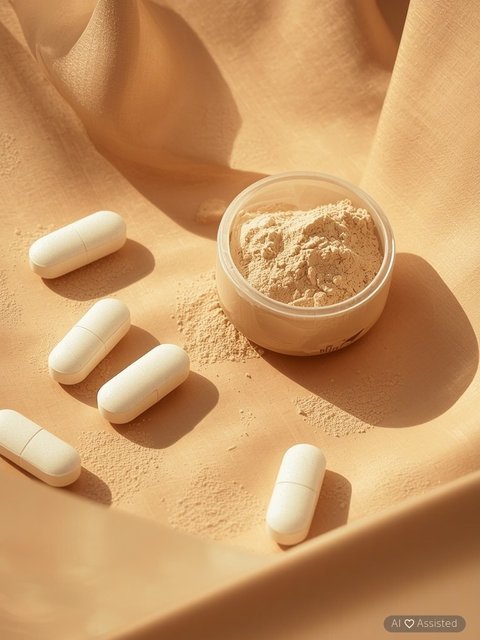
Powdered collagen may serve a dual purpose: as a bioavailable dietary supplement composed of hydrolyzed collagen peptides or free amino acids derived from collagen, or as conventional edible gelatin obtained through the denaturation of animal connective tissues—primarily bovine. Collagen-based supplements are frequently fortified with synergistic bioactive compounds, including vitamin C (which aids endogenous collagen synthesis), mineral salts (such as calcium and magnesium), glycosaminoglycans (e.g., chondroitin sulfate), glucosamine sulfate, and organic sulfur compounds (e.g., methylsulfonylmethane, MSM), all designed to enhance absorption efficiency and support connective tissue regeneration. Commercial formulations often incorporate technological additives—sweeteners, natural or artificial flavorings, colorants, and emulsifiers—to improve palatability and consumer acceptance. In contrast, edible gelatin, a byproduct of meat processing (derived from bovine bones, tendons, and hides), consists predominantly of type I and III collagen and is characterized by its ability to form stable gels upon cooling. While its production is less complex and more economical than that of isolated collagen supplements, it lacks the additional health-promoting benefits associated with specialized formulations.
03 / 05
Liquid Collagen: Properties, Applications, and Limitations
Collagen-based preparations have long been a staple in both the dietary supplement and cosmetics markets, leading to the development of diverse application methods. The term "liquid collagen" may refer to ready-to-consume dietary supplements in suspension form or to cosmetic products such as creams or serums. While the liquid formulation offers convenience, it also incurs higher production costs—the necessity of adding a solvent (most commonly water) increases the product volume, thereby raising logistical demands and requiring structural stabilizers to maintain molecular integrity. In the cosmetic context, despite claims of efficacy in reducing signs of aging, the ability of collagen to penetrate skin layers remains questionable due to the absence of appropriate digestive enzymes in the epidermis and the limited bioavailability of collagen molecules following topical application.
04 / 05
Collagen in tablet form: properties, advantages, and practical limitations
Collagen presented in tablet form represents an alternative supplementation method for this structural protein, functionally comparable to collagen powder but distinguished by unique application characteristics. The primary advantage of this format lies in the precise measurement of individual doses and the potential to enhance the formulation with supplementary bioactive compounds that may support joint, skin, or connective tissue health. It is important to note, however, that the manufacturing process for tablets—encompassing granulation, compression, and packaging under stringent hygiene controls—incurs higher operational expenditures relative to powder production, which is reflected in the final retail pricing. A significant practical consideration is the requirement to consume multiple tablets daily, as therapeutic collagen dosages typically range in the gram scale; with standard tablet weights usually between 500–1000 mg, this translates to ingesting anywhere from several to more than ten tablets per day. For some individuals, this may pose a challenge due to difficulties with swallowing or subjective discomfort associated with high tablet volume intake.
05 / 05
Natural dietary sources of collagen and its available supplemental forms
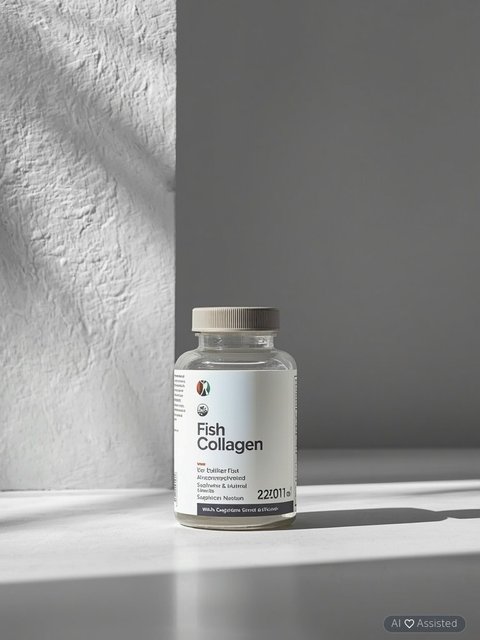
Dietary sources rich in collagen primarily include gelatin and its derivative products, such as fruit-based gels, meat aspics, mixed vegetable-meat jellies, and fish-based preparations. Additionally, trace amounts of this structural protein may be present in concentrated broths and stocks prepared from animal bones, tendons, and cartilage. Collagen represents a fundamental constituent of connective tissue across all vertebrate species, playing a pivotal role in maintaining tissue cohesion and mechanical resilience. Currently, it is also available in highly purified forms, offered through diverse delivery systems. The most prevalent method of collagen consumption involves dietary supplements, which are formulated as soluble powders, liquid concentrates, or encapsulated in capsules and tablets. While collagen is frequently regarded as a protein of limited nutritional value due to its incomplete amino acid profile, emerging evidence suggests potential health benefits in specific clinical scenarios. Supplementation is most commonly advocated to support bone and cartilage regeneration, although the efficacy of such interventions may exhibit variability. Furthermore, scientific literature provides substantiation for collagen’s capacity to decelerate intrinsic skin aging processes, mitigate the visibility of cellulite, and enhance epidermal hydration and elasticity parameters, as corroborated by multiple studies [2–7].
Meal Plan
Want to apply these guidelines in your daily diet?
Our smart diet generator creates a tailored meal plan in 3 minutes based on the recommendations in this article.

Scientifically reviewed by a clinical dietitian
• 25.09.2026
mgr Literatura: Hames B. D., Hooper N. M., Biochemia – Krótkie wykłady, PWN, Warszawa 2004, Zdzieblik D., Oesser S., i in., Collagen peptide supplementation in combination with resistance training improves body composition and increases muscle strength in elderly sarcopenic men: a randomised controlled trial, Br J Nutr. 2015 Oct 28;114(8):1237–45, Asserin J., Lati E., i in. The effect of oral collagen peptide supplementation on skin moisture and the dermal collagen network: evidence from an ex vivo model and randomized, placebo-controlled clinical trials. J Cosmet Dermatol. 2015 Dec;14(4):291–301, Schunck M., Zague V. i in., Dietary Supplementation with Specific Collagen Peptides Has a Body Mass Index-Dependent Beneficial Effect on Cellulite Morphology. J Med Food. 2015 Dec;18(12):1340–8, Choi S. Y., Ko E. J., i in., Effects of collagen tripeptide supplement on skin properties: a prospective, randomized, controlled study. J Cosmet Laser Ther. 2014 Jun;16(3):132–7, Cúneo F., Costa-Paiva L. i in., Effect of dietary supplementation with collagen hydrolysates on bone metabolism of postmenopausal women with low mineral density. Maturitas. 2010 Mar;65(3):253–7, Proksch E., Segger D. i in., Oral supplementation of specific collagen peptides has beneficial effects on human skin physiology: a double-blind, placebo-controlled study, Skin Pharmacol Physiol. 2014;27(1):47–55.
Diets Premium Expert
Diets Premium team expert. Specializes in nutrition plans, strength sports, and training plans.
USDA FoodData Central
EFSA
PubMed Clinical Guidelines