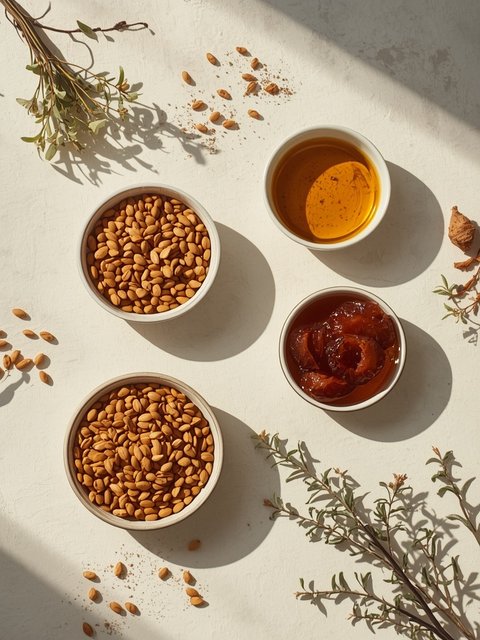
Cold-pressed flaxseed oil – a plant-based omega-3 powerhouse

Smart Voice
AITable of Contents 3
Flaxseed oil, derived from the seeds of common flax (Linum usitatissimum), represents one of the most concentrated plant-based sources of omega-3 fatty acids—particularly alpha-linolenic acid (ALA)—which plays a pivotal role in maintaining physiological equilibrium within the human body. Extensive research confirms that consistent consumption of this oil contributes to a reduction in blood triglyceride levels, assists in blood pressure regulation, and demonstrates protective effects against cardiovascular diseases by mitigating the risk of atherosclerosis and thrombotic events. Additionally, while present in smaller quantities compared to fish oil, the docosahexaenoic acid (DHA) found in flaxseed oil serves an indispensable function in neurogenesis, acting as a structural constituent of neuronal cell membranes, thereby rendering it especially critical in the diets of pregnant women and young children.
Furthermore, the polyunsaturated fatty acids in flaxseed oil are essential for sustaining the epithelial barrier function of the skin, mucous membranes, and other tissues, as they serve as primary substrates for membrane lipid synthesis. Given the human body’s inability to endogenously synthesize omega-3 and omega-6 fatty acids, their systematic intake through high-quality plant oils remains a cornerstone of health prevention and metabolic optimization.
Linseed oil properties
Virgin cold-pressed flaxseed oil is nature's richest terrestrial reservoir of essential omega-3 fatty acids, supplying upwards of 50–55% alpha-linolenic acid (ALA). These polyunsaturated lipids serve as vital structural constituents of cellular phospholipids, mediating vascular tone, platelet aggregation, and systemic inflammatory pathways.
Adequate maternal intake of omega-3 fatty acids is foundational during pregnancy and lactation, supporting fetal neurodevelopment, retinal maturation, and maternal metabolic health. In the general adult population, routine dietary incorporation of cold-pressed flaxseed oil demonstrates notable cardioprotective efficacy by lowering serum triglycerides, attenuating endothelial inflammation, and mitigating hypertensive arterial stiffness.
Use of flaxseed oil
Beyond nutritional cardiology, flaxseed oil holds an established role in dermatological phytopharmacy. It forms the active lipid core of therapeutic ointments and liniments prescribed to soothe acute thermal and friction burns, frostbite, bedsores, and radiation-induced dermatitis.
In culinary applications, virgin flaxseed oil must be used exclusively in unheated dishes: blended into breakfast quark (as in the classic Budwig protocol), whisked into salad dressings, or drizzled over steamed potatoes and seasonal vegetables immediately prior to dining. Heating flaxseed oil destroys its sensitive polyunsaturated bonds and renders it toxic, meaning frying or sautéing is strictly prohibited.
Oxidative stability of ALA and rigorous storage standards
The extraordinary abundance of polyunsaturated alpha-linolenic acid (ALA) renders virgin flaxseed oil acutely susceptible to lipid peroxidation upon exposure to light, atmospheric oxygen, and heat. Oxidative rancidity not only degrades therapeutic omega-3 fractions but generates cytotoxic lipid peroxides and unpalatable bitterness.
Cold-pressed flaxseed oil must be packaged exclusively in amber glass bottles and preserved in refrigeration (4–8°C / 39–46°F) continuously. Once unsealed, it should be consumed within 3 to 4 weeks. Thermal exposure must be strictly prohibited—flaxseed oil is formulated exclusively for raw, unheated culinary applications.
Want to apply these guidelines in your daily diet?
Our smart diet generator creates a tailored meal plan in 3 minutes based on the recommendations in this article.
Tags

Isabella Taylor
Diets Premium Expert
Diets Premium team expert. Specializes in nutrition plans, strength sports, and training plans.