Use of flaxseed oil in skincare: benefits for hair, facial skin, and other areas


Table of Contents 3
Medical & Editorial Disclaimer (§3 Terms): This article is for informational and educational purposes only, does not constitute medical advice, diagnosis, or treatment, and is used at your own risk. Consult a qualified physician for medical conditions.
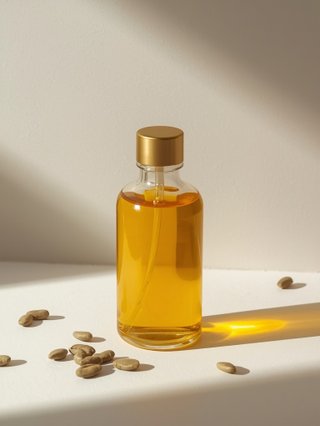
The cosmetic value of virgin flaxseed oil relies on its rich profile of essential unsaturated fatty acids, which participate in phospholipid synthesis and help preserve the delicate hydrolipid balance of the skin barrier. In haircare, its lightweight texture and specific lipid composition make it exceptionally suitable for dry, frizzy, chemically processed, or high-porosity hair with lifted cuticles, providing gentle structural conditioning without the harsh sulfates or drying alcohols often found in conventional styling products. When applied to facial skin, the oil supports epidermal barrier integrity and protects the natural acid mantle, offering soothing care even for complexions prone to dryness, sensitivity, or blemishes.
Integrating cold-pressed flaxseed oil into a daily wellness regimen is straightforward and particularly effective during evening routines. It can be gently massaged onto damp facial skin as an anhydrous serum, blended into a nourishing night cream, or utilized as a mild lipid cleanser capable of dissolving waterproof makeup and environmental pollutants without stripping moisture. Combining regular topical treatments for the hair shaft and facial epidermis with mindful dietary habits provides comprehensive support for tissue vitality, though individuals managing clinical skin conditions such as acne vulgaris, rosacea, or atopic dermatitis should always coordinate new topical regimens with a qualified healthcare professional.
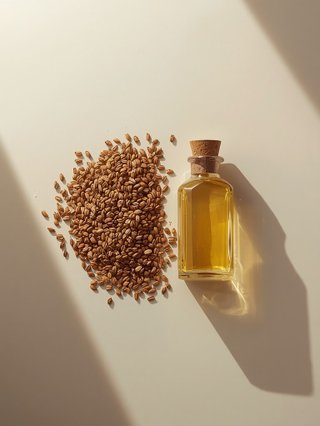
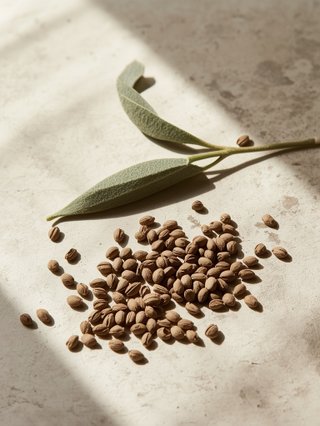
Derived through the cold-pressing of seeds from Linum usitatissimum, flaxseed oil boasts a storied legacy tracing back to ancient Middle Eastern civilizations, where it was prized for its therapeutic properties. Historical records indicate that Hippocrates himself employed it to alleviate mucosal irritations, gastric discomfort, and diarrheal conditions. In contemporary practice, this oil serves dual purposes: it is incorporated into external skincare and haircare formulations while also being recommended as a dietary supplement for internal use.
Nevertheless, its distinctive, mildly acrid flavor profile and pronounced bitterness may deter consistent oral consumption.
Flaxseed oil in cosmetics
Vegetable oils are natural products, which are the most widely used cosmetic enhancers for the human body. They can be used as sunscreens to help with skin changes and are used to restore proper moisture to the skin. An example is olive oil, which is highly used not only in cooking but also in cosmetics.
Another excellent oil, used extensively in beauty, is flax oil. NNKTs in its composition also play a role in the production of phospholipids, thus helping to maintain the water-fat balance of the skin and its proper lubrication. Oxygen in the body is used as an anti-inflammatory, anti-oxidant and anti-caking agent.
Linen oil for your hair
Many individuals turn to costly commercial hair cosmetics in an attempt to revive dry, frizzy, or chemically processed hair, often encountering disappointing outcomes due to harsh sulfates, drying alcohols, and temporary silicones. Natural virgin flaxseed oil offers an accessible and scientifically grounded alternative for profound hair shaft restoration.
Because of its light texture and unique lipid composition, flaxseed oil is particularly suited for high-porosity hair whose lifted cuticles rapidly lose hydration. A regular weekly hair-oiling ritual or warm compress seals hair cuticles, imparts brilliant mirror-like shine, and fortifies brittle strands against mechanical breakage and thermal damage.
Flaxseed oil for the face
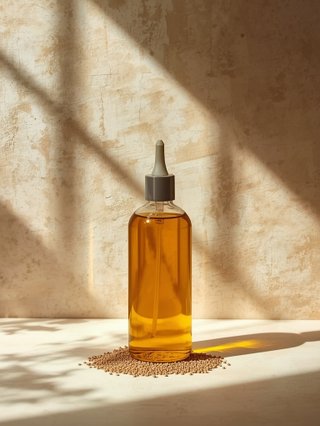
Incorporating cold-pressed flaxseed oil into facial skincare—particularly into night-time routines—delivers remarkable barrier-restoring benefits. It can be gently massaged directly onto damp facial skin as an anhydrous serum or blended into nourishing night creams. It also serves as a remarkably gentle lipid cleanser for dissolving waterproof makeup and particulate pollutants without disrupting epidermal acid mantle.
For individuals struggling with acne vulgaris, rosacea, or atopic dermatitis, the high concentration of anti-inflammatory alpha-linolenic acid (ALA) and lignans helps fluidize congested sebum, soothe erythematous flares, and accelerate micro-scar healing. The outcome is intensely hydrated, plumped, and visibly calmed facial skin with renewed resilience.
Want to apply these guidelines in your daily diet?
Our smart diet generator creates a tailored meal plan in 3 minutes based on the recommendations in this article.
Tags

Wojciech Wiśniewski
• 25.11.2026Diets Premium Expert
Diets Premium team expert. Specializes in nutrition plans, strength sports, and training plans.