5 min read
Coconut – Properties, Nutritional Value, and Uses
1 photo
809
Smart Voice
AI
0:00
0:00
Listen to the article content live
Table of Contents 4
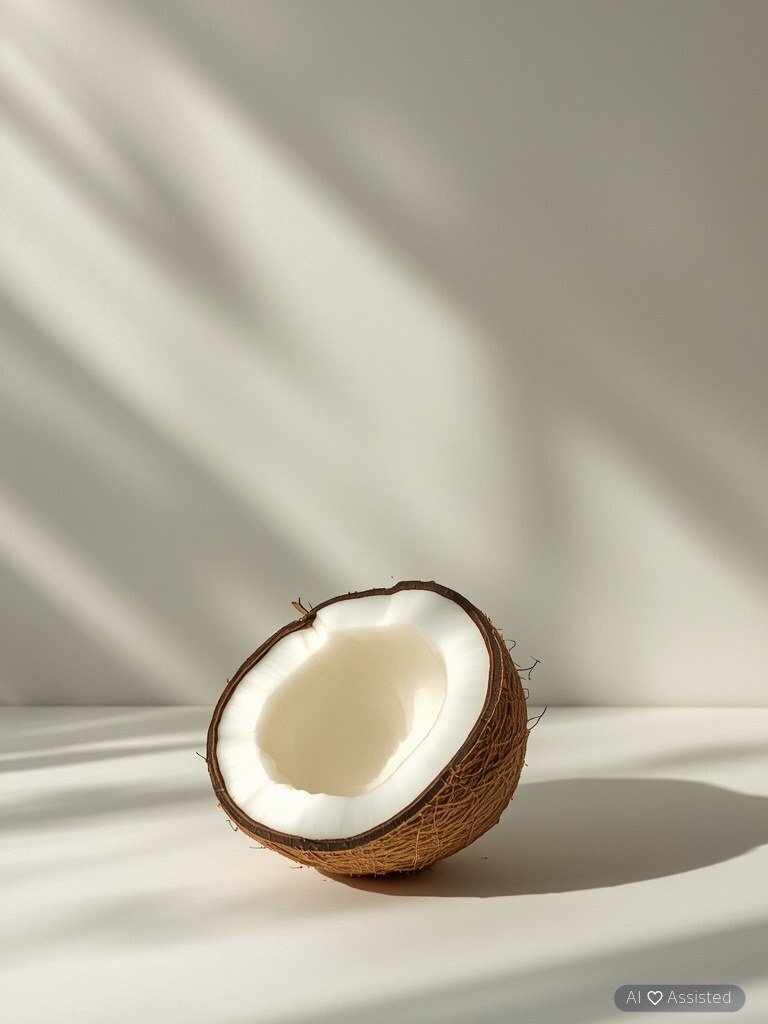
It is nothing new that the most precious is often hidden deep beneath many layers, which must first be patiently overcome to reach the valuable interior. The coconut, known for its hard-as-rock shell, contains many precious nutrients within. Learn the reasons why it is worth breaking through this armored fruit of the coconut palms.
01 / 04
Coconut: Nutritional Composition and Health-Related Applications
Beneath the durable, outer husk of the coconut (*Cocos nucifera*) lies a succulent, white pulp with a dense texture alongside nutrient-rich coconut milk, both of which serve as valuable dietary components. Cultivation of this plant spans tropical regions, including Malaysia, Polynesia, South Asia, and South America, from which coconuts are distributed globally. Their widespread appeal stems not only from culinary versatility but also from a distinctive nutritional profile—particularly their abundance of medium-chain triglycerides (MCTs), which play a pivotal role in energy metabolism and support cardiovascular and neurological function.
02 / 04
Coconut – distinctive nutritional properties and health benefits derived from medium-chain triglyceride (MCT) content
The white pulp of the coconut represents a valuable source of medium-chain triglycerides (MCTs), which exhibit a metabolic profile distinctly different from that of conventional animal-derived fats. These specific fatty acids, characterized by shorter hydrocarbon chains, undergo more rapid degradation and are transported directly from the gastrointestinal tract to the liver, where they can be immediately converted into usable energy. A critical advantage is that their assimilation does not trigger abrupt fluctuations in blood glucose levels or excessive insulin secretion—a key benefit for metabolic health maintenance. Extensive scientific research confirms that regular MCT consumption may contribute to an elevated basal metabolic rate, thereby facilitating more efficient calorie expenditure. Despite the relatively high caloric density of coconut (approximately 354 kcal per 100 g), its incorporation into a balanced dietary regimen can prove beneficial even for individuals struggling with excess body weight. Particularly promising outcomes were observed in women with abdominal ("apple-type") obesity: studies conducted by Brazilian researchers demonstrated that systematic coconut oil intake led to reductions in body mass index (BMI) and waist circumference. Furthermore, MCTs demonstrate the capacity to mitigate the adverse effects of saturated animal fats and trans isomers by lowering low-density lipoprotein (LDL, or "bad") cholesterol levels while concurrently increasing high-density lipoprotein (HDL, or "good") cholesterol concentrations. Additionally, coconut-derived products—such as shredded coconut, coconut oil, coconut water, coconut milk, and coconut sugar—are abundant in lauric and caprylic acids, which exhibit potent antimicrobial properties by inhibiting the proliferation of pathogenic bacteria, viruses, and fungi. Through these mechanisms, they bolster the body’s innate immune defenses and aid in combating infections.
03 / 04
Nutritional Composition of Coconut – A Comprehensive Breakdown of Ingredients and Health Benefits
A meticulous nutritional analysis of a 100-gram serving of fresh coconut meat reveals a substantial caloric density of approximately 354 kilocalories, derived from a well-balanced macronutrient composition. Dominating the profile is fat content amounting to roughly 33. 5 grams, a significant portion of which consists of medium-chain triglycerides—readily metabolized compounds that serve as an efficient energy source. The protein content, exceeding 3 grams, plays a pivotal role in tissue repair mechanisms, while the carbohydrate fraction (15 grams) is distinguished by a high dietary fiber content (9 grams)—a non-digestible polysaccharide that confers multiple physiological benefits. This characteristic renders coconut an invaluable component of weight-management diets: upon ingestion, fiber absorbs water within the gastric environment, expanding volumetrically by several factors, which accelerates satiety signaling to the central nervous system and prolongs the sensation of fullness for several postprandial hours. Furthermore, undigested fiber residues serve as a prebiotic substrate, fostering the proliferation of beneficial gut microbiota and enhancing intestinal motility. The remaining simple sugars (approximately 6 grams) exhibit a low glycemic index (GI = 45), positioning coconut as a safe and nutritious dietary inclusion for individuals managing insulin resistance or type 2 diabetes mellitus. From a micronutrient perspective, this tropical fruit warrants attention due to its elevated potassium content (356 milligrams)—an electrolyte critical for maintaining normative blood pressure levels, thereby recommending its incorporation into sodium-restricted dietary regimens. Additionally, coconut supplies the body with essential quantities of calcium (14 mg) to support skeletal mineralization, iron (2. 43 mg) for anemia prevention, magnesium (32 mg) to regulate neuromuscular function, and zinc (1. 1 mg)—a trace element indispensable for collagen synthesis and dermatological health. The vitamin profile of coconut is equally comprehensive: it contains ascorbic acid (vitamin C), a potent antioxidant that scavenges reactive oxygen species and promotes collagen biosynthesis; a spectrum of B-complex vitamins (including thiamine, riboflavin, and niacin) that facilitate cellular metabolism and cognitive performance; folic acid, which is crucial during prenatal development for neural tube formation; tocopherol (vitamin E), which protects cellular membranes from lipid peroxidation; and phylloquinone (vitamin K), which participates in blood coagulation cascades and bone tissue mineralization processes.
04 / 04
The multifaceted uses of coconut in daily nutrition – from culinary applications to hydration
Incorporating coconut into one’s dietary regimen presents no challenge owing to the vast array of derived products, each catering to diverse palates and nutritional requirements. **Refined coconut oil** serves as an exemplary substitute for conventional butter—whether spread on toast or employed for pan-frying—while its remarkably low melting point of 26°C renders it an optimal base for emulsified sauces and vinaigrettes. **Coconut water**, enriched with electrolytes such as magnesium and calcium, functions as a natural isotonic beverage, effectively replenishing fluids and minerals lost during vigorous physical activity, making it an ideal post-workout recovery drink. **Shredded coconut**, with its subtly sweet aroma, effortlessly enhances both confections and breakfast staples like oatmeal or pancakes, while a mere 5-gram serving contributes beneficial fatty acids—including lauric and caprylic acid—that support immune function. **Fresh coconut meat** provides an immediate energy boost: the medium-chain triglycerides (MCTs) it contains are rapidly metabolized, and its high fiber content (18 g per 200-g serving, fulfilling 66% of the daily recommended intake) promotes prolonged satiety. **Coconut milk** lends itself to both Thai culinary preparations and as a creamy, aromatic addition to morning coffee, imparting a rich, tropical flavor profile. **Coconut sugar**, though lacking the distinct coconut taste, offers delicate caramel undertones and stands as a healthier alternative to refined white sugar due to its lower glycemic index (GI ~35) and thermal stability in cooking applications. The processing of the white flesh into oils, water, or flakes facilitates seamless integration into daily meals, delivering not only gustatory diversity but also nutritional benefits through essential minerals and unique fatty acid compositions.
Meal Plan
Want to apply these guidelines in your daily diet?
Our smart diet generator creates a tailored meal plan in 3 minutes based on the recommendations in this article.

Scientifically reviewed by a clinical dietitian
• 25.09.2026
Lena Bauer
Diets Premium Expert
Diets Premium team expert. Specializes in nutrition plans, strength sports, and training plans.
USDA FoodData Central
EFSA
PubMed Clinical Guidelines