Coconut Milk: Nutritional Profile, Health Considerations, and Culinary Applications
Smart Voice
AITable of Contents 7
This article is professional premium content (PRO) provided in its entirety.
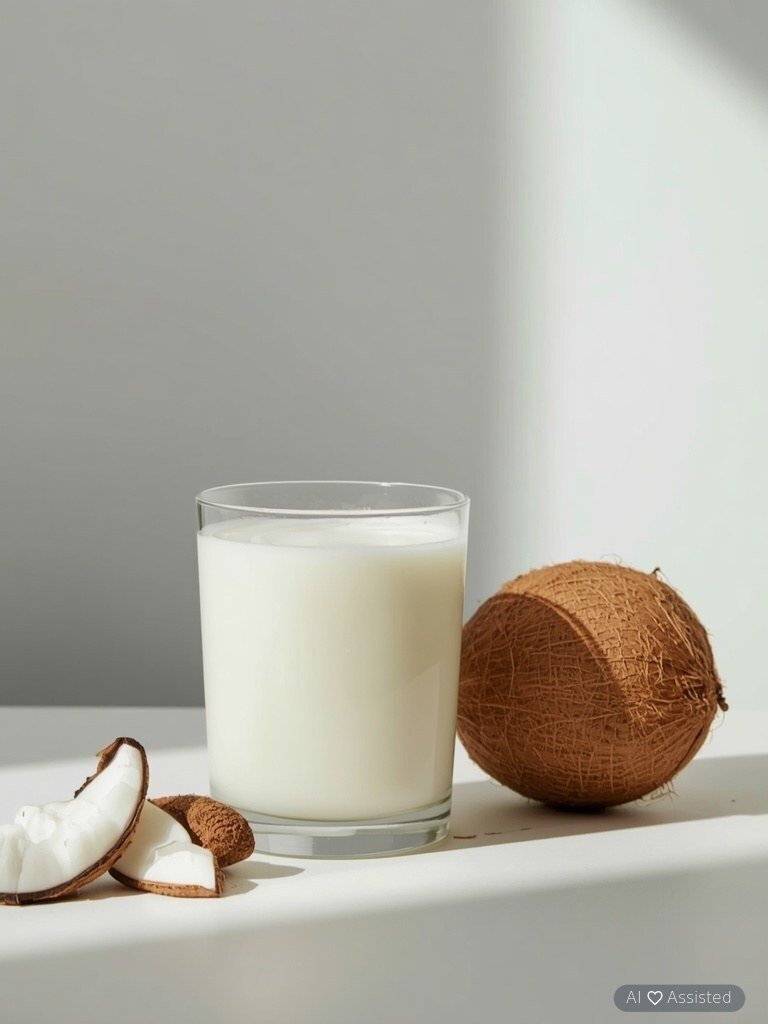
Coconut milk, frequently confused with clear coconut water, is a velvety, rich liquid produced by blending and pressing the white flesh of mature coconuts with water. An indispensable staple of Southeast Asian gastronomy, it forms the backbone of aromatic curries and soups, while serving as a valued dairy-cream alternative in vegan cooking. Understanding its distinct fatty acid composition, physiological advantages, and clinical contraindications is essential for integrating it mindfully into a balanced dietary regimen.
Coconut Milk – Nutritional Properties and Composition
Coconut milk is crafted from the grated, pressed pulp of ripe coconuts blended with water. Being entirely plant-based, it is naturally free from lactose and bovine dairy proteins, rendering it suitable for vegans and individuals with dairy intolerances.
Its nutritional hallmark is its substantial lipid concentration: standard canned culinary coconut milk contains 17% to 24% fat, yielding roughly 180–230 kcal per 100 ml. Saturated fatty acids account for approximately 90% of total fat content. A significant portion consists of medium-chain triglycerides (MCTs), primarily lauric acid, which are metabolized somewhat differently by hepatocytes than long-chain saturated fats.
Protein and carbohydrates are modest, typically around 2 g per 100 ml each. Coconut milk also delivers trace minerals including potassium, magnesium, phosphorus, and iron. Pure artisanal varieties naturally separate at lower temperatures into a solid coconut cream layer and a clear aqueous phase, which indicates the absence of artificial emulsifiers.
Is Coconut Milk Healthy? Weighing the Benefits
The health impact of coconut milk hinges upon an individual's metabolic profile, cardiovascular risk status, and overall caloric balance. In physically active individuals with normal blood lipid levels, it represents a satisfying, nutrient-dense energy resource.
Noteworthy health attributes include:
- Antimicrobial properties of lauric acid: Metabolized into monolaurin, a bioactive monoglyceride with documented antibacterial and antiviral actions;
- Rapidly accessible MCT energy: Medium-chain fatty acids bypass conventional lymphatic absorption, offering readily oxidizable fuel;
- Hypoallergenic profile: Complete absence of dairy casein, whey, and lactose, easing gastrointestinal comfort in sensitive individuals.
Contraindications and Risks: Who Should Restrict Coconut Milk?
Despite its culinary appeal, coconut milk demands clinical caution under several physiological conditions, primarily due to its saturated lipid concentration and caloric density:
- Dyslipidemia and cardiovascular conditions: Saturated fats in coconut can elevate circulating LDL-cholesterol levels in hyper-responders; monounsaturated plant oils (such as extra virgin olive oil) should be prioritized;
- Pancreatic and hepatobiliary disorders: Chronic pancreatitis or cholelithiasis necessitates strict dietary lipid restriction to prevent biliary colic and exocrine insufficiency;
- Caloric deficit and weight management: Due to high caloric concentration, unmeasured portions can quickly compromise dietary adherence;
- Rare coconut protein allergies: Requiring immediate elimination in diagnosed cases to prevent IgE-mediated allergic reactions.
Coconut Milk in Male and Female Dietary Strategies
Metabolic pathways of coconut lipid processing are fundamentally identical across sexes, yet coconut milk serves tailored purposes within distinct dietary frameworks.
In athletic populations engaged in intensive resistance or endurance training, coconut milk serves as a functional, calorically dense component in post-exercise meal recovery, facilitating energetic repletion. For expectant and nursing women, moderate intake supplies trace iron and folates within a varied whole-food framework, provided lipid panels remain within normal ranges. In vegan gastronomy, it replicates dairy texture without synthetic additives.
Recommended Daily Intake: How Much Coconut Milk is Safe?
Culinary coconut milk should be viewed as a cooking fat and culinary condiment rather than an everyday thirst-quenching beverage.
For healthy adults, an evidence-based guideline is 50 to 100 ml (approximately 1/4 to 1/2 cup) once or twice weekly within a prepared dish. For routine hydration or lightening coffee, fortified low-fat plant milks (such as unsweetened almond, oat, or soy drinks enriched with calcium and vitamin D) represent a far lighter, cardiometabolically favorable option.
How to Make Homemade Coconut Milk: Step-by-Step Guide
Making artisanal coconut milk at home ensures a pristine product free of stabilizers, thickeners, or packaging contaminants. Two straightforward methods can be used:
Method 1: From Fresh Coconut Pulp
- Crack open a fresh mature coconut, reserve the internal water, and carefully pare the white kernel away from the outer brown husk.
- Chop the flesh into small cubes, transfer to a high-speed blender with 500 ml of hot water, and blend on maximum speed for 2 minutes.
- Strain through a fine cheesecloth or nut milk bag, squeezing thoroughly into a clean glass container.
Method 2: From Unsweetened Desiccated Coconut Shreds
- Soak 1 cup of unsweetened dried coconut shreds in 3 cups of hot water (80°C) for 10 minutes.
- Blend vigorously for 2 to 3 minutes, then strain through cheesecloth.
The residual dried fibrous pulp can be dehydrated in an oven to yield homemade gluten-free coconut flour.
Culinary Uses and Wholesome Recipes
Coconut milk harmonizes exceptionally with warming spices—ginger, turmeric, lemongrass, and chili—moderating their sharpness while contributing luxurious mouthfeel.
Featured Recipe: Golden Anti-Inflammatory Mango-Turmeric Elixir
- 150 g frozen diced mango
- 100 ml light coconut milk
- 150 ml coconut water or chilled herbal tea
- 1/2 teaspoon ground turmeric plus a tiny pinch of black pepper (piperine enhances curcumin bioavailability up to 2000%)
- 1 teaspoon freshly squeezed lime juice
Blend all ingredients until completely smooth. Coconut milk also performs outstandingly as the base for vegetable yellow curries, red lentil stews, and roasted pumpkin veloutés.
Want to apply these guidelines in your daily diet?
Our smart diet generator creates a tailored meal plan in 3 minutes based on the recommendations in this article.

Literatura: Jessa, Justyna, and Kamil K. Hozyasz. „Wartość zdrowotna produktów kokosowych.” Pediatria Polska 5 (2015): 415–423.
Diets Premium Expert
Diets Premium team expert. Specializes in nutrition plans, strength sports, and training plans.