Ways to use Spanish sage seeds in weight loss – effects and practical applications
Table of Contents 4
Medical & Editorial Disclaimer (§3 Terms): This article is for informational and educational purposes only, does not constitute medical advice, diagnosis, or treatment, and is used at your own risk. Consult a qualified physician for medical conditions.
The beneficial effects of chia seeds stem from the formation of a viscous hydrogel within the digestive tract. This gel delays gastric emptying and modulates the secretion of hormones that regulate appetite, such as ghrelin, GLP-one, and peptide YY. This leads to a sustained feeling of fullness and can help in curbing cravings.
To optimally harness the benefits of chia seeds, they should be integrated thoughtfully into a balanced diet. It is advisable to consume them in moderate quantities and ensure adequate hydration to prevent potential digestive discomfort. Chia seeds can be versatilely used in dishes like puddings or as a thickening agent, supporting satiety without excessively increasing caloric intake.
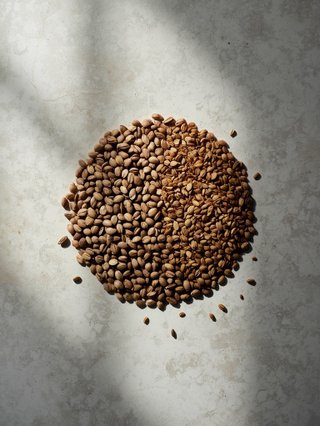
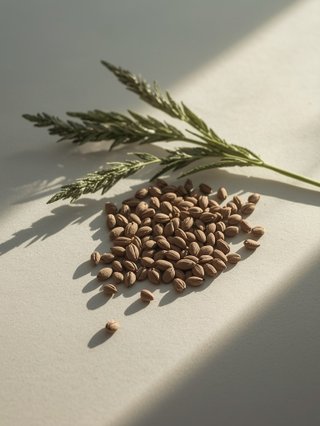
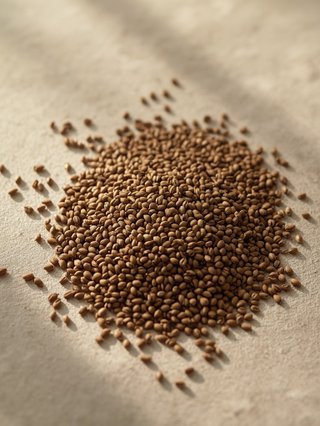
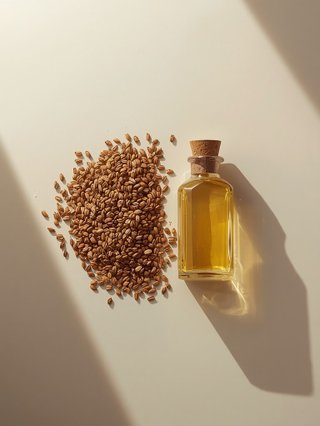
Chia seeds (Salvia hispanica) are widely utilized as an adjunct in medical weight management. Despite an intrinsic energy density of approximately 486 kcal per 100 g, their unique physicochemical matrix – marked by viscous dietary fiber, plant protein, and omega-3 fatty acids – modulates neuroendocrine satiety cascades and postprandial glucose dynamics.
Biophysical Satiety Mechanisms: Hydrogel Formation and Gastric Emptying Delay
The core weight-loss mechanism of chia seeds stems from their soluble mucilaginous fiber fraction. Upon contact with gastrointestinal secretions, it yields a high-viscosity hydrogel:
- Vagal mechanoreceptor activation: Expanded gel volume creates gastric distension, triggering vagal afferents that communicate sustained satiety cues to hypothalamic nuclei.
- Decelerated gastric transit: The gel layer retards digestive enzyme diffusion, mitigating acute postprandial glucose surges and attenuating reactive hyperinsulinemia.
Endocrine Modulation of the Gut-Brain Axis: Ghrelin, GLP-1, and PYY
Nutritional investigations into viscous dietary fiber confirm that consistent chia ingestion positively alters gut peptide secretion:
- Ghrelin suppression: Prolonged gastric retention sustains prolonged postprandial suppression of circulating ghrelin ('the hunger hormone').
- Stimulation of GLP-1 and PYY: Colonic fermentation of chia polysaccharides into short-chain fatty acids (SCFAs, especially propionate and butyrate) triggers neuroendocrine L-cells to release GLP-1 and peptide YY.
Clinical Dosing Protocols and Practical Culinary Integration
To capitalize on chia seeds without inadvertently overshooting daily caloric thresholds, strict dietary guidelines should be maintained:
- Optimal daily dose: 10–15 g per day provides ~50–70 kcal, ~4 g dietary fiber, and ~2.5 g ALA, fitting neatly into hypocaloric meal plans.
- High-protein chia pudding: Soaking 15 g chia in 100 ml unsweetened almond milk or kefir with 15 g protein isolate and berries yields a low-glycemic satiety snack.
- Clean culinary thickening: Pre-hydrated chia seeds serve as a nutrient-dense alternative to refined flour or roux in soups and sauces.
Summary of Clinical Evidence and Common Dietary Pitfalls
Chia seeds are not an autonomous fat-burning agent; weight loss strictly demands an overarching negative energy balance. However, they serve as a powerful compliance-enhancing tool.
- Common mistakes: Consuming excessive quantities (e.g., 50 g/day adds ~240 kcal), offsetting the caloric deficit, alongside insufficient hydration leading to constipation.
- Clinical conclusion: Implement chia as a satiety-promoting component within an evidence-based lifestyle modification program encompassing deficit control and physical training.
Want to apply these guidelines in your daily diet?
Our smart diet generator creates a tailored meal plan in 3 minutes based on the recommendations in this article.

Katarzyna Mazur
• 23.10.2026Diets Premium Expert
Diets Premium team expert. Specializes in nutrition plans, strength sports, and training plans.