Chinese soup - ingredients, calories, health and pregnancy impact
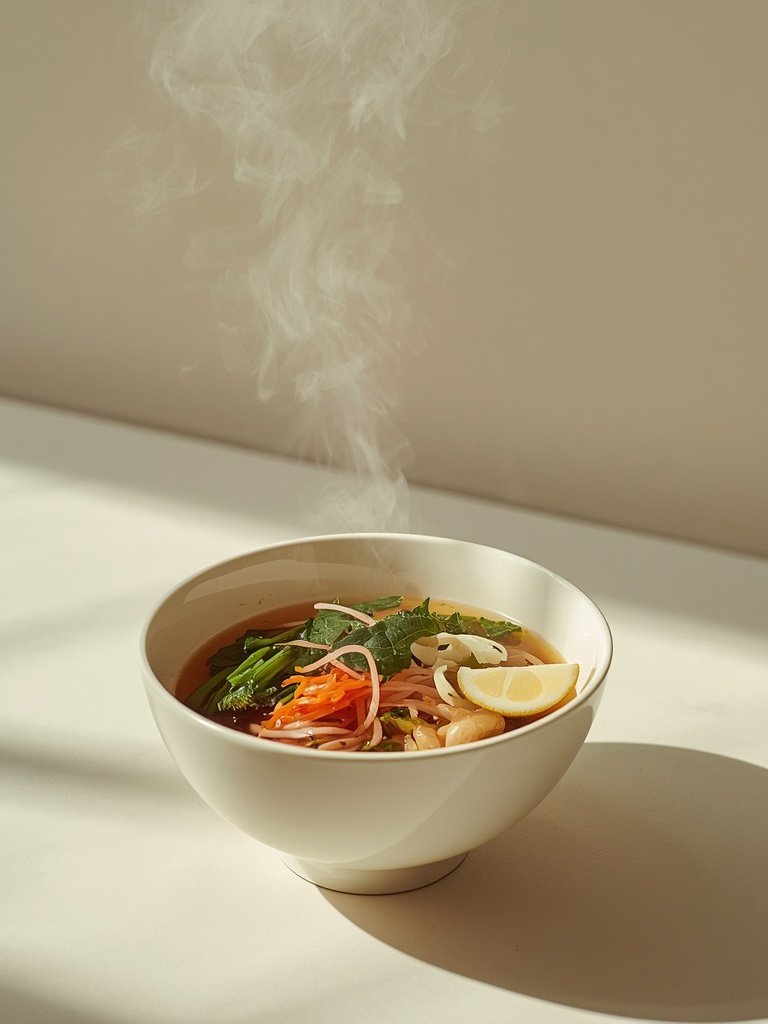
Table of Contents 5
Medical & Editorial Disclaimer (§3 Terms): This article is for informational and educational purposes only, does not constitute medical advice, diagnosis, or treatment, and is used at your own risk. Consult a qualified physician for medical conditions.
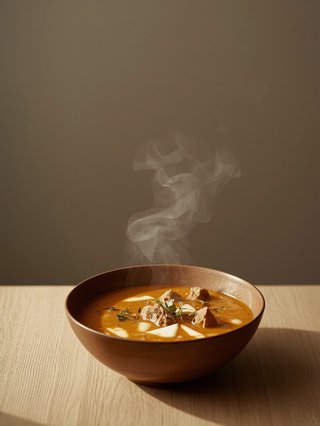
Physiologically, these soups impact the body through a complex blend of hardened fats, modified starches, and synthetic enhancers. Instead of providing the vitamins found in fresh ingredients, they rely on simple sugars and additives that can trigger digestive issues, fatigue, and hormonal disruptions when consumed frequently. The absence of fiber and high-quality protein, combined with an overreliance on flavorings and colorants, means the body receives metabolic stress rather than the restorative energy typically associated with traditional soups.
Practical guidance suggests a strict avoidance of these instant meals, particularly during pregnancy and breastfeeding, due to the risk of additives crossing the placental barrier and affecting fetal motor development. To maintain optimal health, it is advisable to replace these processed options with whole-food alternatives and natural broths. Prioritizing fresh vegetables and unrefined ingredients ensures the body receives the necessary nourishment without the detrimental effects of artificial sweeteners and chemically altered fats.
This article is professional premium content (PRO) provided in its entirety.
Instant Chinese soup
Ingredients of Chinese Soup – What’s Inside?
Chinese Soup: Nutritional Profile and Caloric Content
Chinese Soup and Health Risks
Chinese soup – pregnancy risks
Want to apply these guidelines in your daily diet?
Our smart diet generator creates a tailored meal plan in 3 minutes based on the recommendations in this article.

mgr Mateusz Pawlak
• 25.09.2026Diets Premium Expert
Diets Premium team expert. Specializes in nutrition plans, strength sports, and training plans.