Key Takeaways
While true miracle diets do not exist, certain dietary approaches can provide valuable inspiration for optimizing our daily nutrition, which is why exploring concepts centered around calorie balance has gained significant attention. This perspective encourages incorporating fresh plant-based foods into everyday meals to support a balanced lifestyle and promote overall wellness.
From a physiological standpoint, certain fresh foods require the body to expend effort during digestion while simultaneously supplying beneficial components such as fiber and various natural compounds. Ingredients like blueberries, for instance, contribute essential nutrients that help support metabolic processes and protect the body from internal stressors.
For practical daily implementation, it is advisable to focus on increasing the intake of fresh vegetables and fruits as part of a varied and wholesome diet. Adopting these habits gradually allows individuals to maintain a balanced approach to nutrition, supporting long-term health goals through mindful food choices rather than restrictive measures.
There are no such things as miracle diets, but certain approaches can provide valuable inspiration for optimizing your diet. That’s why it’s worth exploring the concept that has gained significant attention - foods with a negative calorie balance.
02 / 02
Negative calorie products
Here is a list of 10 products containing "negative" calories:
Watermelon
Watermelon is made up of 92 percent water! It is an extremely low-calorie fruit (it has 36 kcal per 100 grams). Since it is made up of 92 percent water, it has diuretic properties. This allows for improved metabolism and accelerates the removal of toxins from the body. Furthermore, watermelon contains citrulline. This is an enzyme that speeds up fat burning. Watermelon is a source of fiber, vitamin C, and B vitamins: B1, B2, B3, B6, folic acid, and beta-carotene. It also contains calcium and potassium, essential for building bones, hair, and nails, as well as magnesium, phosphorus, and sodium. Due to its low sugar content, it is an ideal fruit for diabetics. Watermelon contains the anti-cancer agent lycopene and glutathione, as well as the already mentioned citrulline, which strengthens immunity. Additionally, watermelon juice improves skin appearance by acting astringently and toning. Pineapple
Pineapple supports weight loss and adds vitality. It is one of the most popular fruits containing so-called negative calories. One slice of the fruit contains 43 kcal. This is mainly due to the bromelain it contains, an enzyme that breaks down proteins into amino acids. Bromelain supports weight loss, accelerates the removal of toxins from the body, has anti-inflammatory effects, and prevents cardiovascular diseases. Pineapple also contains biotin, which supports the carbohydrate reduction process and stabilizes blood glucose levels. Biotin contains sulfur, which supports hair and nail regeneration. Pineapple also has a lot of fiber. It should be remembered that raw pineapples contain substances that aid in weight loss. Canned ones not only lack these properties but are also much more caloric. Grapefruit
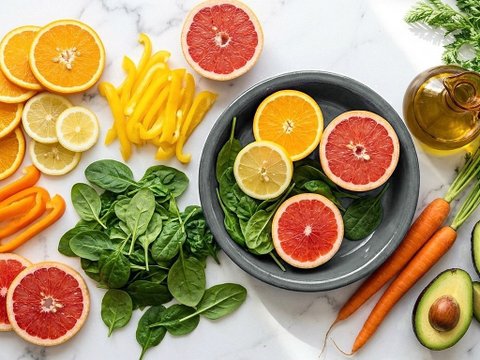
Grapefruit regulates cholesterol levels and prevents heart disease. This sweet-sour fruit is mostly water – about 90%. Half of the yellow variety of this citrus fruit contains less than 50 kcal, and a whole red grapefruit has 109. It also contains a lot of fiber (about 2 grams per 100 grams of fruit, while one large red grapefruit, weighing about 250 grams, contains over 4 grams of fiber). The pectins contained in it have the ability to swell in the digestive tract, maintaining a feeling of fullness for a long time, but they also regulate cholesterol levels and prevent heart disease. Grapefruit speeds up metabolism, regulates digestion, supports bowel function, and lowers blood sugar levels. Even a few slices or its juice stimulate, which is why it is recommended to consume it in the morning or during the day when there is a general drop in energy. The lycopene in it prevents cancer and cardiovascular diseases, and the strong antioxidants reduce the risk of certain cancers, including stomach, colon, and lung cancer. Melon
Melon is a valuable source of vitamin C and beta-carotene. Its low calorie content (half a yellow melon is just over 100 calories), high content of fiber and water (over 80%), and fat-burning properties make melon often an ingredient in diets aimed at weight loss. It also contains a lot of fiber and citrulline, which accelerates fat burning. It also supports the immune system and contributes to faster removal of ammonia from the body. This fruit is also a valuable source of vitamin C, beta-carotene, and potassium, magnesium, and fluorine. Broccoli
Broccoli protects against cancer, stomach ulcers, and anemia. In a negative calorie diet, let's not forget broccoli. A serving of broccoli contains about 30 kcal (the whole head has about 130 kcal), and is rich in protein and fiber. 200 grams of broccoli completely covers the daily requirement for vitamin C. This green vegetable also contains vitamins A, B1, B2, and PP, as well as phosphorus, iron, sulfur, and potassium. It is one of the vegetables most valued for its protection against tumors. These vegetables owe their properties to the presence of sulforaphane, beta-carotene, and chlorophyll, which is extremely important for the human body. These vegetables should also be eaten by people at risk of hypertension, atherosclerosis, and high cholesterol. The calcium contained in them affects the structure of healthy bones, and vitamins A and C give the skin a glow and support fat burning. Lettuce
Lettuce is attributed with anti-cancer properties. One leaf of butter lettuce is 1 kcal and 0.1 grams of fiber. Iceberg lettuce is slightly heavier – one leaf has approx. 6 kcal and 0.5 grams of fiber. Both lettuces, thanks to the presence of fiber, improve bowel function and accelerate metabolism. But be careful, when we talk about the "slimming" effect of this vegetable and eating it without limits, we are only referring to cases where it is not dressed with caloric additions such as mayonnaise, sour cream, or Greek yogurt. Even olive oil contains a lot of calories, so it is recommended not to add more than 2 – 3 tablespoons to the salad. This green vegetable contains B vitamins, and also has a lot of vitamins E and C, as well as potassium, iron, magnesium, calcium, and manganese. Thanks to its high water content (almost 90%), it has a refreshing effect. It also has anti-cancer properties due to the presence of strong antioxidants, including lutein and zeaxanthin. Celery stalks
Celery is low in calories, has a calming effect, and cleanses the body. Celery provides a minimal number of calories: 100 grams of this vegetable has 13 kcal (an entire celery stalk ready to eat is about 52 kcal). Furthermore, burning it requires more calories than it contains. Celery is an excellent source of fiber (there are 1.8 g in 100 grams, and over 7 g in an entire stalk), which helps eliminate the urge to snack during diets. Moreover, it hydrates the body well, consisting of about 75% water. It is also a good source of antioxidants and fiber, which support metabolism and natural detoxification processes.
Want to apply these guidelines in your daily diet?
Our smart diet generator creates a tailored meal plan in 3 minutes based on the recommendations in this article.