Chicken breast fillet – nutritional profile and role in the diet
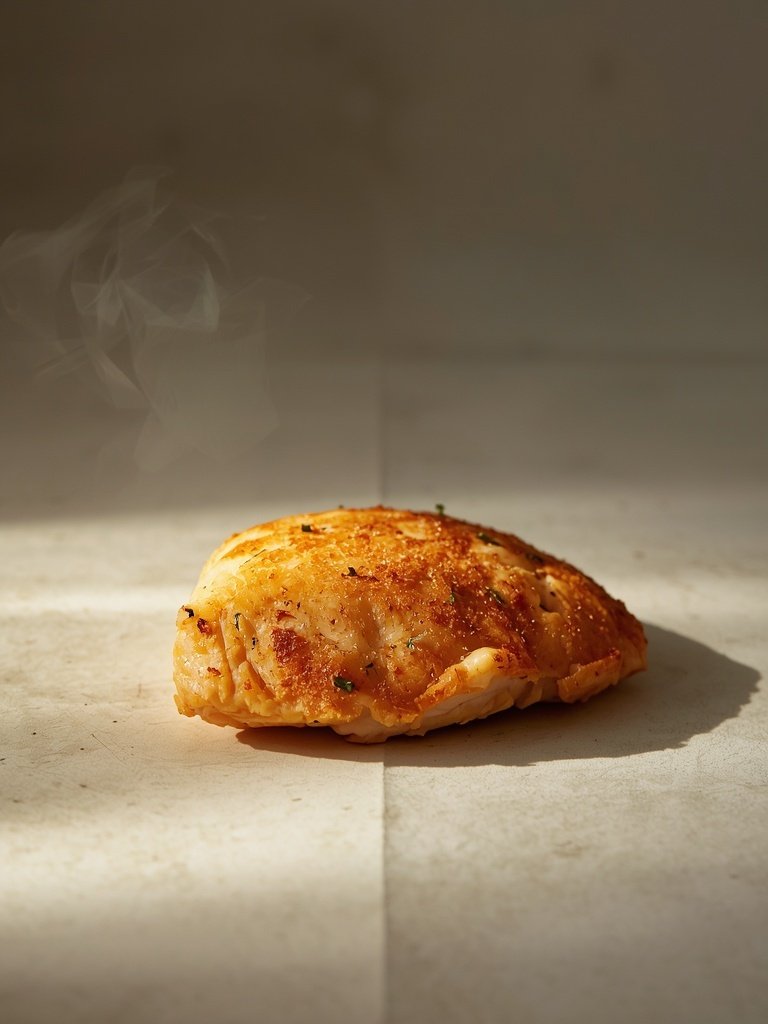
Table of Contents 3
Medical & Editorial Disclaimer (§3 Terms): This article is for informational and educational purposes only, does not constitute medical advice, diagnosis, or treatment, and is used at your own risk. Consult a qualified physician for medical conditions.
The physiological value of chicken breast lies in its complete exogenous amino acid profile, which features high biological availability. The presence of essential branched-chain amino acids directly stimulates key metabolic pathways responsible for muscle protein synthesis. Due to its minimal connective tissue content, this meat promotes rapid gastric emptying and gentle digestion. Furthermore, it serves as an exceptional source of essential B-complex vitamins, particularly niacin and pyridoxine, which are vital for cellular energy metabolism, neurotransmitter synthesis, and cardiovascular stability.
To maximize these physiological benefits, proper culinary technique is essential. Gentle preparation methods such as steaming, parchment baking with fresh herbs and lemon, or low-temperature precision cooking preserve both delicate micronutrients and moisture content. Avoiding high-heat frying prevents the formation of undesirable thermal oxidation products, making thoughtfully prepared chicken breast a versatile cornerstone of a health-conscious lifestyle.
Skinless chicken breast fillet represents a premier source of lean dietary protein in clinical and athletic nutrition. It features a complete exogenous amino acid profile, minimal total lipid content, and abundant B-complex vitamins, notably niacin (B3) and pyridoxine (B6). This guide examines its nutritional profile and explores the impact of culinary techniques on digestibility and tenderness.
Protein Architecture and Essential Amino Acids in Chicken Breast
Raw skinless chicken breast provides roughly 21.5–23 g of high-biological-value protein per 100 grams, with a Protein Digestibility Corrected Amino Acid Score (PDCAAS) approaching 1.0. It delivers all nine essential amino acids in proportions ideally suited for human tissue synthesis, including branched-chain amino acids (BCAA: leucine, isoleucine, valine) that trigger muscle protein synthesis via the mTORC1 pathway. Minimal connective tissue collagen ensures rapid gastric emptying and gentle digestive assimilation.
Caloric Density, Lipid Fractions, and B-Complex Micronutrients
A 100-gram portion of raw chicken breast contains only 95–105 kcal alongside 1.2–1.5 g of lipids, dominated by unsaturated fractions. It is naturally carbohydrate-free and presents modest cholesterol concentrations (55–60 mg/100 g). From a micronutrient standpoint, it serves as an exceptional source of niacin (vitamin B3, fulfilling over 70% of the RDA per 100 g) and pyridoxine (vitamin B6), vital for energy metabolism, neurotransmitter synthesis, and cardiovascular homeostasis.
Culinary Preparation: Sous-Vide, Steaming, and Gentle Baking for Moisture Retention
Preserving the moisture and nutritional integrity of chicken breast hinges on controlling thermal protein denaturation. Deep frying or high-heat searing can triple caloric density and generate harmful heterocyclic aromatic amines (HCAs). Evidence-based culinary recommendations prioritize sous-vide cooking (at 63–65°C), gentle steaming, or parchment en papillote baking with fresh herbs (rosemary, thyme) and lemon, retaining native juices, micronutrients, and tender texture.
Want to apply these guidelines in your daily diet?
Our smart diet generator creates a tailored meal plan in 3 minutes based on the recommendations in this article.
Tags

piersi kurczaka, aby mieć pewność, że kupujemy produkt dobrej jakości. Świeżego mięsa nie można przechowywać dłużej niż dwa dni w lodówce. Można je również zamrozić. Kurczak to mięso mające wiele zastosowań. Doskonale sprawdzi się jako potrawa z grilla. Równie dobrze przygotowywać go można w różnorodnych marynatach . Sprawdzi się jako składnik sosu, a także jako dodatek do sałatki, na przykład cezar. Kurczak to rodzaj mięsa, który nie potrzebuje długotrwałej obróbki termicznej. Wystarczy chwila gotowania na parze, by zaczął zachwycać smakiem i aromatem. Dobrze absorbuje on wszystkie przyprawy, jakie są do niego dodawane, dzięki czemu zyskuje całkiem nową jakość.
Diets Premium Expert
Diets Premium team expert. Specializes in nutrition plans, strength sports, and training plans.