Cereal bran (byproducts of grain milling) – production technology, nutritional profile, properties, and classification
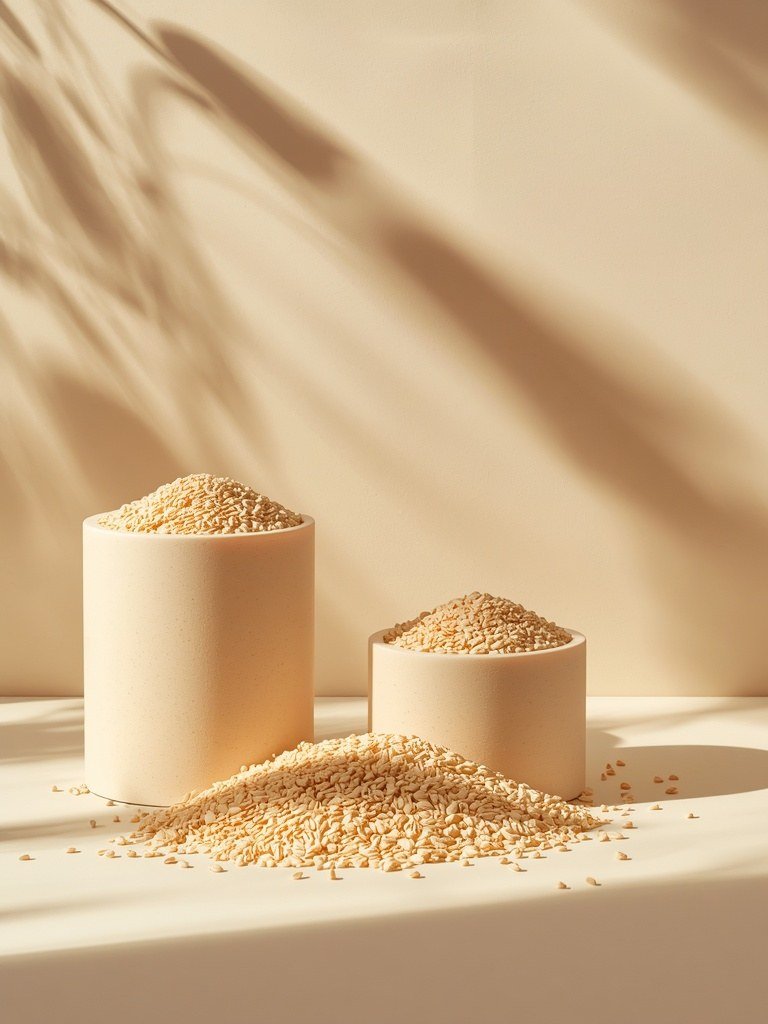
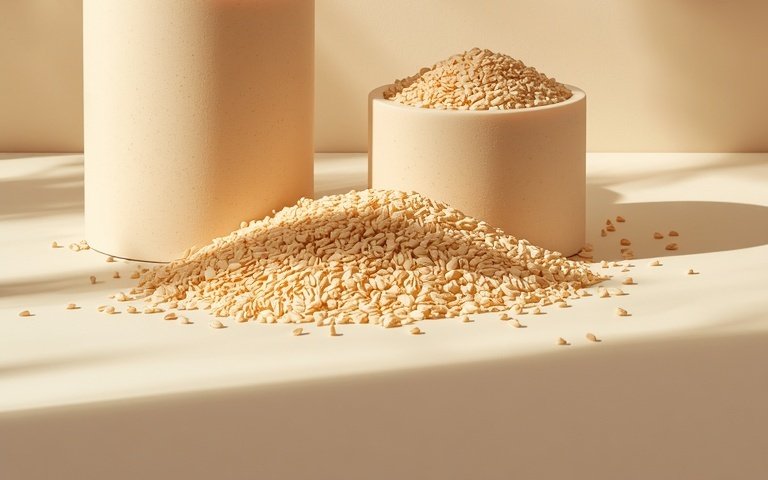
Table of Contents 4
Medical & Editorial Disclaimer (§3 Terms): This article is for informational and educational purposes only, does not constitute medical advice, diagnosis, or treatment, and is used at your own risk. Consult a qualified physician for medical conditions.
The biological value of cereal bran extends well beyond simple roughage. It harbors a concentrated complex of essential minerals—including magnesium, phosphorus, zinc, iron, and potassium—alongside important B-complex vitamins, antioxidant compounds, and beneficial fatty acids. These bioactive constituents work synergistically to stimulate intestinal motility, shorten transit duration, and nourish the gut microbiome via prebiotic pathways. Furthermore, dietary fiber components in bran bind bile acids and delay glucose absorption, which directly contributes to healthier lipid profiles and smoother postprandial blood sugar responses.
Different grain sources yield bran varieties with distinct nutritional and functional properties. Wheat bran features an exceptionally high concentration of insoluble fibers with strong water-binding capacity, rye bran offers a unique mineral matrix, and oat bran provides soluble beta-glucans clinically recognized for supporting normal blood cholesterol balance. Alternating between these diverse bran types in foods like yogurts, cereals, or baked goods provides an accessible, practical strategy to increase satiety, assist with weight management, and proactively support cardiovascular and metabolic wellness.
This frequently overlooked byproduct generated during the transformation of cereals into flour represents a valuable reservoir of essential nutrients required by the human body to sustain optimal physiological function. Beyond the fibrous fraction—a critical component that promotes healthy intestinal motility and supports gut microbiome equilibrium—these industrial residuals contain substantial quantities of micro- and macronutrients, a spectrum of B-complex vitamins, and antioxidant compounds. Systematic incorporation of these residues into dietary patterns may contribute to mitigating the risk of metabolic disorders, including hypercholesterolemia, hypertension, and insulin resistance, while also facilitating weight management through enhanced satiety perception coupled with relatively low caloric density.
The production process and the origin of cereal byproducts
Cereal byproducts such as bran are generated as a result of the mechanical cleaning and milling of cereal grains during flour and groat production. They essentially represent the outer layers of the grain—the fruit and seed coats, along with the aleurone layer. During the industrial milling process, these nutrient-dense peripheral layers are separated from the starchy endosperm to produce refined flour. What was once considered mere waste is today a valuable raw material for functional nutrition, purposefully utilized in both the food industry and animal feed formulation due to its complex composition.
Nutritional profile and bioactive constituents
The nutritional significance of cereal bran extends far beyond its crude fiber content. The outer layers of the grain are exceptionally rich in minerals such as magnesium, phosphorus, zinc, iron, and potassium, as well as B-complex vitamins (particularly thiamin, niacin, and pyridoxine). Furthermore, they contain valuable phytochemicals, antioxidants, and minor quantities of unsaturated fatty acids. This unique combination makes them an outstanding supplement for a wholesome, nutrient-dense diet aimed at preventing micronutrient deficiencies.
Health properties and physiological effects
The high content of insoluble and soluble dietary fiber in cereal byproducts exerts a profound influence on the human body. They stimulate intestinal motility, shorten transit time, and support the proliferation of a healthy gut microbiota through prebiotic mechanisms. Clinical studies also confirm their ability to bind bile acids, thereby regulating blood cholesterol levels and reducing cardiovascular risk. Furthermore, they assist in glycemic control by delaying glucose absorption in the small intestine.
Variety classification and practical comparison of cereal brans
Various types of bran are available on the market, differing significantly in their nutritional profiles and technological properties. While wheat bran boasts an exceptionally high fiber content and strong water-binding capacity, rye bran is characterized by a specific mineral composition. Oat bran, on the other hand, scores higher in soluble beta-glucans, which are clinically proven to help maintain normal blood cholesterol levels. Rotating between these different varieties ensures optimal nutrient diversity.
Want to apply these guidelines in your daily diet?
Our smart diet generator creates a tailored meal plan in 3 minutes based on the recommendations in this article.
Tags

Sophia Williams
Diets Premium Expert
Diets Premium team expert. Specializes in nutrition plans, strength sports, and training plans.