4 min read
Cat’s Claw – Features, Uses, Cost, Reviews
1 photo
816
Smart Voice
AI
0:00
0:00
Listen to the article content live
Table of Contents 5
Dubbed by some as the „root of life“, the fluffy, enveloping cat's claw has found widespread use in medicine, including traditional medicine. Its immunostimulating, anti-inflammatory, and antioxidant properties make it used in the treatment of many ailments. Should one apply cat's claw in the case of specific diseases and is it worth incorporating this plant into your supplement regimen?
01 / 05
Uncaria tomentosa ("cat’s claw"): A vine of ethnomedicinal significance from Central and South American rainforests
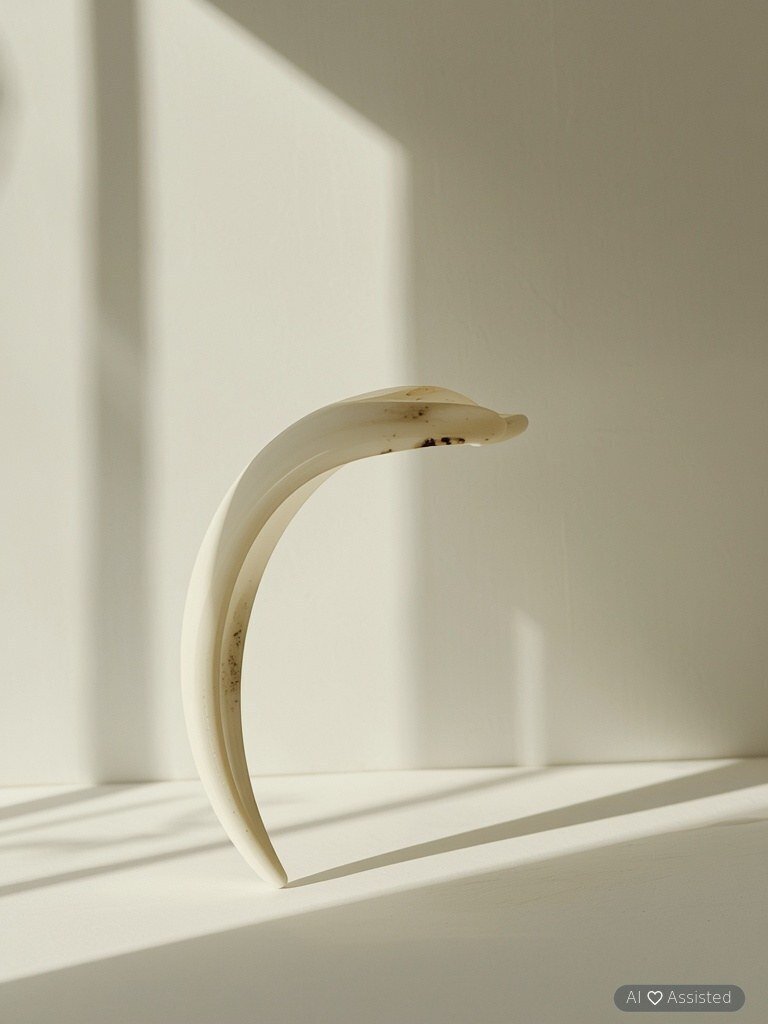
*Uncaria tomentosa*, commonly referred to as "cat’s claw," is a botanical species classified within the *Rubiaceae* family, indigenous to the rainforest biomes of Central and South America. For generations, it has occupied a prominent position in the ethnomedical practices of indigenous populations, where it is prized for its broad spectrum of putative health-promoting attributes. In its native environment, the plant manifests as a robust, woody vine—technically a liana—capable of attaining lengths of approximately sixty meters, distinguished by its thick, lignified stems. The colloquial designation "cat’s claw" derives from the plant’s signature thorny protuberances, which exhibit a curved, claw-like morphology along its branching structures. Therapeutically, the primary botanical materials harvested for medicinal applications are the root and bark of *Uncaria tomentosa*, both of which constitute well-documented herbal remedies with established uses across diverse domains of complementary and alternative medicine [1].
02 / 05
Therapeutic properties and pharmacological effects of *Uncaria tomentosa* (cat’s claw)
*Uncaria tomentosa*, commonly referred to as cat’s claw, is a botanical source rich in bioactive compounds, including tetra- and pentacyclic oxindole alkaloids, triterpenoid saponins, phenolic acids, flavonoids (such as quercetin), and condensed tannins [1]. These phytochemical constituents exert multifaceted effects on human physiology, positioning cat’s claw as a versatile therapeutic agent in natural medicine. Its primary properties include: **immunomodulatory activity** – by enhancing macrophage phagocytic function, increasing populations of T lymphocytes (including cytotoxic and NK cells), and stimulating mucosa-associated lymphoid tissues (GALT and MALT), thereby fortifying mucosal immunity, particularly within the gastrointestinal tract; **adjunctive support in infectious disease treatment** – demonstrated efficacy against HIV-1 and *Borrelia burgdorferi* suggests potential as a complementary agent in conventional therapies for chronic infections [2]; **adaptogenic benefits** – improves the body’s resilience to oxidative and psychophysical stress through cortisol regulation and enhanced environmental resistance; **gastroprotective and regenerative effects** – owing to its detoxifying and anti-inflammatory properties, it may aid in managing Crohn’s disease, nonspecific intestinal inflammations, diverticulosis, hemorrhoids, and peptic ulcers; **cognitive enhancement** – animal studies indicate that cat’s claw alkaloids may mitigate memory deficits induced by amnestic agents [3]; **anti-inflammatory action** – polyphenolic compounds in the plant suppress inflammatory mediators, which is particularly relevant in chronic joint inflammation [5, 6, 7]; **rheumatoid symptom relief** – clinical observations in rheumatoid arthritis patients revealed a ~50% reduction in tender joint count and decreased pain intensity [4]; **respiratory support** – bronchodilatory and vasodilatory effects may alleviate asthmatic symptoms; **antioxidant protection** – procyanidins and other antioxidants neutralize free radicals, safeguarding cells from oxidative damage [8, 9, 10]; **potential oncological support** – aqueous extracts inhibit tumor cell proliferation (e. g., breast cancer) and exhibit antimutagenic properties, offering a possible adjunct to conventional cancer therapies [11].
03 / 05
Therapeutic potential and clinical applications of cat’s claw (*Uncaria tomentosa*) in complementary medicine
Uncaria tomentosa, commonly referred to as cat’s claw, exhibits a broad spectrum of biological activities that position it as a valuable adjunct to conventional medical treatments. Its bioactive compounds—including alkaloids, glycosides, and polyphenols—demonstrate well-documented immunomodulatory properties, rendering it a viable supportive agent in antiretroviral therapies, particularly in the context of HIV infections and other immunodeficiency conditions. Furthermore, findings from numerous clinical trials corroborate its efficacy in alleviating symptoms of autoimmune rheumatic diseases, such as rheumatoid arthritis and systemic lupus erythematosus. Additionally, cat’s claw functions as an adaptogen, meaning it assists the body in coping with oxidative stress and physiological overload—both mental and physical—thereby making it a recommended supplementary measure during intensive oncological treatments, including chemotherapy, where it may mitigate certain adverse effects. Its prokognitive properties, which exert a beneficial influence on cognitive function, further expand the scope of its potential clinical applications.
04 / 05
Uncaria tomentosa (cat’s claw): current market pricing and available formulations in herbal commerce
The botanical material commonly referred to as cat’s claw—scientifically designated *Uncaria tomentosa*—is commercially available in multiple preparatory forms. Among the most prevalent is the dried and fragmented bark, which serves as the foundational component for preparing infusions or decoctions purported to offer supportive benefits. The approximate retail cost for a 50-gram quantity of this herbal substrate hovers around eight Polish złoty. Additionally, the extract derived from *Uncaria tomentosa* is marketed in standardized oral capsule formulations, with pricing subject to variation based on several determinants, including manufacturer reputation, capsule count per package, and the declared concentration of bioactive compounds per individual dose. The median expense for a batch of one hundred such capsules typically falls within the range of thirty złoty, though it is important to note that price points may exhibit substantial fluctuations depending on the supplier and product specifications.
05 / 05
Uncaria tomentosa (Cat’s Claw): User Reviews and Health-Related Experiences
Uncaria tomentosa, commonly referred to as cat’s claw, has long been a staple in traditional natural medicine and, with the advent of scientific research into its properties, has increasingly found application in conventional medical practices as well. Much like the majority of botanical remedies, its effects are gradual rather than immediate, meaning that observable benefits from supplementation may only become apparent after a sustained period of consistent use. Furthermore, to optimize its potential health advantages, this supplement should be integrated as part of a balanced dietary regimen and a healthy lifestyle. Prior to commencing supplementation, however, it is critical to verify the absence of any contraindications—particularly for individuals who are breastfeeding, have undergone organ transplants, or are taking anticoagulant medications. If no such restrictions apply, it may be worthwhile to incorporate Vilcacora into one’s daily routine, especially in cases of ailments for which its efficacy has been substantiated through clinical research.
Meal Plan
Want to apply these guidelines in your daily diet?
Our smart diet generator creates a tailored meal plan in 3 minutes based on the recommendations in this article.

Scientifically reviewed by a clinical dietitian
• 25.09.2026
Literatura: Różański H. Uncaria tomentosa (Willdenow) De Candolle – czepota puszysta w fitoterapii. Dostęp online: http://rozanski.li/2021/uncaria-tomentosa-willdenow-de-candolle-czepota-puszysta-w-fitoterapii/ Muhammad I. et al . Investigation of Una de Gato I. 7-Deoxyloganic acid and N NMR spectoscopic studies on pentacyclic oxindole alkaloids from Uncaria tomentosa . Phytochem. 57:781-785, 2001 Mohamed A.F. et al . Effects of Uncaria tomentosa total alkaloid and its components on experimental amnesia in mice: elucidation using the passive avoidance test. J. Pharm. Pharmacol. 52(12):1553-61, 2000. Mur E. et al. „Randomized double blind trial of an extract from the pentacyclic alkaloid-chemotype of Uncaria tomentosa for the treatment of rheumatoid arthritis. J. Rheumatol. 29(4):678-81, 2002. Piscoya J. et al. Efficacy and safety of freeze-dried cat’s claw in osteoarthritis of knee: mechanisms of action of the species Uncaria guianensis . Inflam. Res. 50(9):442-8, 2001. Aquino R. et al. Plant metabolites. New compounds and antiinflamatory activity of Uncaria tomentosa . J.Nat. Prod. 54(2):4533-9, 1991. Sandoval-Chacon M. et al . Antiinflammatory actions of cat’s claw: the role of NF-kappaB . Aliment. Pharmacol. Therap. 12(12):1279-89, 1998. Sandoval M. et al. Cat’s claw inhibits TNFalpha production and scavenges free radicals: role in cytoprotection. Free Radic. Biol. Med. 29(1):71-8, 2000. Sandoval M. et al. Anti-inflammatory and antioxidant activities of cat’s claw ( Uncariatomentosa and Uncaria guianensis ) are independent of their alkaloid content. Phytomed. 9(4):325-37, 2002. Goncalves C, Dinis T, Batista MT. Antioxidant properties of proanthocyanidins of Uncaria tomento sa bark decoction: a mechanism for anti-inflammatory activity. Phytochem.. 66(1):89-98, 2005 Riva L. et al. The antiproliferative effects of Uncaria tomentosa extracts and fractions on the growth of brest cancer cell line. Anticancer Res. 21(4A):2457-61, 2001.
Diets Premium Expert
Diets Premium team expert. Specializes in nutrition plans, strength sports, and training plans.
USDA FoodData Central
EFSA
PubMed Clinical Guidelines