Carrot: variety diversity, nutritional profile, and health benefits
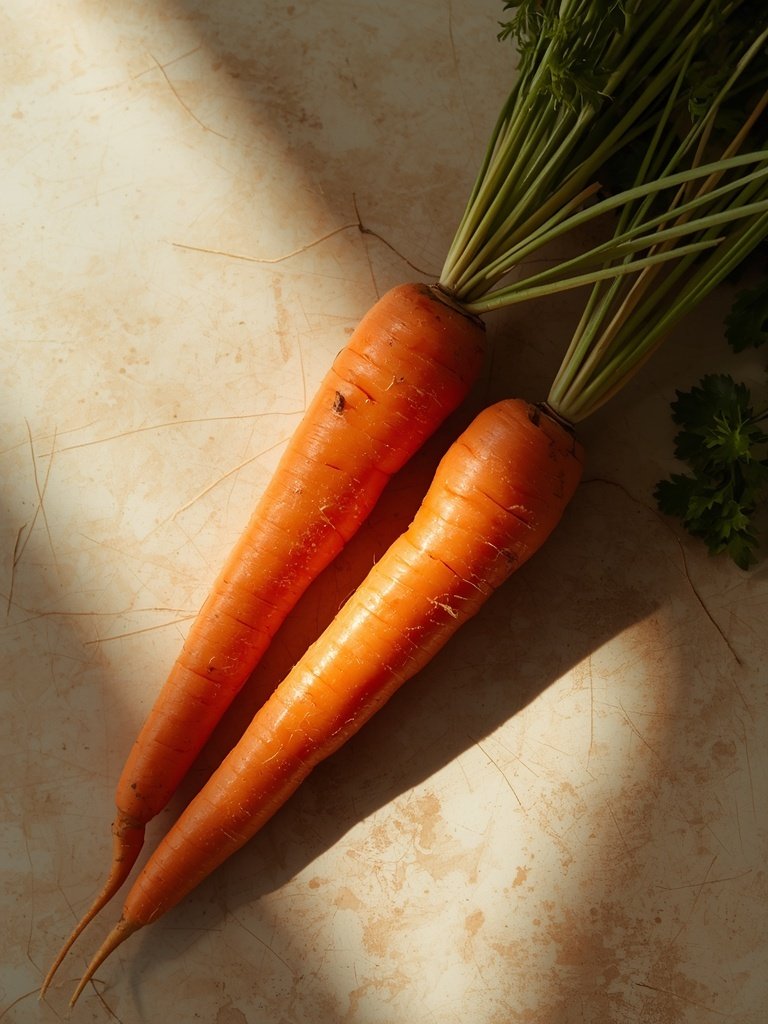
Table of Contents 4
Medical & Editorial Disclaimer (§3 Terms): This article is for informational and educational purposes only, does not constitute medical advice, diagnosis, or treatment, and is used at your own risk. Consult a qualified physician for medical conditions.
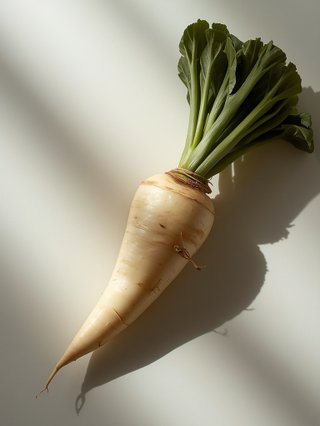
The health-promoting attributes of carrots stem from their dense complex of bioactive compounds and dietary fiber. Intensively pigmented orange cultivars are notably rich in carotenoids, including beta-carotene, alpha-carotene, lutein, and lycopene, which serve as precursors to vitamin A. These compounds provide essential antioxidant protection, support visual acuity, and promote tissue renewal for healthy skin and hair. Furthermore, the presence of vitamins C, E, and B-complex, alongside protective polyphenols, reinforces cellular resilience. The high dietary fiber content aids gastrointestinal motility, facilitating digestive regularity and assisting in the clearance of metabolic waste products and excess cholesterol.
Incorporating a variety of carrot cultivars into a balanced routine offers a practical strategy for optimizing daily nutrient intake. Whether consumed raw as a crisp snack, blended into juices, or gently cooked in traditional dishes, carrots retain their valuable functional properties. To maximize the bioavailability of fat-soluble antioxidants like beta-carotene, pairing carrots with a source of healthy dietary fats is highly recommended, delivering a simple yet powerful boost to skin integrity, eye function, and digestive wellness.
Marchev is a variation
Marchev's nutritional value
Marchev's properties
It's a combination of strawberry and apple
Want to apply these guidelines in your daily diet?
Our smart diet generator creates a tailored meal plan in 3 minutes based on the recommendations in this article.
Tags

Literatura: Anyżewska M. 1996. Beta-karoten – właściwości i zastosowanie w lecznictwie. Cz. II. Wiadomości Zielarskie 1:11-12. Czarniecka-Skubina E., Dudzińska B., Zalewski S. 1997. Wpływ stopnia przetwarzania na jakość i poziom skażeń marchwi. Przemysł Spożywczy 8, 42-44. Nawirska A., Król A. 2004. Marchew. Porównanie składników chemicznych czterech odmian. Przem. Ferm. i Owoc. Warz. 1:25-26 Czynniki wpływające na jakość marchwi przeznaczonej do przetwórstwa dr hab. Marek Gajewski, prof. SGGW Katedra Roślin Warzywnych i Leczniczych SGGW Problem metali ciężkich w uprawie marchwi. Prof. dr hab. Włodzimierz Sady KURiNRO, Wydz. Ogrodniczy, AR w Krakowie
Diets Premium Expert
Diets Premium team expert. Specializes in nutrition plans, strength sports, and training plans.