Buckwheat flakes as a healthy breakfast. Nutritional profile, ingredients, and tried-and-true breakfast recipes
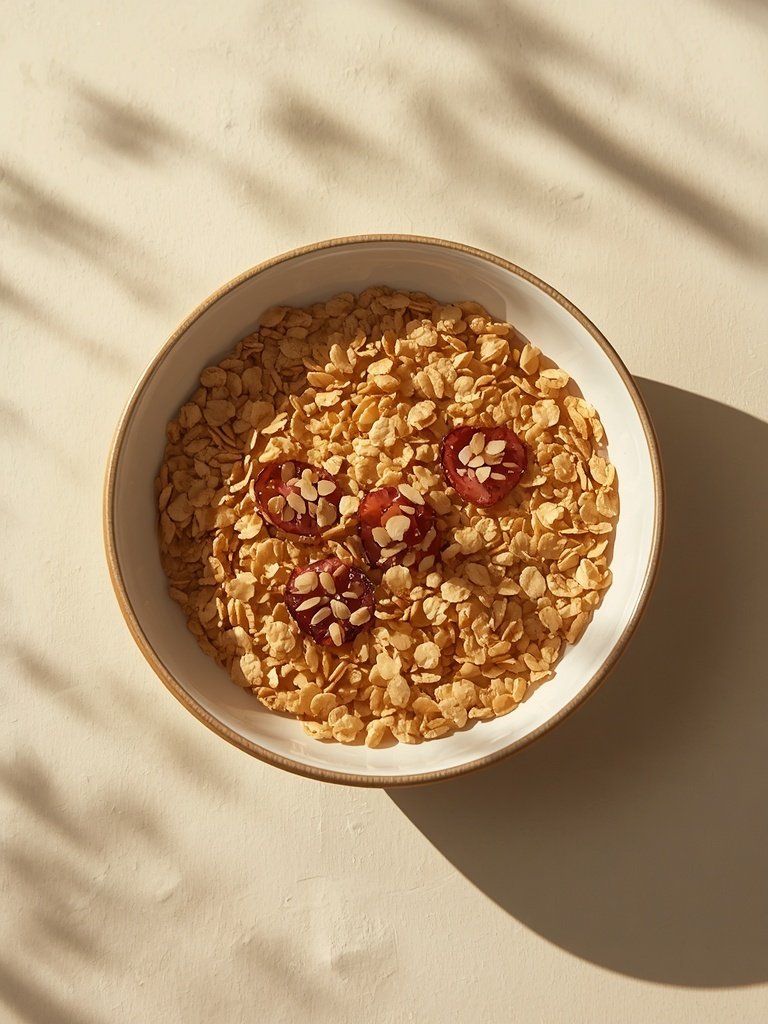
Table of Contents 4
Medical & Editorial Disclaimer (§3 Terms): This article is for informational and educational purposes only, does not constitute medical advice, diagnosis, or treatment, and is used at your own risk. Consult a qualified physician for medical conditions.
From a clinical nutrition perspective, a primary advantage of buckwheat flakes is their naturally gluten-free composition, making them a safe staple for individuals managing celiac disease or gluten sensitivity. Their plant-based protein exhibits high biological value due to a well-balanced amino acid profile rich in lysine, leucine, and methionine, which are frequently scarce in conventional cereal grains. Furthermore, buckwheat provides abundant dietary fiber, essential B vitamins, trace minerals, D-chiro-inositol, and rutin—a potent bioflavonoid known to support vascular wall integrity and healthy microcirculation.
Incorporating buckwheat flakes into daily meal preparation is both simple and highly adaptable. For a comforting warm porridge, the flakes can be gently simmered in dairy milk or plant-based almond or oat beverages, then finished with Ceylon cinnamon, raw honey, chopped walnuts, and fresh diced apples, bananas, or blueberries. They also adapt seamlessly to cold overnight breakfast bowls or yogurt toppings, allowing anyone to assemble a nutrient-dense morning meal with minimal culinary effort.
When considering breakfast cereal options, most individuals instinctively reach for conventional choices such as corn, oat, or rice flakes, typically served with milk or yogurt. However, the market provides a far broader selection—including buckwheat flakes, which represent not only a flavorful but also an exceptionally nutritious alternative. Their distinctive nutritional profile makes them an excellent option for both those actively managing their weight and those seeking a balanced, satisfying meal to start the day. Unlike many processed breakfast cereals, buckwheat flakes contain no added sugars while delivering complex carbohydrates, plant-based protein, and essential micronutrients.
Buckwheat flakes – origin, processing, and pseudocereal classification
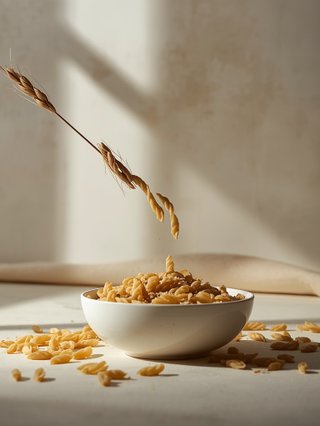
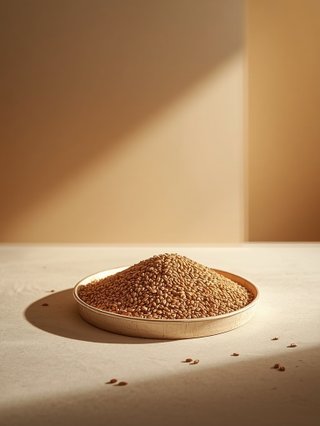
Common buckwheat (Fagopyrum esculentum) belongs to the Polygonaceae family and is botanically classified as a pseudocereal rather than a true grain. Buckwheat flakes are produced by dehulling, hydrothermally steaming, and mechanically rolling whole buckwheat groats. Unlike roasted buckwheat groats, unroasted buckwheat flakes feature a mild, pleasantly nutty flavor with delicate natural sweetness. They are commercially available as traditional rolled flakes and quick-cooking flakes, serving as a wholesome, versatile foundation for morning nutrition.
Health-promoting properties, rutin, and cardiovascular benefits
A prominent asset of buckwheat flakes is their natural gluten-free status, rendering them an exceptionally safe staple for patients with celiac disease and non-celiac gluten sensitivity. Buckwheat is an extraordinary dietary source of rutin (quercetin-3-O-rutinoside)—a powerful bioflavonoid that reinforces vascular wall integrity, reduces capillary fragility, improves microcirculation, and assists in blood pressure regulation. Furthermore, buckwheat contains D-chiro-inositol, which enhances peripheral insulin sensitivity, while soluble dietary fiber fractions lower serum LDL cholesterol and optimize gut motility.
Nutritional composition, complete amino acid profile, and minerals
Every 100 grams of buckwheat flakes yields approximately 340 kcal, 67 g of complex carbohydrates, 10 to 12 g of high-quality protein, and 2 to 3 g of lipids. Buckwheat protein boasts superior biological value due to its balanced amino acid profile, notably rich in lysine, leucine, and methionine—amino acids commonly deficient in true cereals. The flakes also deliver abundant dietary fiber (approximately 6 g per 100 g), B vitamins (thiamine, riboflavin, niacin, B6), and vital minerals including magnesium, iron, phosphorus, zinc, copper, manganese, and selenium.
Tested nutritious breakfast recipes and culinary preparations
Buckwheat flakes are remarkably versatile in culinary applications. Here is a simple recipe for nourishing breakfast buckwheat porridge: bring 250 ml of milk (dairy or almond/oat milk) to a gentle simmer, stir in 50 g of buckwheat flakes, and cook over low heat for 2 to 3 minutes while stirring. Remove from heat, fold in a pinch of Ceylon cinnamon, a teaspoon of raw honey, freshly diced fruit (apple, banana, blueberries), and chopped walnuts. Buckwheat flakes also excel in no-cook overnight oats, homemade baked granola, and gluten-free savory vegetable coatings.
Want to apply these guidelines in your daily diet?
Our smart diet generator creates a tailored meal plan in 3 minutes based on the recommendations in this article.
Tags

wartości odżywczych, a prosty przepis, idealnie pasuje na poranne śniadania.
Diets Premium Expert
Diets Premium team expert. Specializes in nutrition plans, strength sports, and training plans.