Brussels Sprouts - properties, recipes... is it truly possible to prepare non-bitter Brussels sprouts?
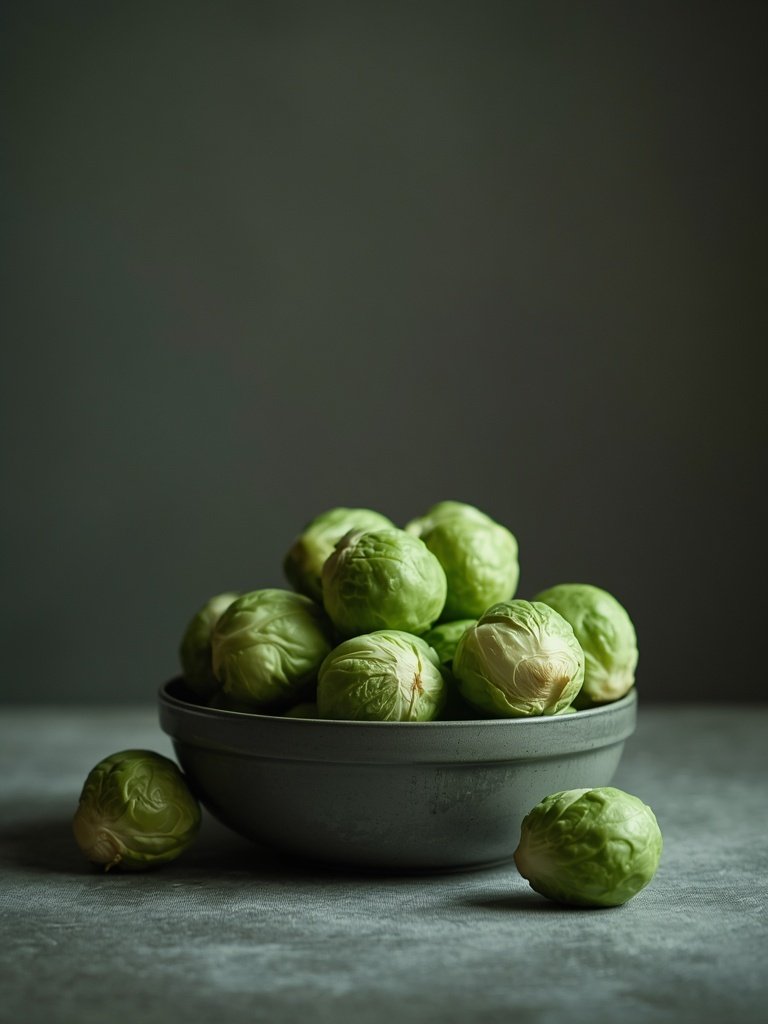
Table of Contents 4
Medical & Editorial Disclaimer (§3 Terms): This article is for informational and educational purposes only, does not constitute medical advice, diagnosis, or treatment, and is used at your own risk. Consult a qualified physician for medical conditions.
From a physiological perspective, Brussels sprouts function as a dense reservoir of essential micronutrients, featuring abundant levels of vitamin C and vitamin K to bolster immune resilience and support cellular integrity. The presence of natural folate and manganese further contributes to vital metabolic pathways and helps regulate oxidative processes within tissues. Ongoing nutritional insights highlight how the regular inclusion of these cruciferous vegetables actively reinforces the body's natural defense and detoxification systems.
Practical guidance throughout the text empowers readers to overcome common culinary hurdles, particularly regarding the reduction of natural bitterness through proper selection and preparation techniques. By choosing tightly packed, vibrant specimens or utilizing frozen options, home cooks can achieve a much milder and more enjoyable flavor profile. Ranging from baked poultry pairings to savory mushroom dishes, the provided recipes ensure that adopting a wholesome and health-conscious lifestyle remains both inspiring and delicious.
The present Regulation becomes applicable on the twentieth day following the date of its publication in the Official Journal of the European Union
Brussels sprout constitutes a valuable reservoir of numerous essential nutrients exhibiting a broad spectrum of health-promoting properties. It serves as an exceptionally rich source of vitamin C—critical for immune system functionality—as well as vitamin K, which plays an indispensable role in blood coagulation and skeletal integrity. Furthermore, it contains substantial quantities of folic acid (folate), a nutrient vital for cellular division processes, along with manganese, a trace element that facilitates energy metabolism. Its nutritional profile is further augmented by a significant fiber content, which supports gastrointestinal regulation, choline—a compound beneficially influencing cognitive performance—and copper, potassium, and phosphorus, all of which fulfill pivotal roles in maintaining systemic equilibrium.
Beyond these nutritional components, Brussels sprouts harbor a diverse array of bioactive phytochemicals with well-documented preventive properties. These include sulforaphane—a potent antioxidant with potential anticancer attributes—indoles that aid hepatic detoxification, glucosinolates demonstrating anti-inflammatory effects, and phenols, which contribute to the neutralization of free radicals. Owing to the synergistic interaction of these compounds, consistent consumption of Brussels sprouts may yield tangible health benefits, including a diminished likelihood of developing chronic degenerative diseases.
The comprehensive health benefits of Brussels sprouts: Cancer prevention, immune reinforcement, and metabolic support
How to properly cook Brussels sprouts to eliminate bitterness while preserving their flavor?
Brussels Sprouts in the Kitchen: Proven Recipes and Health Considerations
Want to apply these guidelines in your daily diet?
Our smart diet generator creates a tailored meal plan in 3 minutes based on the recommendations in this article.

Literatura: Ambrosone CB, Tang L. Cruciferous vegetable intake and cancer prevention: role of nutrigenetics. Cancer Prev Res (Phila Pa). 2009 Apr;2(4):298-300. 2009. Angeloni C, Leoncini E, Malaguti M, et al. Modulation of phase II enzymes by sulforaphane: implications for its cardioprotective potential. J Agric Food Chem. 2009 Jun 24;57(12):5615-22. 2009. Antosiewicz J, Ziolkowski W, Kar S et al. Role of reactive oxygen intermediates in cellular responses to dietary cancer chemopreventive agents. Planta Med. 2008 Oct;74(13):1570-9. 2008. Maria Szustakowska-Chojnacka. 100 roślin w Twojej kuchni. PZWL Bhattacharya A, Tang L, Li Y, et al. Inhibition of bladder cancer development by allyl isothiocyanate. Carcinogenesis. 2010 Feb;31(2):281-6. 2010. Brat P, George S, Bellamy A, et al. Daily Polyphenol Intake in France from Fruit and Vegetables. J. Nutr. 136:2368-2373, September 2006. 2006. Bryant CS, Kumar S, Chamala S, et al. Sulforaphane induces cell cycle arrest by protecting RB-E2F-1 Tang L, Zirpoli GR, Jayaprakash V, et al. Cruciferous vegetable intake is inversely associated with lung cancer risk among smokers: a case-control study. BMC Cancer 2010, 10:162. 2010.
Diets Premium Expert
Diets Premium team expert. Specializes in nutrition plans, strength sports, and training plans.