5 min read

Brassicas in individuals with hypothyroidism... are they genuinely hazardous?

Brassicas in individuals with hypothyroidism... are they genuinely hazardous?
1 photo
569
Smart Voice AI
0:00
0:00
Listen to the article content live
Table of Contents 5
Thyroid disorders represent a serious issue that is quite prevalent in the 21st century. One of the most common dysfunctions of this organ is hypothyroidism. Public awareness regarding the role of nutrition in managing this ailment is increasingly developing, and a suitable diet is an indispensable component of this process. In cases of thyroid disorders, particularly hypothyroidism, there is a concern over consuming cruciferous vegetables, which are believed to have adverse effects on health and treatment efficacy. Are these concerns justified and should we genuinely avoid cruciferous vegetables in our diet?
01 / 05

Thyroid insufficiency as a significant health concern

Thyroid insufficiency is one of the most common endocrine disorders occurring in approximately 410% of the world's population, especially in the elderly. This disease is significantly more common in women than in men. Thyroid insufficiency is the result of a low level of hormones produced by the thyroid gland or their inadequate action in the body. There are many factors responsible for the development of thyroid insufficiency, such as inflammation of this glandular tissue (including Hashimoto's disease), partial or complete removal of the thyroid gland, injury to the thyroid gland through radiotherapy associated with cancer or iodine deficiency in the diet, which is necessary for the synthesis of thyroid hormones. Without appropriate treatment, it can lead to a series of disorders, such as hair loss, fatigue, menstrual disorders, edemas, slowing of metabolism and consequent weight gain. In addition to pharmacology, the introduction of an appropriate dietary therapy is also required, which constitutes an important part of the treatment.
02 / 05

Cross-vegetables in the diet - significance and impact on thyroid health

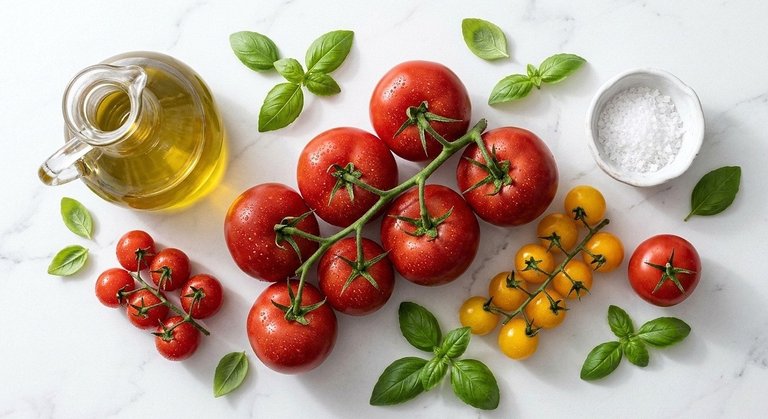
The diet in the case of hypothyroidism should be based on the principles of healthy nutrition and should provide the body with the necessary macro- and micronutrients in appropriate quantities. A balanced and varied diet is an important component of pharmacotherapy and supports the proper functioning of the thyroid gland. In terms of nutrition, special attention should be paid to cross-vegetables (thyroid herbs), which contain goitrogenic substances. Goitrogens are compounds that can bind to iodine, which can hinder the synthesis of thyroid hormones. Enlarged thyroid nodules and the development of hypothyroidism are undesirable consequences of iodine deficiency in combination with goitrogens. Vegetables in which goitrogens are found include soy and cruciferous vegetables such as cauliflower, cabbage, broccoli, Brussels sprouts, kohlrabi, and kale. The anti-nutritional effect of goitrogens can be observed when individuals whose bodies do not contain sufficient amounts of iodine consume products rich in these compounds. However, if products containing goitrogens are consumed in moderation, there is no need to completely abandon their consumption.
03 / 05

The significance of iodine in case of thyroid hormone deficiency

In order for the thyroid gland to function properly, it is necessary to provide several important nutrients. One of these nutrients is iodine, which is essential for the production of thyroid hormones. It is crucial to supply this microelement to the body through diet. Some of the best sources of iodine are fish (especially cod and halibut) and sea shellfish. Other products, such as vegetables, fruits, grains, and dairy products, also contain iodine, although in smaller amounts. It is also worth mentioning that in many countries, including Germany, iodized salt is available, which allows for increased iodine intake in the diet. However, it is important not to exceed the recommended daily intake of iodized salt (up to 5 g per day). Additionally, mineral water can also serve as a source of iodine, but it is advisable to carefully check the amount of this microelement declared on the label.
04 / 05

Negative impact of goitrogenic substances on thyroid function

Glucosinolates are substances that are classified as goitrogens. When consumed in excessive amounts, they may exhibit selective and mutagenic effects. A high intake of cabbage vegetables in the diet may lead to a decrease in thyroid secretion and slow down thyroxine synthesis. As a result, the levels of the hormones T3 and T4 are reduced. Subsequently, there is an increase in the activity of the hypophysis-hypothalamus, which leads to the development of the so-called goiter. To reduce the risk, it is necessary to apply an appropriate mixed diet. Individuals with iodine deficiency and hypothyroidism should limit their intake of cabbage vegetables. Such a measure is particularly important when the hormone levels are unstable. In this case, products with selective action may disrupt the normal absorption of iodine from food. However, if the proportion of cruciferous vegetables in the diet is moderate, it should not have a negative impact on the function of the thyroid.
05 / 05

How to decrease the goitrogen content of meals

Cruciferous vegetables, known as cross-vegetables, are a source of vitamins and minerals with medicinal properties when consumed in moderate amounts. They have a high nutritional value and strong antioxidant properties that play a significant role in cancer prevention. When preparing meals that contain cross-vegetables, there are several basic rules to follow in order to significantly reduce the content of anti-nutritional compounds in the dish. First and foremost, cross-vegetables should not be consumed raw. To reduce the amount of goitrogens in food, appropriate thermal processing should be applied. Vegetables should be cooked in large amounts of water and without covering. Cooking vegetables allows for the exclusion of about 30% of anti-nutritional substances. There are also other ways to reduce the amount of goitrogens: chopping, crushing, chewing, chewing, fermentation processes, or freezing (previously frozen products contain less goitrogens).
Meal Plan

Want to apply these guidelines in your daily diet?

Our smart diet generator creates a tailored meal plan in 3 minutes based on the recommendations in this article.

Cieślik E., Cieślik I., Borowski M., Charakterystyka właściwości prozdrowotnych glukozynolanów, „Zeszyty Problemowe Postępów Nauk Rolniczych” 2017, 588, 3–14.
Krochmal-Marczak B. et al., Wartość odżywcza i prozdrowotna wybranych warzyw z rodzaju kapusta (Brassica L.), „Herbalism” 2017, 1(3), 80–91.
Pastusiak K., Michałowska J., Bogdański P., Postępowanie dietetyczne w chorobach tarczycy, „Forum Zaburzeń Metabolicznych” 2017, 8(4), 155–160.
Sharma R., Bharti S., Kumar K.H., Diet and thyroid – myths and facts, „Journal of Medical Nutrition and Nutraceuticals” 2014, 3(2), 60–65.
Stolińska H., Wolańska D., Składniki pokarmowe istotne w niedoczynności tarczycy, „Żywienie Człowieka i Metabolizm” 2012, 39(3), 221–231.
Szwejda-Grzybowska J., Antykancerogenne składniki warzyw kapustnych i ich znaczenie w profilaktyce chorób nowotworowych, „Bromatologia i Chemia Toksykologiczna” 2011, 44(4), 1039–1046.
Tuchendler P., Zdrojewicz Z., Dieta w chorobach tarczycy, „Medycyna Rodzinna” 2017, 20(4), 299–303.
Warzywa krzyżowe w niedoczynności tarczycy – czy powinniśmy się ich obawiać?, https://ncez.pzh.gov.pl/choroba-a-dieta/warzywa-krzyzowe-w-niedoczynnosc-tarczycy-czy-powinnismy-sie-ich-obawiac/ (6.07.2021).
Zakrzewska E., Zegan M., Michota-Katulska E., Zalecenia dietetyczne w niedoczynności tarczycy przy współwystępowaniu choroby Hashimoto, „Bromatologia i Chemia Toksykologiczna” 2015, 48(2), 117–127.
Scientifically reviewed by a clinical dietitian • 23.03.2026

Cieślik E., Cieślik I., Borowski M., Charakterystyka właściwości prozdrowotnych glukozynolanów, „Zeszyty Problemowe Postępów Nauk Rolniczych” 2017, 588, 3–14. Krochmal-Marczak B. et al., Wartość odżywcza i prozdrowotna wybranych warzyw z rodzaju kapusta (Brassica L.), „Herbalism” 2017, 1(3), 80–91. Pastusiak K., Michałowska J., Bogdański P., Postępowanie dietetyczne w chorobach tarczycy, „Forum Zaburzeń Metabolicznych” 2017, 8(4), 155–160. Sharma R., Bharti S., Kumar K.H., Diet and thyroid – myths and facts, „Journal of Medical Nutrition and Nutraceuticals” 2014, 3(2), 60–65. Stolińska H., Wolańska D., Składniki pokarmowe istotne w niedoczynności tarczycy, „Żywienie Człowieka i Metabolizm” 2012, 39(3), 221–231. Szwejda-Grzybowska J., Antykancerogenne składniki warzyw kapustnych i ich znaczenie w profilaktyce chorób nowotworowych, „Bromatologia i Chemia Toksykologiczna” 2011, 44(4), 1039–1046. Tuchendler P., Zdrojewicz Z., Dieta w chorobach tarczycy, „Medycyna Rodzinna” 2017, 20(4), 299–303. Warzywa krzyżowe w niedoczynności tarczycy – czy powinniśmy się ich obawiać?, https://ncez.pzh.gov.pl/choroba-a-dieta/warzywa-krzyzowe-w-niedoczynnosc-tarczycy-czy-powinnismy-sie-ich-obawiac/ (6.07.2021). Zakrzewska E., Zegan M., Michota-Katulska E., Zalecenia dietetyczne w niedoczynności tarczycy przy współwystępowaniu choroby Hashimoto, „Bromatologia i Chemia Toksykologiczna” 2015, 48(2), 117–127.

Diets Premium Expert

Diets Premium team expert. Specializes in nutrition plans, strength sports, and training plans.

USDA FoodData Central EFSA PubMed Clinical Guidelines
Loading
Recommended articles in this category

Related Articles

Discover similar publications and expert insights.

Unexplored Dimensions of Healthy Meat Grilling: Evidence-Based Science for Safe, Nutrient-Preserving Culinary Barbecue
Grilling Techniques

Unexplored Dimensions of Healthy Meat Grilling: Evidence-Based Science for Safe, Nutrient-Preserving Culinary Barbecue

⏱ 1 min czytania
#Grilling Techniques #Nutritional Value
Sheep’s Milk Cheeses: Nutritional Architecture, Health Benefits, Bioactive Peptides, and Digestive Tolerance
Fat-Soluble Vitamins

Sheep’s Milk Cheeses: Nutritional Architecture, Health Benefits, Bioactive Peptides, and Digestive Tolerance

⏱ 3 min czytania
#Fat-soluble Vitamins #Bioactive Compounds
Mascarpone Cheese: Velvety Italian Delicacy, Culinary Heritage, Nutritional Profile, and Gastronomic Uses
Cream Cheese

Mascarpone Cheese: Velvety Italian Delicacy, Culinary Heritage, Nutritional Profile, and Gastronomic Uses

⏱ 2 min czytania
#Cream Cheese #Sweet Flavor
Durum Wheat (Triticum durum): Semolina Properties, Health Attributes, and Selection Criteria for Premium Pasta
Complex Carbohydrates

Durum Wheat (Triticum durum): Semolina Properties, Health Attributes, and Selection Criteria for Premium Pasta

⏱ 3 min czytania
#Complex Carbohydrates #Gluten Sensitivity
Whole Grain Flours in Practice: Wheat, Rye, Spelt, and Brown Rice – Nutritional Characteristics, Culinary Applications, and Health Benefits
Nutritional Benefits

Whole Grain Flours in Practice: Wheat, Rye, Spelt, and Brown Rice – Nutritional Characteristics, Culinary Applications, and Health Benefits

⏱ 3 min czytania
#Nutritional Benefits #Whole Grain Flour
Psychotherapy and Professional Mental Health Support: Navigating High-Quality Psychological and Psychiatric Care
Assistance

Psychotherapy and Professional Mental Health Support: Navigating High-Quality Psychological and Psychiatric Care

⏱ 5 min czytania
#Assistance #Mental
What to Eat in the Evening: Recommended vs. Forbidden Foods for Dinner – Optimal Nutrition for Sleep and Metabolism
Pregnancy & Motherhood

What to Eat in the Evening: Recommended vs. Forbidden Foods for Dinner – Optimal Nutrition for Sleep and Metabolism

⏱ 3 min czytania 📚 Pregnancy & Motherhood
#Metabolism #Breakfast
Quince Fruit Specialties: Beverages, Traditional Tinctures, Confitures, and Health Benefits
Maintenance

Quince Fruit Specialties: Beverages, Traditional Tinctures, Confitures, and Health Benefits

⏱ 10 min czytania
#Maintenance #Tart Flavor
Postpartum Psychosis: Clinical Recognition, Etiology, Diagnostic Signs, and Emergency Psychiatric Intervention
Pregnancy & Motherhood

Postpartum Psychosis: Clinical Recognition, Etiology, Diagnostic Signs, and Emergency Psychiatric Intervention

⏱ 3 min czytania 📚 Pregnancy & Motherhood
#Mental Health #Anxiety
Psychological Dimensions of Living with Obesity: Stigma, Self-Worth, and Pathways to Self-Compassion
Pregnancy & Motherhood

Psychological Dimensions of Living with Obesity: Stigma, Self-Worth, and Pathways to Self-Compassion

⏱ 3 min czytania 📚 Pregnancy & Motherhood
#Adipose Tissue #Obesity
Aromatic Culinary Herbs and Spices: Revolutionizing Flavor Profiles and Slashing Dietary Sodium
Metabolic Efficiency

Aromatic Culinary Herbs and Spices: Revolutionizing Flavor Profiles and Slashing Dietary Sodium

⏱ 5 min czytania
#Metabolic Efficiency #Herbs And Spices
Psychodietetics: The Crucial Role of Mindset in Long-Term Lifestyle and Body Transformation
Body Composition

Psychodietetics: The Crucial Role of Mindset in Long-Term Lifestyle and Body Transformation

⏱ 4 min czytania
#Body Composition #Psychodietetics
Dietary Factors and Foods that Impair Metabolic Rate: Scientific Evidence vs. Popular Myths
Metabolic Processes

Dietary Factors and Foods that Impair Metabolic Rate: Scientific Evidence vs. Popular Myths

⏱ 3 min czytania
#Metabolic Processes #Micronutrients
The Psychological Consequences of Restrictive Dieting: Mood Disorders, Caloric Obsession, and Neurobiological Adaptations
Dietary Patterns

The Psychological Consequences of Restrictive Dieting: Mood Disorders, Caloric Obsession, and Neurobiological Adaptations

⏱ 3 min czytania
#Dietary Patterns #Metabolic
Psychoactive Compounds with Remarkable Properties: The Psychedelic Renaissance in Modern Neuropsychiatry
Mental Health

Psychoactive Compounds with Remarkable Properties: The Psychedelic Renaissance in Modern Neuropsychiatry

⏱ 5 min czytania
#Mental Health #Schizophrenia
Leadership Character and Core Competencies in Team Governance: Organizational Resilience in Times of Transformation
Competitive

Leadership Character and Core Competencies in Team Governance: Organizational Resilience in Times of Transformation

⏱ 3 min czytania
#Competitive #Strategic
Psychodietetics: The Pivotal Role of Mindset in Sustainable Weight Loss and Body Transformation
Weight Management

Psychodietetics: The Pivotal Role of Mindset in Sustainable Weight Loss and Body Transformation

⏱ 4 min czytania
#Weight Management #Psychodietetics
Comprehensive Guide to Asparagus Preparation: Peeling Techniques, Optimal Cooking Methods, Freezing Protocols, and Serving Suggestions
Pregnancy & Motherhood

Comprehensive Guide to Asparagus Preparation: Peeling Techniques, Optimal Cooking Methods, Freezing Protocols, and Serving Suggestions

⏱ 5 min czytania 📚 Pregnancy & Motherhood
#Crisp Texture #Vegetable
Clinical Psychology: Comprehensive Guide to Evidence-Based Research, Diagnostics, and Professional Practice
Healthy Lifestyle

Clinical Psychology: Comprehensive Guide to Evidence-Based Research, Diagnostics, and Professional Practice

⏱ 2 min czytania
#Healthy Lifestyle
The Role of Herbs and Spices in Pediatric Nutrition: Beneficial, Safe, and Prohibited Flavorings
Children's Nutrition

The Role of Herbs and Spices in Pediatric Nutrition: Beneficial, Safe, and Prohibited Flavorings

⏱ 4 min czytania
#Children's Nutrition #Flavor Enhancers
Curry Spice Blend: Composition Analysis, Health Potential, Curcumin Mechanisms, and Culinary Applications
Health Benefits

Curry Spice Blend: Composition Analysis, Health Potential, Curcumin Mechanisms, and Culinary Applications

⏱ 4 min czytania
#Health Benefits #Curry Sauce
Rainbow Trout: Aquaculture Insights, Nutritional Profile, Omega-3 Fatty Acids, and Culinary Inspirations
Culinary Versatility

Rainbow Trout: Aquaculture Insights, Nutritional Profile, Omega-3 Fatty Acids, and Culinary Inspirations

⏱ 3 min czytania
#Culinary Versatility #Culinary Techniques
Psychodietetics: A Holistic Approach to Sustainable Habit Change and Harmonious Eating Relationships
Sustainable Weight Management

Psychodietetics: A Holistic Approach to Sustainable Habit Change and Harmonious Eating Relationships

⏱ 3 min czytania
#Sustainable Weight Management #Dietary Guidelines
The Psychological Foundations of Successful Weight Loss: Motivation, Habits, and Identity Transformation
Nutritional Guidelines

The Psychological Foundations of Successful Weight Loss: Motivation, Habits, and Identity Transformation

⏱ 5 min czytania
#Nutritional Guidelines #Dietary Habits

Why Can’t You Stop Overeating? The Psychological and Neurobiological Mechanisms of Compulsive Eating
Cake

Why Can’t You Stop Overeating? The Psychological and Neurobiological Mechanisms of Compulsive Eating

⏱ 5 min czytania
#Cake
Etiological Drivers of Constipation and Evidence-Based Non-Pharmacological Strategies: Diet, Fiber, and Lifestyle
Dietary Interventions

Etiological Drivers of Constipation and Evidence-Based Non-Pharmacological Strategies: Diet, Fiber, and Lifestyle

⏱ 3 min czytania
#Dietary Interventions #Insoluble Fiber
Chronic Pancreatitis: Clinical Manifestations, Medical Management, and Dietary Guidelines

Nutrition Recommendations

Chronic Pancreatitis: Clinical Manifestations, Medical Management, and Dietary Guidelines

⏱ 5 min czytania
#Nutrition Recommendations #Dietary Recommendations
Male Infertility: Etiological Factors, Diagnostic Modalities, Lifestyle Medicine, and Targeted Clinical Nutrition
Pregnancy & Motherhood

Male Infertility: Etiological Factors, Diagnostic Modalities, Lifestyle Medicine, and Targeted Clinical Nutrition

⏱ 4 min czytania 📚 Pregnancy & Motherhood
#Healthy Lifestyle #Pregnancy
Psychological and Behavioral Determinants of Overeating: From Emotional Hunger to Binge Eating Disorders
Appetite Regulation

Psychological and Behavioral Determinants of Overeating: From Emotional Hunger to Binge Eating Disorders

⏱ 3 min czytania
#Appetite Regulation #Appetite Control
Chronic Kidney Disease: Dietary Management and Clinical Therapeutic Meal Plan
Nutrition Recommendations

Chronic Kidney Disease: Dietary Management and Clinical Therapeutic Meal Plan

⏱ 5 min czytania
#Nutrition Recommendations #Dietary Recommendations
For Trainees

Latest Diets

Discover other diet plans with similar goals and nutrients.

Share