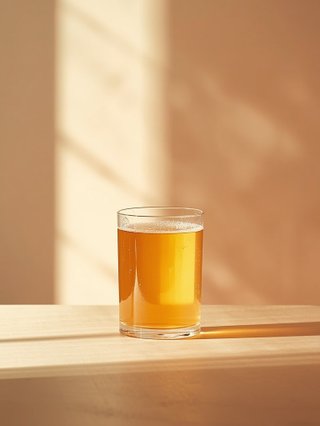
Birch sap - natural aspirin substitutes and isotonic beverage!
Table of Contents 5
Birch sap, historically treasured across Northern and Eastern Europe as 'tree water' or spring elixir, represents one of nature’s most intriguing functional beverages. Revered in traditional herbalism for cellular cleansing and vitality, contemporary science now validates its utility as a physiological isotonic drink and rich reservoir of bioactive salicylates with anti-inflammatory properties. This comprehensive guide investigates the biochemical composition of birch sap, its hydration mechanics, renal benefits, and clinical safety considerations.
What is birch sap? Biological origin and the heritage of spring sap harvesting
Birch sap (Succus Betulae), historically designated across Slavic and Baltic cultures as 'oskoła' or tree water, represents xylem sap circulating through the vascular network of Betula species (primarily the silver birch, Betula pendula). In early spring, triggered by rising soil temperatures and ground thawing, mature birch root systems generate robust positive root pressure. Dormant starch reserves stored within trunk parenchyma undergo enzymatic conversion into simple sugars, and nutrient-saturated sap is propelled upward toward dormant terminal buds to fuel spring foliation.
The harvest window is extraordinarily fleeting, spanning merely two to three weeks before the emergence of juvenile leaves, at which point the sap turns cloudy, astringent, and unpalatable. Historically celebrated by Scandinavian and Central European populations as a post-winter restorative tonic, birch sap was employed to restore vigor, purge toxins, and prevent seasonal illnesses. Contemporary phytotherapy and analytical biochemistry confirm that unprocessed birch sap represents a pristine, micro-filtered biological fluid characterized by superior biocompatibility and cellular hydration capacity.
Biochemical fingerprint of birch sap: salicylates, trace minerals, amino acids, and betulin
The nutritional potency of birch sap derives from an elaborate spectrum of macro- and micronutrients presented in organic, pre-assimilated states. The fluid provides abundant concentrations of bioavailable potassium (100–150 mg/L), calcium, magnesium, and phosphorus, alongside essential trace minerals including zinc, copper, iron, and manganese—a requisite cofactor for mitochondrial superoxide dismutase (Mn-SOD) antioxidant defense. The sap also contains free amino acids (glutamine, asparagine, valine) and organic acids (malic, citric, and succinic acids), which impart its subtle, crisp flavor.
Pharmacologically, the most intriguing constituents are endogenous phenolic compounds and natural salicylate derivatives, notably methyl salicylate. The presence of these bioactives underpins the botanical moniker of birch sap as 'nature’s aspirin.' These natural salicylates exert gentle anti-inflammatory, antipyretic, and analgesic actions through mild cyclooxygenase inhibition, yet unlike synthetic acetylsalicylic acid, they do not induce gastric mucosal erosion or ulceration. Furthermore, trace concentrations of triterpenoid betulin and betulinic acid confer hepatoprotective, immunomodulatory, and antiviral actions.
Birch sap as a natural isotonic fluid: osmolarity and cellular hydration mechanics in athletes
In an era dominated by synthetic commercial sports drinks laden with high-fructose syrups and artificial colorants, birch sap offers an unmatched, clean-label physiological hydration solution for endurance athletes and active individuals. The fluid exhibits an inherent osmolarity closely matching human plasma and interstitial fluids (approximately 280–300 mOsm/kg H2O), accompanied by a modest carbohydrate concentration of merely 0.5–1.5% natural hexoses (fructose and glucose), classifying it as an ideal hypotonic-to-isotonic fluid.
This unique biophysical balance promotes rapid gastric emptying and instantaneous transepithelial water transport across the proximal small intestine without gastrointestinal sloshing or discomfort during strenuous training. The synergistic electrolyte matrix of potassium and magnesium mitigates muscle cramping, optimizes neuromuscular signaling, and accelerates post-exercise glycogen replenishment. Combining fresh birch sap with a squeeze of citrus and a pinch of unrefined sea salt yields a superior, preservative-free artisanal isotonic formulation.
Diuretic, detoxifying, and nephrological properties: renal support and uric acid clearance
Among the most robustly substantiated therapeutic applications of birch sap is its targeted support for renal physiology and lower urinary tract health. Birch sap exerts gentle aquaretic and diuretic effects without inducing negative electrolyte shifts. Unlike synthetic loop diuretics that deplete intracellular potassium reserves, birch water supplies supplemental potassium while enhancing volumetric glomerular filtration. This increased fluid throughput flushes microscopic renal calculi ('sand') and inhibits calcium oxalate crystallization in the renal collecting ducts.
Furthermore, bioactive triterpene saponins and flavonoids within birch sap stimulate renal uric acid clearance, offering significant clinical adjunctive benefit to individuals managing hyperuricemia or gouty arthritis. Seasonal consumption protocols facilitate the clearance of xenobiotics and metabolic waste, reduce lower-extremity peripheral edema, and ease inflammatory discomfort associated with chronic musculoskeletal and arthritic disorders.
Harvesting techniques, preservation, and clinical contraindications: consuming birch sap safely
Direct artisanal extraction of birch sap demands strict ecological responsibility and hygienic protocols. Harvesters must select mature, vigorous trees with trunk diameters exceeding 20–25 cm located in unpolluted woodlands far from arterial highways. A small hole (2–3 cm deep) is drilled into the xylem, into which a sterile food-grade silicone tube is inserted leading to a clean glass vessel. Following collection, the aperture must be sealed with a sterile wooden dowel and organic wound sealant to prevent phytopathogenic fungal ingress.
Fresh, raw birch sap is biologically active and perishable, fermenting within 24–48 hours at ambient room temperatures. It may be refrigerated for up to 4–5 days or portioned into freezer trays for extended preservation without nutrient degradation. Key clinical contraindications apply: individuals with known type I hypersensitivity to birch pollen may develop oral allergy syndrome (OAS) manifest as pruritus and mucosal edema. Furthermore, patients with advanced chronic kidney disease or urinary tract obstruction must seek nephrological clearance before adopting high-volume consumption. For the general public, birch sap serves as an exceptionally pure, revitalizing botanical tonic.
Want to apply these guidelines in your daily diet?
Our smart diet generator creates a tailored meal plan in 3 minutes based on the recommendations in this article.

mgr David Janitzek
Diets Premium Expert
Diets Premium team expert. Specializes in nutrition plans, strength sports, and training plans.