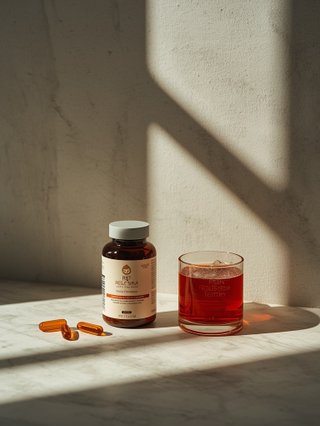
Benefits of flaxseed oil: Impact on cholesterol levels, optimal dosage, and storage methods to preserve its nutritional value


Table of Contents 5
Medical & Editorial Disclaimer (§3 Terms): This article is for informational and educational purposes only, does not constitute medical advice, diagnosis, or treatment, and is used at your own risk. Consult a qualified physician for medical conditions.
The physiological benefits of flaxseed oil are driven by its ability to act as a precursor to anti-inflammatory mediators that soothe vascular and neural tissues. It plays a significant role in enhancing endothelial function and protecting the gastrointestinal lining, offering a gentle lubricating effect that aids digestion without causing irritation. Furthermore, the presence of plant sterols and natural tocopherols helps shield low-density lipoproteins from oxidative damage, thereby contributing to a more stable and healthy internal environment within the circulatory system.
For practical daily use, the golden rule is to never subject flaxseed oil to heat, as thermal exposure rapidly degrades its delicate molecular structure into harmful compounds. It should be consumed strictly cold, perhaps drizzled over fresh vegetables or blended into traditional dairy dishes to maximize absorption. To preserve its therapeutic potency, the oil must be kept in dark glass containers and stored continuously in a refrigerated environment, ensuring it remains fresh and free from the bitter notes associated with lipid oxidation.
Cold-pressed, unrefined flaxseed oil extracted from the seeds of common flax (Linum usitatissimum) represents nature's most concentrated plant-derived reservoir of alpha-linolenic acid (ALA)—an essential polyunsaturated omega-3 fatty acid. In cardiovascular preventive medicine, it holds a preeminent position: favorably shifting lipid fractions, dampening vascular platelet aggregation, and accelerating mucosal renewal. Because of high polyunsaturation, it requires strict protection against photo-oxidation and thermal degradation. This guide analyzes therapeutic lipid actions, culinary guidelines, and cold-chain stability.
Therapeutic Scope of Flaxseed Oil – Fatty Acid Architecture and Anti-Inflammatory Pathways
Over 50–55% of the total fatty acid matrix in virgin flaxseed oil comprises alpha-linolenic acid (ALA). Within human physiology, ALA acts as the metabolic precursor for series-3 prostaglandins and resolvins—bioactive mediators that actively extinguish chronic vascular, joint, and neural inflammation. It additionally provides natural gamma-tocopherol and plant sterols.
Flaxseed Oil and Cholesterol – Lipid Fraction Modulation and Endothelial Protection
Incorporating unheated flaxseed oil into the diet yields robust cardiovascular improvements:
- Statistically significant 10–20% reductions in circulating fasting triglycerides.
- Decreased susceptibility of low-density lipoprotein to oxidation (attenuating ox-LDL formation in atheromatous plaques).
- Enhanced endothelium-dependent vasodilation driven by upregulated endothelial nitric oxide synthase (eNOS) activity.
Flaxseed Oil for Constipation and Gastrointestinal Mucosal Healing
Flaxseed oil provides gentle lubricating and stool-softening actions across the colon, resolving functional constipation without triggering habituation or mucosal irritation characteristic of stimulant anthraquinone laxatives. Moreover, its lipid film cushions sensitive gastric mucosa against hyperacidic erosion in gastritis.
Optimal Dosage Guidelines and the Golden Rule: Never Heat Flaxseed Oil
The standard evidence-based intake is 1 to 2 tablespoons (10–20 ml) daily. Absolute culinary rule: Flaxseed oil must NEVER be heated, used for sautéing, or exposed to baking temperatures! Heat catalyzes rapid thermal oxidation of delicate ALA bonds into toxic lipid hydroperoxides and trans-isomers. Always consume it strictly cold—drizzled over salads, finished warm dishes, or blended with quark (the Budwig protocol).
Storage Science – Dark Glass Packaging and Strict Refrigeration
Due to vulnerability to photolysis, flaxseed oil must be bottled exclusively in dark amber or UV-blocking glass. Upon acquisition, it must be stored continuously under refrigeration at 4–8°C. Once unsealed, consume within 3 to 4 weeks. A harsh, rasping bitter taste or an odor reminiscent of oil paint indicates rancidity and oxidation, rendering it unfit for consumption.
Want to apply these guidelines in your daily diet?
Our smart diet generator creates a tailored meal plan in 3 minutes based on the recommendations in this article.
Tags

mgr Tim Klein
• 23.10.2026Diets Premium Expert
Diets Premium team expert. Specializes in nutrition plans, strength sports, and training plans.