4 min read
Beans – Varieties, Ingredients, Recipes. How to Cook Beans?
1 photo
685
Smart Voice
AI
0:00
0:00
Listen to the article content live
Table of Contents 5
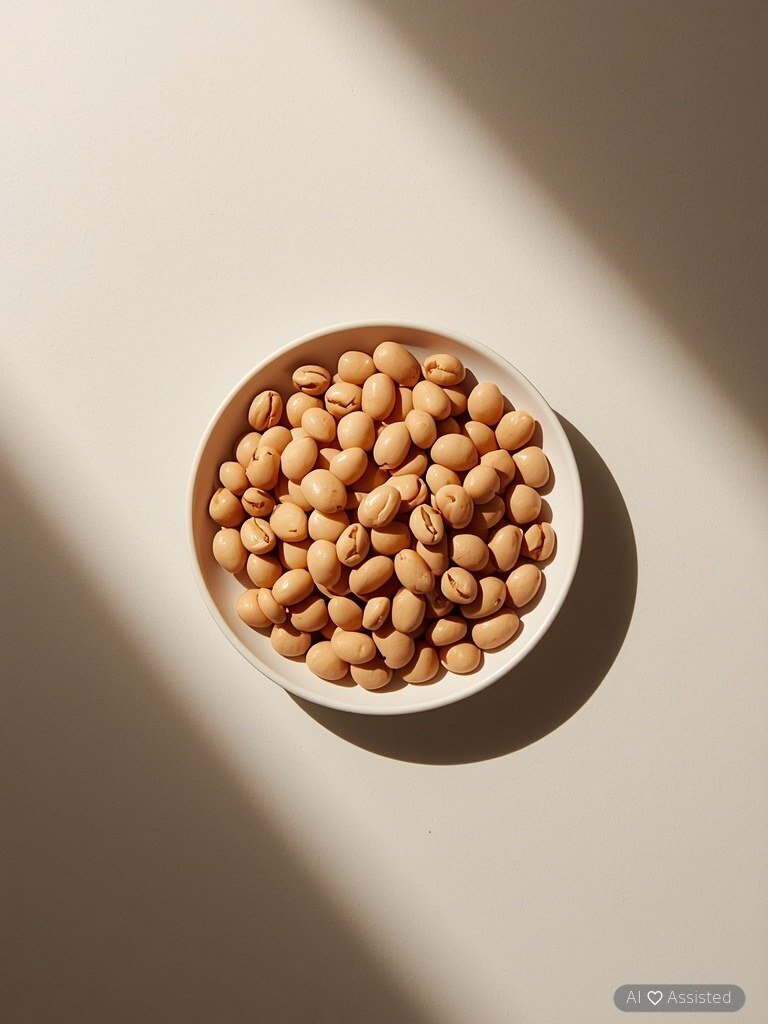
Beans are a plant that finds its place in nearly every household. They are added to numerous dishes as an outstanding source of plant protein and intricate carbohydrates. Appreciated for their advantageous content, however, not everyone is cognizant of how wholesome these pods and their shoots are.
01 / 05
Common Bean – Nutritional Profile and Botanical Characteristics
The common bean (*Phaseolus vulgaris*) is an annual plant belonging to the legume family (Fabaceae), with its origins tracing back to South America, specifically the territories of modern-day Chile and Peru. Its widespread cultivation commenced following the voyages of Christopher Columbus in the 15th century, facilitating its global dissemination and subsequent integration into agricultural systems across diverse regions. From a medicinal standpoint, only the pods of white-flowered varieties are deemed therapeutically valuable as herbal raw materials. This legume serves as a rich reservoir of essential minerals, including magnesium, potassium, and iron, while also providing substantial quantities of antioxidant vitamins—primarily ascorbic acid (vitamin C) and tocopherol (vitamin E). Additionally, its biochemical composition is enhanced by polyphenolic compounds, which exhibit potent free-radical-scavenging properties. Given its high concentration of complete plant-based protein, encompassing all essential amino acids, the common bean constitutes a fundamental dietary component for individuals adhering to vegan or vegetarian nutritional regimens.
02 / 05
Diverse bean cultivars: taxonomic classification, morphological traits, and culinary applications in global agriculture
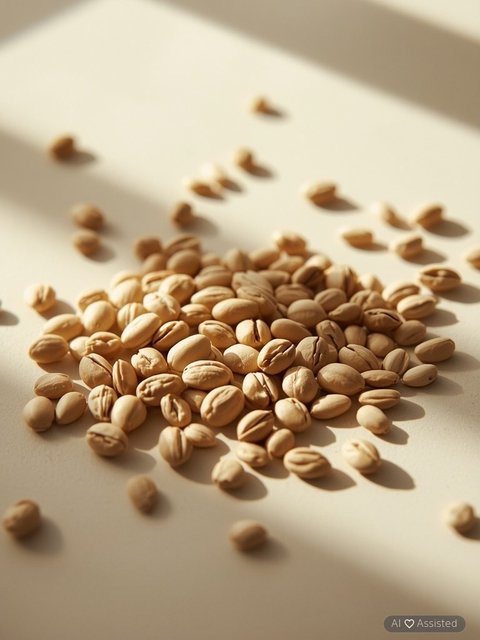
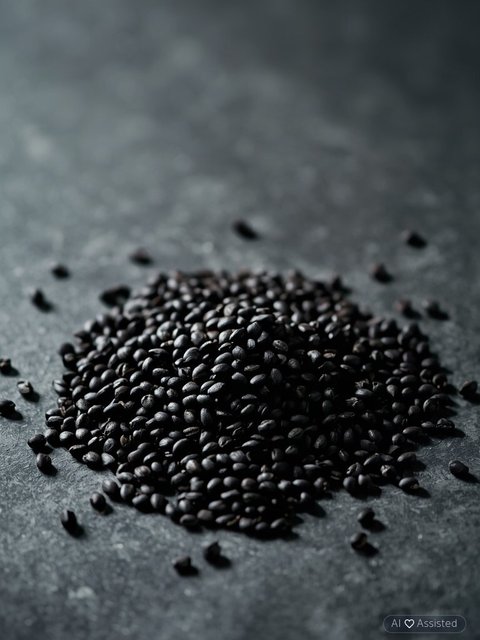
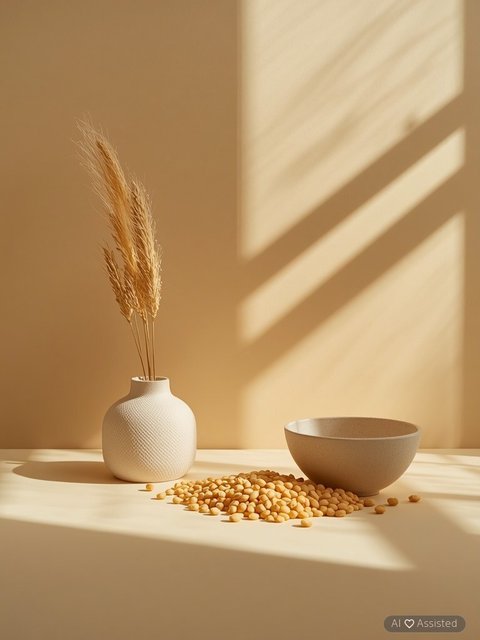
The botanical diversity of beans (*Phaseolus* spp.) encompasses approximately five hundred registered cultivars, distinguished by phenotypic variations—ranging from stem height and seed-pod color spectrum to subtle flavor profiles and floral characteristics. Within Poland, two primary cultivation groups predominate: **common bean** (*Phaseolus vulgaris*), represented by bush-type varieties with rigid, self-supporting stems (reaching a maximum of 0.5 meters in height), and **scarlet runner bean** (*Phaseolus coccineus*), whose climbing cultivars necessitate trellising due to their vigorous growth—up to four meters. The broader legume family (*Fabaceae*) also includes economically significant Asian species such as **adzuki bean** (*Vigna angularis*) and **mung bean** (*Vigna radiata*), colloquially referred to as "green gram." Seed coloration exhibits remarkable diversity: from classic white varieties (e.g., ‘Jaś’, ‘Boston’, ‘Cannellino’) to beige (e.g., ‘Pinto’), green (e.g., ‘Flageolet’), pink (kidney-type), and deep black, all of which are utilized in both traditional and contemporary culinary practices.
03 / 05
Therapeutic and preventive dimensions of bean consumption in health contexts: mechanisms of action and synergistic interactions with other bioactive compounds
Beans constitute a valuable source of guanidine-derived compounds whose hypoglycemic properties are particularly beneficial during the initial stages of diabetes mellitus development. Clinical evidence confirms that the systematic incorporation of this botanical material into the diet at this juncture may yield outcomes comparable to—and in certain instances surpassing—those achieved through conventional pharmacotherapy. Notably, the therapeutic potential of beans persists even in advanced disease stages, where they serve as a complementary adjunct to standard treatments. Researchers further emphasize beans' capacity to potentiate the effects of both synthetic antidiabetic medications and herbal preparations with similar mechanisms of action. According to scientific literature, a single serving of bean infusion may exhibit metabolic activity equivalent to the administration of three units of exogenous insulin. [2]
From a nephrological perspective, beans demonstrate significant diuretic properties whose potency increases in direct proportion to the degree of renal impairment. Much like their glucose-regulating effects, the bioactive constituents in beans exhibit synergistic interactions with other diuretic compounds, thereby enhancing the elimination of excess uric acid from the organism. This characteristic positions beans as a valuable component in supportive therapies for urinary tract disorders—ranging from nephritis and ureteral inflammations to phosphate lithiasis. Research additionally suggests potential benefits in the management of gout, rheumatic diseases, and as an adjunct in psoriasis treatment. Moreover, both white and red bean varieties serve as sources of phaseolamin—a compound with distinctive properties whose detailed profile is presented in a dedicated article.
04 / 05
Proper Bean Preparation: How to Avoid Digestive Discomfort While Preserving Nutritional Benefits
While beans are an excellent source of protein and fiber, they naturally contain antinutrients such as lectins, which—if not properly mitigated—may trigger gastrointestinal distress, including excessive gas and bloating. The critical first step is thorough soaking: after rinsing the beans, they should be submerged in ample cold water for a minimum of eight hours (overnight soaking is optimal). The soaking water is then discarded, the beans rinsed again, and boiled *uncovered* in fresh water until tender. This process effectively reduces harmful compounds. It is equally important to add salt *only after* cooking is complete; premature salting inhibits softening and can prolong the required cooking time.
05 / 05
Beans – culinary recipes and preparations
With the addition of beans, you can prepare a wide variety of main dishes, salads, and even rich sauces or soups. For health-supporting applications, you can prepare a traditional decoction from dried bean pods or a savory bean paste that serves as an excellent spread for whole-grain bread, pancakes, and tortillas.
Recipe for bean pod decoction:
Ingredients: 3–4 tablespoons of crushed dried bean pods, 2 cups of warm water.
Preparation: Pour the warm water over the bean pods and leave them to soak for 3–5 hours until swollen. After soaking, boil the mixture covered for 3 minutes, then remove from heat and let steep for 15 minutes. Strain the liquid, pour it into a clean bottle, and drink half a cup 2–3 times daily between meals. It acts as an effective natural diuretic and supportive aid in managing rheumatic ailments and gout.
Recipe for creamy white bean spread:
Ingredients: 300 g dried white beans, 80–100 ml extra virgin olive oil, 1 teaspoon salt, 1 teaspoon freshly ground colorful pepper, 1 organic lemon.
Preparation: Soak the beans in plenty of cold water overnight. Drain and cook in fresh water until completely tender, then drain thoroughly. Grate the zest from the washed lemon and squeeze its juice. Mash the beans with a potato masher or blend with an immersion blender, gradually incorporating the olive oil, lemon juice, zest, salt, and pepper until velvety smooth. Spread over fresh bread, roll into savory pancakes, or use as a protein-rich filling for tortillas.
In summary, beans are an exceptional, versatile staple that deserves a permanent spot in a balanced diet. Readily available and economical, they provide complete plant protein, complex carbohydrates, and essential micronutrients, serving as an outstanding meat alternative for plant-based nutrition.
Meal Plan
Want to apply these guidelines in your daily diet?
Our smart diet generator creates a tailored meal plan in 3 minutes based on the recommendations in this article.

Scientifically reviewed by a clinical dietitian
• 23.10.2026
Literatura: J. Muszyński: „Ziołolecznictwo i leki roślinne (Fytoterapia).”, Wydawnictwo Prawnicze i Naukowe, Warszawa, 1951. E. Lamer-Zarawska, B. Kowal-Gierczak, J. Niedworok: „Fitoterapia i leki roślinne.”, Wydawnictwo Lekarskie PZWL, Warszawa, 2007. A. Ożarowski, W. Jaroniewski: „ Rośliny lecznicze i ich praktyczne zastosowanie.”, Instytut Wydawniczy Związków Zawodowych, Warszawa, 1987. J. Korus, D. Gumul, M. Gibiński: „Wpływ ekstruzji na zawarto polifenoli i aktywność przeciwutleniającą nasion fasoli zwyczajnej (phaseolus vulgaris l.).”, Żywność. Nauka. Technologia. Jakość, 2006, 2 (47), 102 – 111. B. Singh, J. Pal Singh, A. Kaur, N. Singh: „Phenolic composition and antioxidant potential of grain legume seeds: A review.”, Food Research International Volume 101, November 2017, Pages 1-16.
Diets Premium Expert
Diets Premium team expert. Specializes in nutrition plans, strength sports, and training plans.
USDA FoodData Central
EFSA
PubMed Clinical Guidelines