Do you really choose flaxseeds compared to flaxseed oil - what to choose?

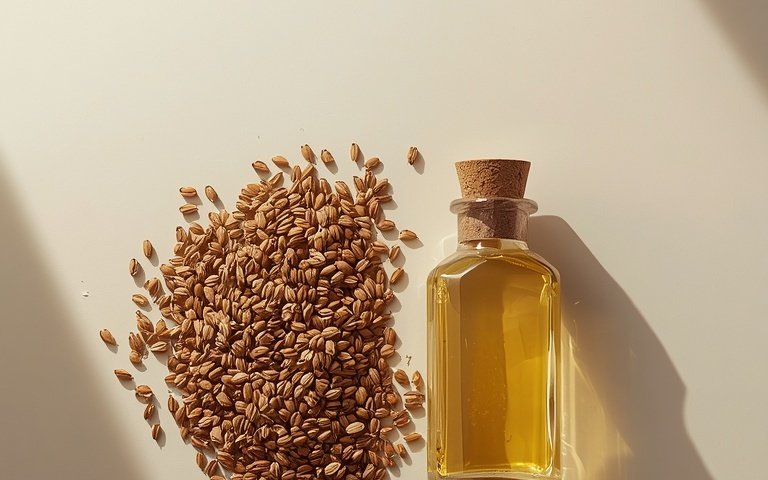
Table of Contents 3
Medical & Editorial Disclaimer (§3 Terms): This article is for informational and educational purposes only, does not constitute medical advice, diagnosis, or treatment, and is used at your own risk. Consult a qualified physician for medical conditions.
The physiological benefits are primarily driven by the presence of essential polyunsaturated fatty acids, which are recognized for their protective roles within the body. While flax seeds provide the added value of dietary fiber and antioxidants such as vitamin E, the cold-pressed oil offers a concentrated source of these delicate fatty acids. Both options contribute to vascular health and help modulate inflammatory processes, with the choice between them depending on whether one seeks the benefits of fiber or a direct intake of essential fatty acids.
For daily practice, it is recommended to consume flax seeds freshly ground to maximize nutrient absorption, while flaxseed oil should always be stored in a cool, dark environment to prevent oxidation. Incorporate seeds into cereals or yogurt for a fiber-rich boost, and use the oil primarily for cold dishes like salads. By thoughtfully combining both products, one can harness the full health-promoting potential of the flax plant without relying on artificial supplements.
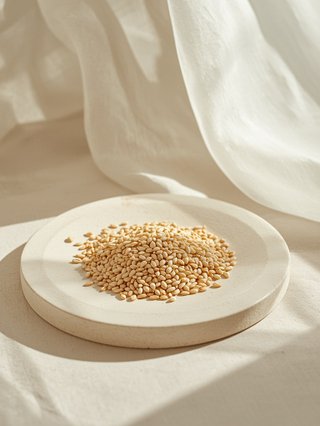
Common flaxseed (*Linum usitatissimum*): Nutritional composition and dietary applications
Unrefined cold-pressed flaxseed oil
Flaxseeds and flaxseed oil: a comprehensive analysis of nutritional profiles and health benefits in contemporary diets
Want to apply these guidelines in your daily diet?
Our smart diet generator creates a tailored meal plan in 3 minutes based on the recommendations in this article.
Tags

Olivia Davis
• 24.09.2026Diets Premium Expert
Diets Premium team expert. Specializes in nutrition plans, strength sports, and training plans.