Alternative sources of sweetness – stevia, xylitol, honey, agave syrup, and licorice root as substitutes for white sugar
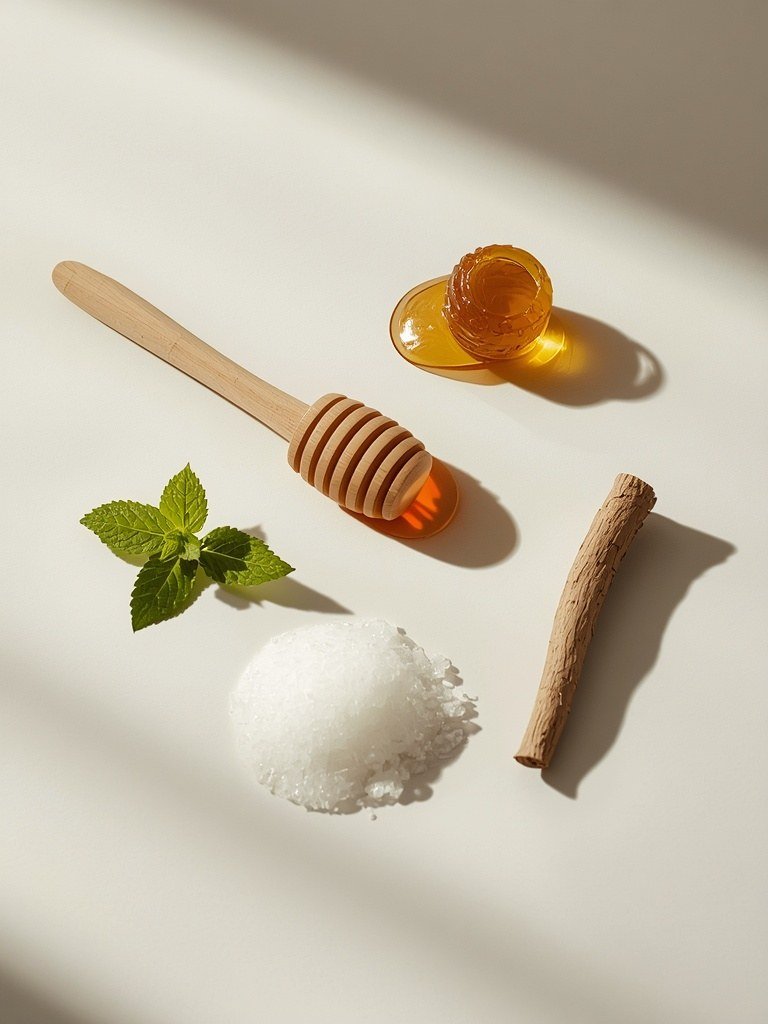
Table of Contents 6
Medical & Editorial Disclaimer (§3 Terms): This article is for informational and educational purposes only, does not constitute medical advice, diagnosis, or treatment, and is used at your own risk. Consult a qualified physician for medical conditions.
The detailed review examines the physiological mechanisms, glycemic profiles, and bioactive properties of prominent sugar alternatives, including stevia, xylitol, honey, agave nectar, and licorice root. Each option presents a unique metabolic footprint, influencing blood sugar responses, dental health, and digestive processes differently. Understanding these nuances enables individuals to evaluate which sweeteners best align with their personal health objectives and dietary requirements.
Adopting these alternatives into daily nutrition requires a mindful and balanced approach to ensure optimal health outcomes. Rather than relying on a single solution, incorporating diverse natural sweeteners judiciously can support metabolic health and improve dietary patterns over time. Consulting with a qualified nutrition professional further assists individuals in tailoring their dietary choices to foster lasting well-being.
This article is professional premium content (PRO) provided in its entirety.
Excessive consumption of refined table sugar (sucrose) constitutes a primary driver of the modern epidemics of metabolic syndrome, dental caries, non-alcoholic fatty liver disease, and type 2 diabetes. Consequently, natural sweetening alternatives have garnered substantial clinical interest. This guide provides an evidence-based comparative evaluation of five prominent sugar substitutes: xylitol (polyol), stevia (steviol glycosides), raw bee honey, agave nectar, and licorice root (glycyrrhizin), assessing glycemic indices, caloric densities, prebiotic properties, and metabolic safety profiles.
Natural Sugar Substitutes – The Clinical Case for Reducing Sucrose
Refined white sugar (sucrose) is a disaccharide cleaved into equal parts glucose and fructose, delivering a high glycemic index (GI = 68) stripped of trace micronutrients:
- Metabolic Sequelae: Rapid sucrose absorption stimulates supra-physiological insulin spikes, accelerates advanced glycation end-product (AGE) formation, and promotes hepatic steatosis through unconstrained fructose phosphorylation.
- Cariogenicity: Oral pathogens (notably Streptococcus mutans) rapidly ferment sucrose into lactic acid, dropping intraoral pH below the critical 5.5 mark and eroding dental hydroxyapatite.
- Ideal Sweetener Parameters: Optimal sugar substitutes must exhibit low glycemic and insulinemic responses, gastrointestinal tolerance, thermal stability, and lack cytotoxic byproducts.
Xylitol (Birch Sugar) – Anticariogenic Mechanisms and Glycemic Index
Xylitol is a five-carbon sugar alcohol (polyol) originally synthesized from birch bark hemicellulose and contemporary corn fiber:
- Caloric Density and Glycemia: Yields approximately 2.4 kcal/g (40% fewer calories than sucrose) with a minimal glycemic index of GI = 7–8. Passive, slow intestinal absorption circumvents acute postprandial hyperglycemia.
- Anticariogenic Efficacy: Cariogenic Streptococcus mutans internalize the five-carbon polyol but lack the enzymes to catabolize it, creating a futile intracellular cycle that starves the bacteria and impedes biofilm plaque deposition. Furthermore, xylitol promotes alkaline salivation and remineralization.
- Gastrointestinal Thresholds: Unabsorbed polyols reaching the colon induce osmotic fluid shifts and bacterial fermentation; single boluses exceeding 30–50 g may induce transient flatulence and laxative effects until microbiome adaptation occurs.
- Veterinary Toxicity Warning: Xylitol triggers an acute, catastrophic surge in pancreatic insulin secretion in canines, precipitating fatal hypoglycemia and acute hepatic necrosis. Keep strictly out of reach of domestic pets.
Stevia (Steviol Glycosides) – Zero-Calorie Density and Thermal Resilience
Stevia (Stevia rebaudiana Bertoni) is a herbaceous perennial native to Paraguay and Brazil, historically harvested by the indigenous Guaraní people:
- Steviol Glycosides: The intensely sweet sensation derives from diterpenoid glycosides, predominantly stevioside and rebaudioside A, yielding 200 to 350 times the relative sweetness of sucrose.
- Zero-Calorie Metabolic Profile: Possesses a glycemic index of GI = 0 and 0 kcal. Intact glycosides traverse the stomach and small intestine unabsorbed; colonic bacteroidetes hydrolyze them into steviol, which undergoes hepatic glucuronidation and renal excretion.
- Culinary Heat Stability: Exhibits exceptional thermal stability up to 200°C (392°F), making it an outstanding candidate for baking and cooking. Stevioside imparts a slight bitter licorice aftertaste at high concentrations, whereas isolated rebaudioside A and M deliver pristine sweetness profiles.
- Safety Benchmarks: The European Food Safety Authority (EFSA) and FDA have established an Acceptable Daily Intake (ADI) of 4 mg/kg body weight/day expressed as steviol equivalents.
Bee Honey – Enzymatic Activity, Inhibine, and Fructose Dynamics
Bee honey is an ancient whole-food sweetener prized for therapeutic folklore; however, its clinical and biochemical profile necessitates objective evaluation:
- Nutritional Composition: Comprises approximately 75–80% monosaccharides (predominantly 38% fructose and 31% glucose) and 17–20% water, with trace enzymes, organic acids, flavonoids, and bivalent minerals.
- Bioactive Enzymes and Inhibine: Unheated raw honey contains active glucose oxidase, invertase, and diastase. Glucose oxidase catalyzes local hydrogen peroxide generation, which synergizes with defensin-1 and phenolics to exert broad antimicrobial action.
- Caloric Density and GI: Provides approximately 320 kcal/100 g (~40 kcal per teaspoon). The glycemic index spans 50 to 85 depending on floral origin (acacia rich in fructose displays lower GI, whereas high-glucose rapeseed yields elevated GI).
- Thermal Degradation: Endogenous therapeutic enzymes undergo rapid denaturation when exposed to temperatures exceeding 40–45°C (104–113°F). Dissolving honey into boiling liquids reduces it to pure liquid simple sugars.
- Infant Botulism Absolute Contraindication: Honey is strictly prohibited for infants under 12 months due to the potential contamination with Clostridium botulinum endospores, which colonize immature infant colonic flora.
Agave Nectar – Carbohydrate Profile, Fructose Overload, and Culinary Uses
Agave nectar (syrup), industrially derived from the core of the blue agave plant (Agave tequilana), has been extensively commercialized as a low-glycemic vegan sweetener:
- The Fructose Concentration Paradox: Although native agave sap contains prebiotic inulin fructans, industrial thermal and enzymatic refining hydrolyzes these polymers into isolated monosaccharides. Commercial agave syrup contains 70% to 90% free fructose—surpassing high-fructose corn syrup (HFCS-55).
- Deceptive Glycemic Metrics: While delivering a low glycemic index (GI = 15–20), this occurs strictly because fructose avoids immediate insulin signaling. Instead, massive hepatic fructose influx drives de novo lipogenesis, visceral steatosis, hyperuricemia, and elevated VLDL.
- Culinary Advantages: Fluid viscosity, neutral aroma, and high cold-water solubility make it versatile for cold beverages and vegan dressings, but it should be categorized biochemically as concentrated liquid fructose rather than a health functional food.
Licorice Root – Glycyrrhizin Bioactivity, Sweetness, and Hypertensive Precautions
The root of licorice (Glycyrrhiza glabra) represents an ancient medicinal botanical displaying profound sweetening properties:
- Glycyrrhizin Potency: The intense sweetness is mediated by glycyrrhizic acid triterpene saponins, delivering roughly 50 times the perceived sweetness of table sucrose with a persistent, anise-like finish.
- 11-beta-HSD2 Inhibition and Pseudohyperaldosteronism: Glycyrrhetinic acid potently inhibits the renal enzyme 11-beta-hydroxysteroid dehydrogenase type 2 (11-beta-HSD2), which normally inactivates cortisol to cortisone. Loss of this protective barrier allows cortisol to bind renal mineralocorticoid receptors with high affinity, stimulating renal sodium retention, potassium wasting (hypokalemia), and clinically dangerous arterial hypertension.
- Strict Clinical Contraindications: Standard glycyrrhizin-containing preparations are absolutely contraindicated in patients with essential hypertension, cardiac failure, chronic kidney disease, and during pregnancy.
- DGL Therapeutics: For peptic ulcer and gastrointestinal soothing, deglycyrrhizinated licorice (DGL) preparations remove the glycyrrhizin moiety, preserving mucosal healing without endocrine or cardiovascular liabilities.
Want to apply these guidelines in your daily diet?
Our smart diet generator creates a tailored meal plan in 3 minutes based on the recommendations in this article.
Tags

mgr David Janitzek
• 25.11.2026Diets Premium Expert
Diets Premium team expert. Specializes in nutrition plans, strength sports, and training plans.