Aloe vera drink – composition breakdown, therapeutic properties, and market pricing overview
Smart Voice
AITable of Contents 3
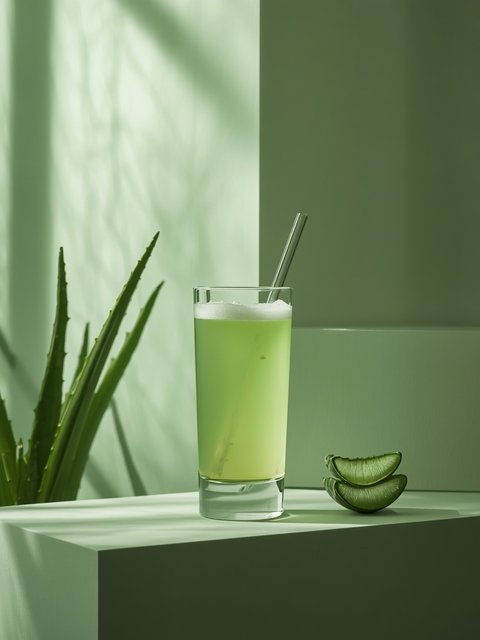
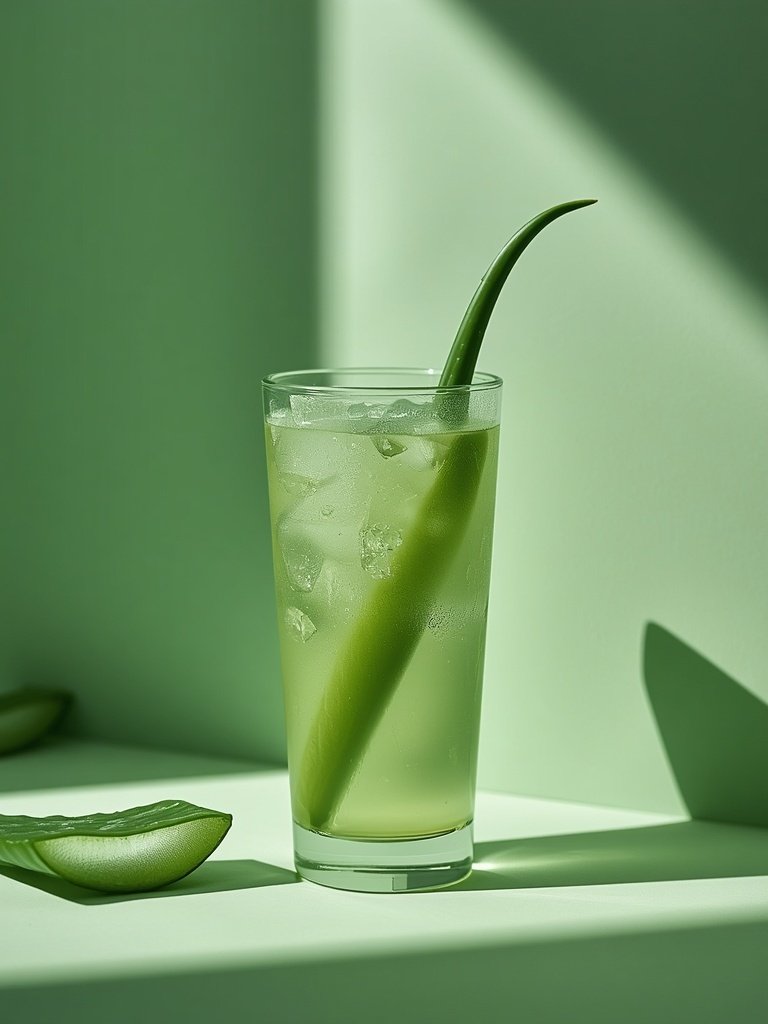
The aloe plant, long recognized for its health-promoting attributes, is gaining increasingly broader applications in both natural medicine and contemporary cosmetic formulations. Its succulent leaves harbor a wealth of bioactive compounds, including vitamins, minerals, enzymes, and regenerative polysaccharides. Consistent consumption of an aloe-based beverage may contribute to alleviating allergic symptoms, modulating glycemic levels in individuals with metabolic disorders, fortifying the body’s immune defenses, and accelerating skin repair mechanisms in cases of mechanical trauma or inflammatory conditions.
Phytochemical profile of aloe vera pulp: acemannan and functional polysaccharides
The inner leaf parenchyma of Aloe barbadensis Miller consists of 99% biologically structured water carrying over 75 bioactive phytochemicals. Its preeminent active constituent is acemannan—a complex beta-(1,4)-acetylated polymannose demonstrating distinct immunomodulatory and tissue-reparative efficacy.
Complementing acemannan are plant sterols (campesterol, beta-sitosterol), proteolytic anti-inflammatory enzymes (bradykinase), trace amino acids, and essential minerals including bioavailable zinc and magnesium.
Phytotherapeutic safety: elimination of cytotoxic aloin and emodin anthraquinones
A paramount pharmacological consideration in commercial aloe juices is the absolute purification from latex anthraquinones (aloin A, aloin B, and emodin). Concentrated beneath the leaf rind, anthraquinones act as harsh, dehydrating secretagogue laxatives capable of inducing pelvic hyperperfusion, hypokalemia, and mucosal mutagenicity.
Certified clinical-grade juices undergo rigorous active charcoal filtration and depulping, adhering to International Aloe Science Council (IASC) thresholds mandating aloin levels strictly below 1 ppm (< 1 mg/kg).
Gastroenterological and dermatological indications and quality selection criteria
Purified inner-fillet aloe juice forms a mucosal cytoprotective film across gastric and duodenal epithelium, mitigating acid-peptic erosion and soothing irritable bowel syndrome (IBS) flares. Systemically, it supports dermal collagen hydration.
Consumers must strictly distinguish functional clinical juices from commercial aloe-flavored sodas loaded with high-fructose corn syrup. Optimal selection demands 99.8% pure inner-gel juice packaged in amber glass bottles certified free of artificial sweeteners.
Want to apply these guidelines in your daily diet?
Our smart diet generator creates a tailored meal plan in 3 minutes based on the recommendations in this article.
Tags

Literatura: E. Cieślik, K. Turcza, „Właściwości prozdrowotne aloesu zwyczajnego Aloe vera (L.) Webb”, Post Fitoter, 2015, (16) 2, 117 A. Kukułowicz, I. Steinka, „ Aloes – możliwość wykorzystania jako suplementu diety”, Probl Hig Epidemiol, 2010, 91 (4), 632
Diets Premium Expert
Diets Premium team expert. Specializes in nutrition plans, strength sports, and training plans.