Products Recipes and Cuisine 3 min read

Acetic acid (ethanoic acid): physicochemical characteristics, acetic fermentation, impact on metabolism and prices


Clinical review: Laura Schneider
Acetic acid (ethanoic acid): physicochemical characteristics, acetic fermentation, impact on metabolism and prices
1 photo
840
Smart Voice AI
0:00
0:00
Listen to the article content live
Table of Contents 4

Medical & Editorial Disclaimer (§3 Terms): This article is for informational and educational purposes only, does not constitute medical advice, diagnosis, or treatment, and is used at your own risk. Consult a qualified physician for medical conditions.

Clinical E-Books & Diet Plans: Explore E-Books & Plans →
Key Takeaways
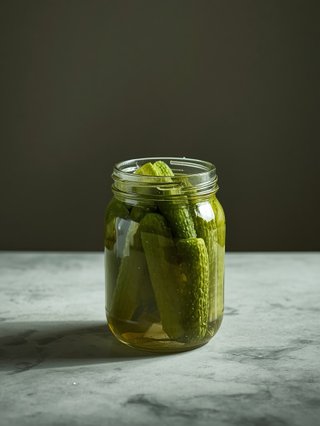
Acetic acid, systematically known as ethanoic acid, is a foundational short-chain organic monocarboxylic acid that holds a central place in cellular biochemistry, food preservation, and clinical nutrition. Beyond its familiar role as a culinary ingredient used for pickling vegetables and enhancing delicatessen dishes, human clinical research demonstrates that dilute acetic acid can meaningfully support healthy metabolic regulation. Understanding both the molecular dynamics and the physiological mechanisms of this compound empowers readers to incorporate culinary vinegars safely and effectively into a health-conscious lifestyle.

From a biochemical perspective, food-grade acetic acid is produced through oxidative biotransformation, wherein specialized bacteria convert ethanol into ethanoic acid via specific dehydrogenase enzymes under aerobic conditions. Once ingested, absorbed acetate interacts with hepatic signaling pathways by stimulating key metabolic enzymes that promote fatty acid oxidation while helping to downregulate lipid synthesis. Furthermore, consuming vinegar alongside carbohydrate-rich meals inhibits disaccharidase activity in the digestive tract and delays the rate of gastric emptying, a dual mechanism that helps attenuate postprandial glucose and insulin surges while naturally supporting satiety.

When selecting products in the commercial marketplace, consumers encounter a clear quality and pricing hierarchy ranging from distilled white spirit vinegar used for domestic pickling to unpasteurized organic apple cider vinegar containing the probiotic mother, as well as artisanal wooden-cask aged balsamic vinegars. For safe daily consumption, culinary vinegar must always be thoroughly diluted in room-temperature water to prevent chemical irritation of the pharyngeal and esophageal mucosa. To safeguard dental enamel from acid erosion, it is advisable to sip diluted vinegar beverages through a straw, rinse the mouth afterward with plain water, and delay toothbrushing to allow natural remineralization, while individuals with active peptic ulcers or severe erosive gastritis should refrain from internal use.

Acetic acid (ethanoic acid, CH3COOH) is an essential short-chain organic monocarboxylic acid occupying a central position in biochemistry, food technology, and pharmacology. Beyond its ubiquitous culinary use as vinegar, randomized clinical trials demonstrate that dilute acetic acid significantly dampens postprandial glycemic excursions, delays gastric emptying, and stimulates hepatic AMPK pathways. This comprehensive review examines its physical properties, biotechnological fermentation, physiological actions, and commercial pricing architecture.

01 / 04

Physicochemical Attributes and Biotechnological Fermentation Kinetics

Molecular properties and large-scale industrial manufacturing:

  • Glacial Acetic Acid Dynamics: Pure anhydrous acetic acid solidifies into ice-like crystals below 16.6°C (62°F), exhibiting a pKa of 4.76 and unlimited miscibility with water and organic solvents.
  • Oxidative Biotransformation: Acetic acid bacteria (Acetobacter aceti, Gluconobacter) oxidize ethanol via alcohol dehydrogenase and acetaldehyde dehydrogenase into ethanoic acid under aerobic sparging.
  • Chemical Synthesis: Global industrial production relies on methanol carbonylation mediated by rhodium or iridium catalytic complexes (Monsanto and Cativa technologies).
02 / 04

Metabolic Actions: Postprandial Glycemic Control and Lipid Oxidation

Evidence-based metabolic benefits documented in human trials:

  • Blunting Postprandial Spikes: Ingesting 15 ml to 30 ml of vinegar alongside high-carbohydrate meals attenuates postprandial glucose and insulin surges by 20% to 35% via disaccharidase inhibition and slowed gastric emptying.
  • Hepatic AMPK Activation: Absorbed acetate triggers hepatic AMP-activated protein kinase (AMPK), stimulating fatty acid beta-oxidation while suppressing lipogenesis.
  • Satiety Promotion: Delays gastric emptying rate, naturally prolonging satiety and facilitating adherence to caloric deficit goals.
03 / 04

Safety Guidelines, Dental Enamel Protection, and Usage Protocols

Crucial administration rules to prevent mucosal or dental injury:

  • Mandatory Dilution: Ingesting undiluted vinegar risks chemical pharyngeal irritation and esophageal ulceration; always dilute 1–2 tablespoons (15–30 ml) in 250 ml of room-temperature water.
  • Protecting Dental Enamel: Drink through a straw and rinse mouth thoroughly with clean water; delay toothbrushing for 30 minutes to permit enamel remineralization.
  • Contraindications: Individuals with active peptic ulcer disease, severe erosive gastritis, or gastroparesis should avoid medicinal vinegar protocols.
04 / 04

Market Overview, Quality Grading, and Pricing Architecture

Commercial market segmentation and pricing metrics:

  • Distilled White Spirit Vinegar: Mass-market commodity priced at £0.60 to £1.20 per liter (€0.70–€1.40 / ~3–5 PLN), used for domestic pickling and sanitization.
  • Organic Raw Apple Cider Vinegar (with the 'Mother'): Unpasteurized functional probiotic product retailing at £2.50 to £5.00 (€3–€6 / ~12–25 PLN) per 500–750 ml bottle.
  • Traditional Aged Balsamic Vinegars: Premium wooden-cask aged artisanal vinegars commanding £30 to £120+ per 100 ml for specialized gastronomic use.
Meal Plan

Want to apply these guidelines in your daily diet?

Our smart diet generator creates a tailored meal plan in 3 minutes based on the recommendations in this article.

Literatura:
K. Górska, J. Pietkiewicz, „Funkcje technologiczne i charakterystyka kwasów dodawanych do żywności”, Nauki Inżynierskie i Technologie 1, 2009, 57, 141-157,
M. Kupczewska-Dobecka, „Kwas octowy – dokumentacja dopuszczalnych wielkości narażenia zawodowego”, Podstawy i Metody Oceny Środowiska Pracy, 2013, 3, 25-58.
Scientifically reviewed by a clinical dietitian • 23.10.2026

Literatura: K. Górska, J. Pietkiewicz, „Funkcje technologiczne i charakterystyka kwasów dodawanych do żywności”, Nauki Inżynierskie i Technologie 1, 2009, 57, 141-157, M. Kupczewska-Dobecka, „Kwas octowy – dokumentacja dopuszczalnych wielkości narażenia zawodowego”, Podstawy i Metody Oceny Środowiska Pracy, 2013, 3, 25-58.

Diets Premium Expert

Diets Premium team expert. Specializes in nutrition plans, strength sports, and training plans.

USDA FoodData Central EFSA PubMed Clinical Guidelines
Loading
Recommended articles in this category

Related Articles

Discover similar publications and expert insights.

White Bell Pepper – Unique Characteristics, Vitamin Profile, and Nutritional Value in the Modern Diet
Food & Ingredients

White Bell Pepper – Unique Characteristics, Vitamin Profile, and Nutritional Value in the Modern Diet

⏱ 2 min czytania 📚 Food & Ingredients
#Culinary Ingredient #Nutritional Value
Dried dates - health benefits... dried dates and weight reduction

Health Conditions

Dried dates - health benefits... dried dates and weight reduction

⏱ 4 min czytania 📚 Health Conditions
#Health Benefits #Dried Fruits
Lacto-fermented cucumbers: Traditional lactic acid fermentation and health attributes
Pickled Vegetables

Lacto-fermented cucumbers: Traditional lactic acid fermentation and health attributes

⏱ 2 min czytania
#Pickled Vegetables #Fermentation
Cucumbers: Health benefits, nutritional values and dietary uses
European Cuisine

Cucumbers: Health benefits, nutritional values and dietary uses

⏱ 2 min czytania
#European Cuisine #Pickles
Bay Leaf – Versatile Ally for Joints, Hair Vitality, and Weight Management. Evidence-Based Therapeutic Properties of Laurus nobilis
Food & Ingredients

Bay Leaf – Versatile Ally for Joints, Hair Vitality, and Weight Management. Evidence-Based Therapeutic Properties of Laurus nobilis

⏱ 3 min czytania 📚 Food & Ingredients
#Traditional Polish Dishes #Health Benefits Of Meat
Leeks in the Daily Diet: Nutritional Values, Caloric Content, and Culinary Inspirations
European Cuisine

Leeks in the Daily Diet: Nutritional Values, Caloric Content, and Culinary Inspirations

⏱ 2 min czytania
#European Cuisine #Herbal Medicine
Tomato: Nutritional profile, role in pregnancy, gout management, and healthy recipes
Pregnancy & Motherhood

Tomato: Nutritional profile, role in pregnancy, gout management, and healthy recipes

⏱ 6 min czytania 📚 Pregnancy & Motherhood
#Vegetable Cultivation #Nutritional Values
Therapeutic properties and applications of argan oil in natural medicine and dermatological care
Culinary Traditions

Therapeutic properties and applications of argan oil in natural medicine and dermatological care

⏱ 4 min czytania
#Culinary Traditions #Traditional Dishes
Parsnip (Pastinaca sativa) – Nutritional Properties, Culinary Applications, and Creamy Parsnip Soup Recipe
Food & Ingredients

Parsnip (Pastinaca sativa) – Nutritional Properties, Culinary Applications, and Creamy Parsnip Soup Recipe

⏱ 4 min czytania 📚 Food & Ingredients
#Nutritional Properties #Culinary Traditions
Fermented Fruits and Vegetables – Health Benefits of Natural Probiotics and Recipe for Pickled Cucumbers
Food Preservation

Fermented Fruits and Vegetables – Health Benefits of Natural Probiotics and Recipe for Pickled Cucumbers

⏱ 3 min czytania
#Food Preservation #Health Benefits
Kiwano (Horned Melon, Cucumis metuliferus): Botanical characteristics, nutritional profile, and culinary applications
Culinary Uses

Kiwano (Horned Melon, Cucumis metuliferus): Botanical characteristics, nutritional profile, and culinary applications

⏱ 3 min czytania
#Culinary Uses #Vegetables
Plant-derived milk substitutes: characteristics, variety, and homemade preparation techniques for vegetable-based beverages
Dairy-Free Beverages

Plant-derived milk substitutes: characteristics, variety, and homemade preparation techniques for vegetable-based beverages

⏱ 5 min czytania 📚 Dairy-free Beverages
#Plant-based Milk Alternatives #Lactose Intolerance
Rapeseed-derived floral nectar substitute – bioactive composition, health-promoting attributes, and functional applications in culinary and cosmetic contexts
Food & Ingredients

Rapeseed-derived floral nectar substitute – bioactive composition, health-promoting attributes, and functional applications in culinary and cosmetic contexts

⏱ 3 min czytania 📚 Food & Ingredients
#Health Benefits #Functional
Vegetable with Pronounced Flavor
Vegetable Dishes

Vegetable with Pronounced Flavor

⏱ 3 min czytania
#Vegetable Dishes #Vegetables
Breastfeeding and consuming chocolate, honey, pickles, etc. - What can you safely eat during lactation?
Health

Breastfeeding and consuming chocolate, honey, pickles, etc. - What can you safely eat during lactation?

⏱ 6 min czytania 📚 Health
#Pickles #Chocolate
How living bacterial cultures function and their applications
Fermented Foods

How living bacterial cultures function and their applications

⏱ 5 min czytania
#Fermented Foods #Health Benefits
Lightly salted half-sour pickles: Health benefits, biological distinctions from sour pickles, and a step-by-step homemade preparation guide
Nutritional Properties

Lightly salted half-sour pickles: Health benefits, biological distinctions from sour pickles, and a step-by-step homemade preparation guide

⏱ 4 min czytania
#Nutritional Properties #Dietary Benefits
Fermented sour pickles versus vinegar-pickled cucumbers: A comparative nutritional and clinical health analysis
Nutritional Value

Fermented sour pickles versus vinegar-pickled cucumbers: A comparative nutritional and clinical health analysis

⏱ 5 min czytania
#Nutritional Value #Pickled Cucumber
Coconut milk – a traditional recipe, nutritious composition, and versatile applications in culinary and beyond
Dairy-Free Beverages

Coconut milk – a traditional recipe, nutritious composition, and versatile applications in culinary and beyond

⏱ 4 min czytania 📚 Dairy-free Beverages
#Versatile Ingredient #Culinary Traditions
Acidification – Preservative Properties and Nutrients
Traditional Polish Dishes

Acidification – Preservative Properties and Nutrients

⏱ 4 min czytania
#Traditional Polish Dishes #Food Preservation
Dr. Dąbrowska's nutritional approach - the degree of weight reduction. Implementing the final steps in Dr. Dąbrowska's diet
Food & Ingredients

Dr. Dąbrowska's nutritional approach - the degree of weight reduction. Implementing the final steps in Dr. Dąbrowska's diet

⏱ 4 min czytania 📚 Food & Ingredients
#Weight Loss #Vegetable
Peppers (Genus Capsicum) – Vitamin C Powerhouse, Antioxidant Profile, and Culinary & Therapeutic Applications
Food & Ingredients

Peppers (Genus Capsicum) – Vitamin C Powerhouse, Antioxidant Profile, and Culinary & Therapeutic Applications

⏱ 2 min czytania 📚 Food & Ingredients
#Nutritional Composition #Traditional Medicine
Bell Pepper: Nutritional Characteristics, Health Benefits, and Chromatic Diversity Across Cultivars
Liver Detox

Bell Pepper: Nutritional Characteristics, Health Benefits, and Chromatic Diversity Across Cultivars

⏱ 3 min czytania 📚 Liver Detox
#Nutritional Ingredients #Health Benefits
Chuska Hot Pepper (Capsicum annuum) – Health Properties, Capsaicin Pharmacology, and Anticancer Potential
Food & Ingredients

Chuska Hot Pepper (Capsicum annuum) – Health Properties, Capsaicin Pharmacology, and Anticancer Potential

⏱ 3 min czytania 📚 Food & Ingredients
#Versatile Ingredient #Bioactive Compounds
Orange-Yellow Sweet Bell Pepper – Health Benefits, Lutein, Caloric Value, and Culinary Uses
Food & Ingredients

Orange-Yellow Sweet Bell Pepper – Health Benefits, Lutein, Caloric Value, and Culinary Uses

⏱ 2 min czytania 📚 Food & Ingredients
#Cardiovascular Health #Bioactive Compounds
Yellow Bell Pepper – Health Benefits, Lutein and Zeaxanthin, Nutritional Value, and Vitamin Profile
Food & Ingredients

Yellow Bell Pepper – Health Benefits, Lutein and Zeaxanthin, Nutritional Value, and Vitamin Profile

⏱ 3 min czytania 📚 Food & Ingredients
#Nutritional Composition #Nutritional Ingredients
Carrots: a comprehensive guide to cultivar diversity, nutritional composition, and health-promoting attributes
Vegetables

Carrots: a comprehensive guide to cultivar diversity, nutritional composition, and health-promoting attributes

⏱ 5 min czytania 📚 Vegetables
#Nutritional Requirements #Nutritional Composition
Turmeric (Curcuma longa): nutritional profile, mechanisms of action, piperine synergy, and functional culinary applications
Food & Ingredients

Turmeric (Curcuma longa): nutritional profile, mechanisms of action, piperine synergy, and functional culinary applications

⏱ 4 min czytania 📚 Food & Ingredients
#Bioactive Compounds In Plants #Anti-inflammatory Compounds
Turmeric: The golden treasure of Indian gastronomy, Far Eastern traditional medicine, and authentic Golden Milk (Haldi Doodh)
Food & Ingredients

Turmeric: The golden treasure of Indian gastronomy, Far Eastern traditional medicine, and authentic Golden Milk (Haldi Doodh)

⏱ 2 min czytania 📚 Food & Ingredients
#Traditional Indian Medicine #Culinary Traditions
Tahini Paste Explained: Characteristics, Pricing, and Where to Buy. How to Make Sesame Paste and Its Culinary Uses
Food & Ingredients

Tahini Paste Explained: Characteristics, Pricing, and Where to Buy. How to Make Sesame Paste and Its Culinary Uses

⏱ 4 min czytania 📚 Food & Ingredients
#Culinary Traditions #Culinary Uses
For Trainees

Latest Diets

Discover other diet plans with similar goals and nutrients.

Share