3 min read
5 Reasons Why Fast Processed Food is Deadly Dangerous
1 photo
2781
Smart Voice
AI
0:00
0:00
Listen to the article content live
Table of Contents 5
Key Takeaways
Fast food, while convenient and quick, has several serious drawbacks. One of them is trans fats, which are present in deep-fried products. These fats raise LDL cholesterol levels, lower HDL levels, and have pro-inflammatory effects in our bodies. Fast food also contains a lot of salt, which can lead to health problems such as high blood pressure, atherosclerosis, diabetes, and obesity. In addition, fast food contains phthalates, which are chemical compounds used in the production of plastics. The presence of these compounds in the body is associated with serious health problems in children and adults. Fast food can also contain low-quality products filled with fillers such as connective tissue, blood vessels, fat tissue, plant material, cartilage, and bones. Furthermore, fast food does not contain essential nutrients such as vitamins and minerals, which are necessary for the regulatory mechanisms of our body. As a result, consuming fast food can weaken the immune system, slow down metabolism, and make us feel overwhelmed.
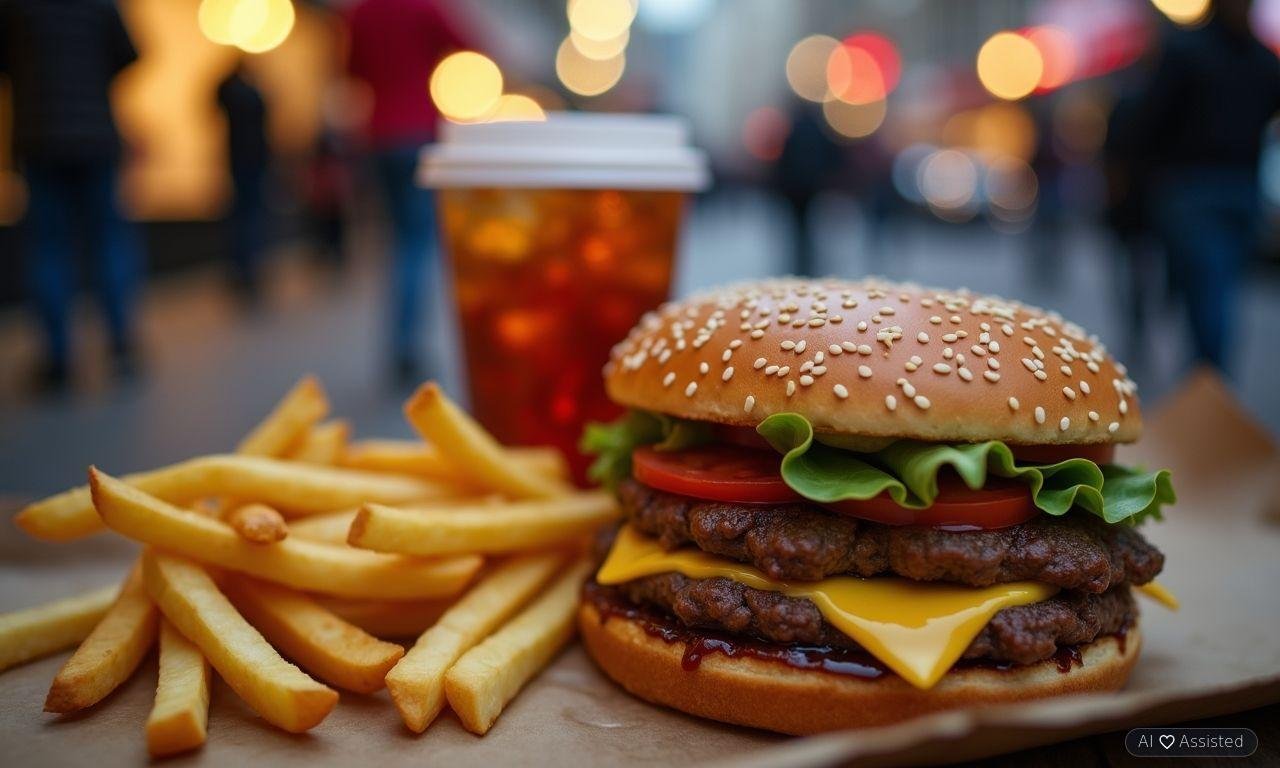
In 1921, the first fast-food restaurant was established in the United States, and now such establishments can be found everywhere in the world, in every city, at every road. This rapid rise in popularity is largely due to our preferences - customers who enjoy quickly tasting a piece of heavily fried, meat-like product, snacking on overly caloric fries, and drinking the entire meal with a mixture of water, sugar, and flavor-altering substances.
01 / 05
Fatty acids with trans configuration
These fatty acids belong to the family of monounsaturated and polyunsaturated fats, but do not let this information mislead you. The healthy acids in this group have double bonds of cis structure. However, the fatty acids that can be found in fries have a modified structure known as trans. Such a small change has significant impacts on our health. Trans fats in our diet raise LDL cholesterol levels, lowering HDL levels. Furthermore, they have pro-inflammatory effects in our bodies. All these characteristics make fatty acids with trans configuration almost guarantee the formation of cholesterol plaques in our circulatory system, leading to atherosclerosis. Fast food contains a lot of these fats as it is fried in deep, low-quality fat. The high temperature used for frying accelerates the further accumulation of this toxic fraction of fatty acids. Americans should be particularly sensitive to this issue, as according to research by Dr. Steen Stender from the University of Denmark, our fast food restaurants contain particularly high amounts of fatty acids with trans configuration compared to other countries in Europe or in the world.
02 / 05
This is the salt
Salt is close to our hearts because it is almost an integral part of Polish cuisine. It can enhance the flavor of any dish we cook, and in the case of fast food, it can also mask certain flavors we shouldn't be tasting. Although there is often a warning about the dangers of salt consumption, it doesn't really have to be unhealthy. A small amount of salt added to a dish is not a cause for concern, but with increasing consumption, health problems start to arise. The most common include hypertension, which is also linked to other symptoms of metabolic syndrome, such as atherosclerosis, diabetes, and obesity. A high salt content is also partly responsible for making fast food so enticing and unsatisfying - because salt reduces the feeling of fullness that comes from consuming fats in the diet.
03 / 05
Phthalates and their halogenated derivatives
Phthalates, which are usually concealed by abbreviations such as DEHP and DiNP, are typically utilized in the manufacturing of synthetic materials to enhance their durability and flexibility. They can be detected in a wide array of products, including construction materials, cosmetics, toys, and fast food items. Their presence in the body is associated with significant health issues in children and adults. This is particularly disconcerting, considering that research reveals up to twice the concentration of DEHP and DiNP in individuals who consume fast food.
04 / 05
Flat-rolled steel products of non-alloy or iron
Despite fast food restaurants being in the culinary industry, they could thrive in the market for magical tricks and optical illusions. You order a hamburger. You are informed it's meat; you think it is meat; it even looks like meat, but it has little to do with real meat. A thorough study of the composition of the hamburger was conducted in 2008 by Dr. Brigid Prayson.
05 / 05
Lack of Nutritious Substances
A classic fast food meal is not only rich in components harmful to our body, but it also lacks valuable vitamins and minerals that are extremely essential for the proper functioning of regulatory mechanisms. As a result, we weaken our immune systems, slow down metabolic processes, and feel a sense of general weakness, as if someone has taken away our energy, despite the fact that we have provided our body with over 1,000 calories, which we can now admire, looking down at our stomachs.
Meal Plan
Want to apply these guidelines in your daily diet?
Our smart diet generator creates a tailored meal plan in 3 minutes based on the recommendations in this article.

Scientifically reviewed by a clinical dietitian
• 23.03.2026
Olivia Davis
Diets Premium Expert
Diets Premium team expert. Specializes in nutrition plans, strength sports, and training plans.
USDA FoodData Central
EFSA
PubMed Clinical Guidelines