5 Reasons to Consider Eating Chia Seeds
Smart Voice
AITable of Contents 5
Superfoods are becoming increasingly common on our tables, such as Chia seeds, which in their simplicity of application make it easier to incorporate into your daily diet. Colorful puddings made from cow's milk or vegetable milk with fruit additives not only whet the appetite, but also taste delicious, while also providing valuable nutrients. Learn about the benefits of consuming Chia seeds, and you will surely also decide to join the ranks of their fans.
Spanish sage seeds (Salvia hispanica L.): An ancient nutritional powerhouse with contemporary health applications
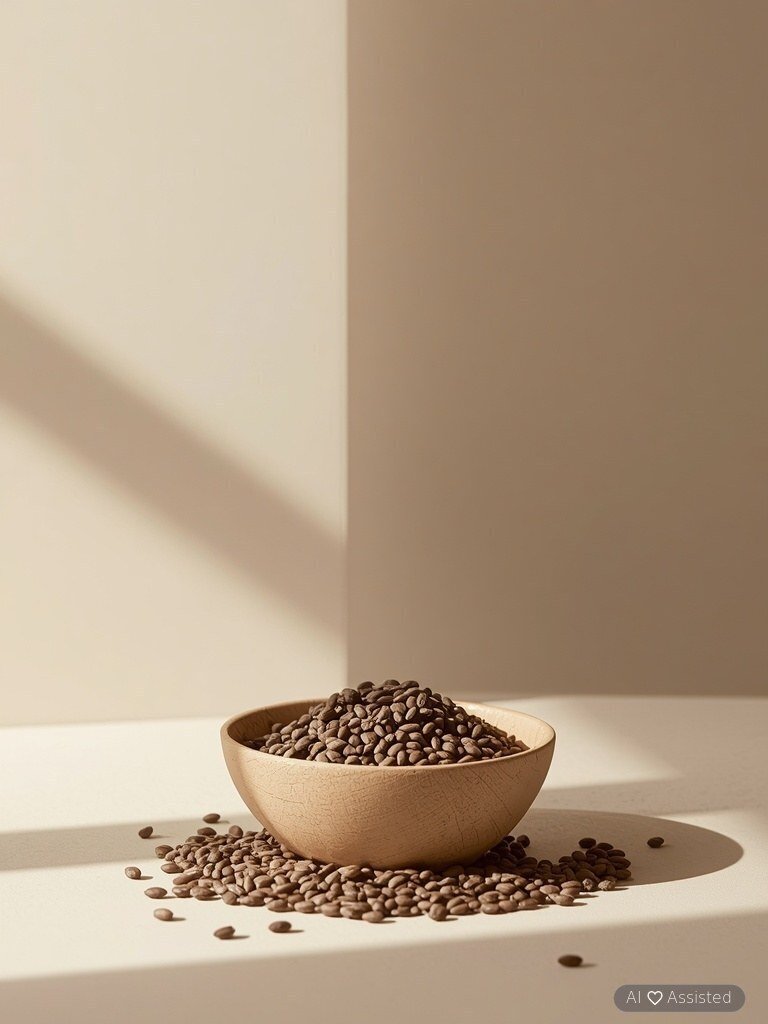
The seeds of Spanish sage, commonly referred to as chia seeds, originate from the South American regions where they have constituted a dietary cornerstone for indigenous populations—including the Aztecs and Mayans—for centuries. In contemporary times, they have garnered renewed attention not solely for their exceptional nutritional profile but also for their subtle yet distinctive flavor, which enhances a wide array of culinary preparations. The term "chia," derived from the Mayan language, symbolized strength and vitality—qualities that aptly encapsulate the properties of these diminutive, lustrous seeds. Historical accounts reveal that Aztec warriors routinely consumed chia seeds to bolster their physical endurance and secure the energy reserves essential for combat. Within modern nutritional science, these seeds are categorized as functional foods, signifying that beyond their basic nutritive role, they actively modulate key physiological and metabolic processes within the human body. In terms of nutritional composition, chia seeds exhibit remarkable density: a single standard serving (approximately 28 grams) provides the body with 137 kilocalories, alongside substantial quantities of micronutrients, including 18% of the daily recommended intake of calcium, 30% of magnesium, 27% of phosphorus, and 5 grams of essential omega-3 fatty acids, which play a pivotal role in maintaining cardiovascular health and cognitive function.
The remarkable nutritional properties of chia seeds: Why they deserve a place in your diet
Chia seeds represent an exceptionally valuable addition to daily nutrition due to their rich nutritional composition. Comprising 46% carbohydrates, of which an impressive 83% is dietary fiber, a mere 10-gram serving provides the body with 11 grams of fiber—covering a substantial portion of the recommended daily intake. This high-quality fiber, primarily insoluble, exhibits remarkable water-absorbing properties, expanding the volume of consumed food, which proves particularly beneficial during weight loss efforts. The mechanical action of this fiber fraction stimulates intestinal blood circulation, enhancing nutrient absorption, accelerating colonic peristalsis, and increasing digestive gland secretions.
These small yet potent seeds contain approximately 34% healthy fats, serving as a vital source of essential unsaturated fatty acids. Due to their satiating nature, they are particularly favored by individuals following reduction diets. These fats play a crucial role in the absorption of fat-soluble vitamins (A, D, E, K). Moreover, chia seeds are recognized as the premier plant-based source of omega-3 fatty acids, which demonstrate anti-inflammatory effects, decelerate aging processes, and—when consumed in proper balance with omega-6 fatty acids—protect against cardiovascular diseases. However, it is important to note that the human body has limited capacity to convert the alpha-linolenic acid (ALA) found in these seeds into its active forms, eicosapentaenoic acid (EPA) and docosahexaenoic acid (DHA). Therefore, chia seeds should not be the sole source of these fatty acids in one’s diet.
The antioxidants present in chia seeds exhibit a broad spectrum of health-promoting properties. They combat inflammatory processes, demonstrate anticancer effects, slow cellular aging, and serve as a preventive measure against cardiovascular diseases. Regular consumption contributes to lowering blood pressure and reduces the risk of inflammatory conditions. Additionally, chia seeds are a safe choice for individuals with gluten intolerance, including those with celiac disease, gluten allergies, or sensitivity. In elimination diets, they serve as a valuable supplement, compensating for potential nutrient deficiencies resulting from the exclusion of certain food groups.
Chia seeds are also an excellent source of minerals essential for bone health, such as calcium, magnesium, and phosphorus. They are particularly recommended for older adults and individuals on reduction diets who face an increased risk of fractures. The seeds can serve as an alternative for those avoiding dairy products for health reasons or ethical choices, such as vegans. Thanks to their neutral flavor, chia seeds can be easily incorporated into a wide variety of dishes—from savory salads to sweet oatmeal. Their water-absorbing properties enable the preparation of delicious desserts like puddings and allow their use as an egg substitute in baking. The versatility of these seeds makes their inclusion in one’s diet both nutritionally and culinary advantageous.
Support for metabolism and weight management through chia seeds
Due to their unique physicochemical properties, chia seeds play a significant role in regulating metabolism and supporting weight reduction processes. When the seeds come into contact with liquids such as water, milk, or plant-based alternatives, they can absorb up to twelve times their own weight. This creates a gelatinous matrix of soluble mucilage fibers around each seed.
This viscous mass delays gastric emptying and significantly prolongs the digestive process. Consequently, it promotes long-lasting satiety, minimizes sudden hunger cravings, and naturally reduces daily calorie intake. Furthermore, chia seeds help stabilize postprandial blood glucose levels by slowing down the absorption of glucose into the bloodstream, making them particularly beneficial for individuals with insulin resistance or type 2 diabetes.
Cardiovascular health and anti-inflammatory properties
The cardiovascular system benefits immensely from the regular inclusion of chia seeds in the diet. The high concentration of alpha-linolenic acid (ALA) contributes significantly to maintaining normal blood cholesterol levels. Clinical observations indicate that dietary enrichment with these seeds helps reduce LDL cholesterol and triglyceride levels while maintaining protective HDL cholesterol.
Additionally, the antioxidants present in chia, including chlorogenic acid and caffeic acid, combat oxidative stress, which is a primary driver of endothelial damage and atherosclerosis. The vasodilatory and blood-pressure-lowering effects reduce the workload on the heart and lower the long-term risk of strokes and heart attacks.
Practical tips for culinary integration in everyday life
Incorporating chia seeds into your daily diet requires no complex cooking techniques. Due to their mild, neutral flavor, they blend seamlessly into both sweet and savory dishes. They can be consumed whole or ground; however, grinding them just before consumption can help enhance the bioavailability of certain nutrients, such as omega-3 fatty acids.
Classic culinary uses include preparing overnight chia pudding with yogurt or plant-based milk, sprinkling them over salads, soups, and smoothies, or using them as a natural thickening agent in sauces and gravies. Vegan recipes frequently utilize ground chia seeds as an efficient egg substitute in baking: one tablespoon of seeds mixed with three tablespoons of water replaces a single egg by perfectly mimicking its binding properties. It is always recommended to ensure adequate daily fluid intake when consuming chia seeds to facilitate optimal digestion and allow the fiber to work effectively.
Want to apply these guidelines in your daily diet?
Our smart diet generator creates a tailored meal plan in 3 minutes based on the recommendations in this article.

mgr Literatura: Pietrich A, Filip R. Wpływ diety redukcyjnej na masę ciała u osób z nadwagą i otyłością. Probl Hig Epidemiol 2011; 92(3):577-579. Wystrychowski G, Żukowska-Szczechowska E, Obuchowicz E i wsp. Węlowodanowe substancje słodzące. Przegl Lek 2012; 69(4): 157-162. Peckenpaugh N, Podstawy żywienia i dietoterapia, Elsevier Urban & Partner, Wrocław 2011. http://nutritiondata.self.com/facts/nut-and-seed-products/3061/2 [dostęp 18.05.2017] Reyes-Caudillo, E., Tecante, A., & Valdivia-López, M. A. (2008). Dietary fibre content and antioxidant activity of phenolic compounds present in Mexican chia (Salvia hispanica L.) seeds. Food Chemistry , 656–663. Sandoval-Oliveros, M. R., & Paredes-López, O. (2013). Isolation and Characterization of Proteins from Chia Seeds (Salvia hispanica L.). Journal of Agricultural and Food Chemistry , 193–201. https://doi.org/10.1021/jf3034978
Diets Premium Expert
Diets Premium team expert. Specializes in nutrition plans, strength sports, and training plans.