


Diet Blog – Weight Loss, Nutrition and Training Tips | Diets Premium Skip to main content

4

The protective role of phenolic compounds in cardiovascular disease prevention: scientific evidence from the BACCHUS project
Nuts
The protective role of phenolic compounds in cardiovascular disease prevention: scientific evidence from the BACCHUS project
⏱ 2 min czytania
#Nuts #Vegetables
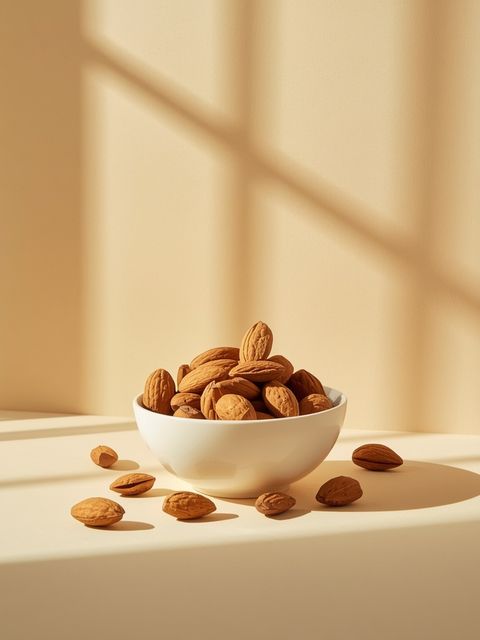
2024 research findings demonstrate how almond consumption significantly boosts high-density lipoprotein (HDL) cholesterol levels
Nutritional Science
2024 research findings demonstrate how almond consumption significantly boosts high-density lipoprotein (HDL) cholesterol levels
⏱ 2 min czytania 📚 Nutritional Science
#Cardiovascular Disease Prevention #Cardiovascular Disease
Baltic, Atlantic, and farmed salmon: A comprehensive assessment of health benefits and potential risks associated with regular consumption
Food & Ingredients
Baltic, Atlantic, and farmed salmon: A comprehensive assessment of health benefits and potential risks associated with regular consumption
⏱ 5 min czytania 📚 Food & Ingredients
#Cardiovascular Disease Prevention #Cardiovascular Health Risks
The role of L-carnitine and lecithin supplementation in cardiovascular disease prevention: a risk-benefit assessment
Nutritional Science
The role of L-carnitine and lecithin supplementation in cardiovascular disease prevention: a risk-benefit assessment
⏱ 2 min czytania 📚 Nutritional Science
#Cardiovascular Disease Prevention #Cardiovascular Disease

FAQ: Frequently Asked Questions

Are saturated fats unhealthy?
Saturated fats should be consumed in moderation as high intake is linked to heart disease risk.
What is cardiovascular disease?
Cardiovascular disease refers to conditions that involve narrowed or blocked blood vessels.
How important is stretching?
Stretching maintains flexibility and range of motion in joints.
How does alcohol affect the liver?
Excessive alcohol can lead to liver inflammation, fatty liver, and cirrhosis.
How does aging affect metabolism?
Metabolism typically slows down with age due to muscle loss and hormonal changes.

Share