1 / 1
1 zdjęcie
1064
Model Context Protocol (MCP)
Other AI applications can retrieve structured JSON data for this entity using authentication.
https://dietspremium.com/en/_mcp/food/platzli-cut-of-wings-calf-rind-pork-fried-without-addition-of-fat-and-salt
API Route
Direct access to structured JSON data via a dedicated API endpoint.
https://dietspremium.com/en/api/food/platzli-cut-of-wings-calf-rind-pork-fried-without-addition-of-fat-and-salt
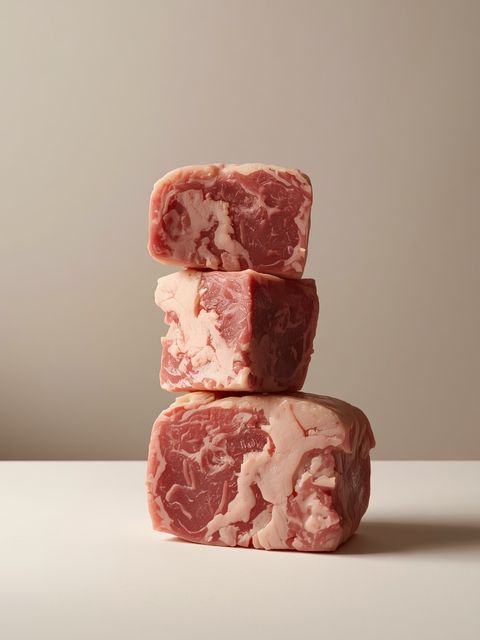
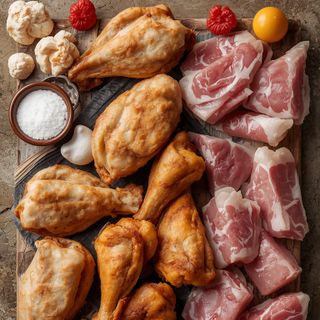
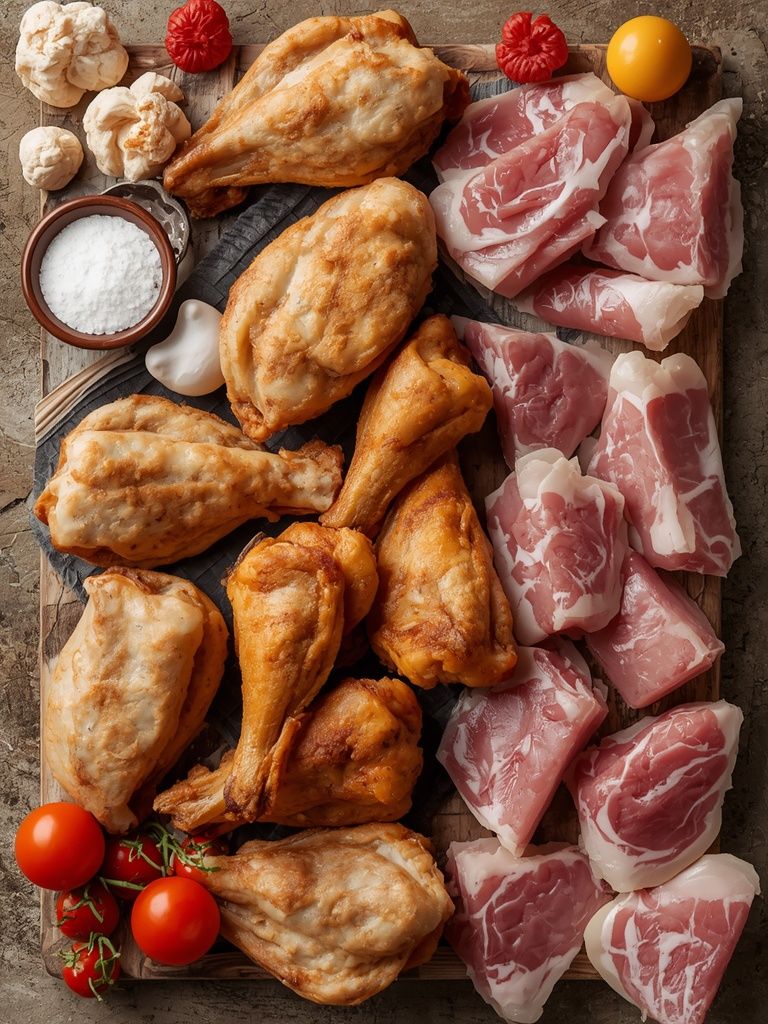
Plätzli (cut of wings, calf, rind, pork), fried (without addition of fat and salt)
Base: 100g
No Added Fat
Pork
Sautéed
Pan-Fried
Fried
145 KCAL
KCAL / 100g
29.2g
Protein
3.1g
Fat
0.1g
Carbohydrates
AI Voice
Listen to the article content live
PROFIL ODŻYWCZY & BIOAKTYWNOŚĆ
Nutrients
Precyzyjna analiza mikro- i makroskładników wraz z pokryciem dziennego zapotrzebowania (RDA).
SKŁADNIK
Ash
0.9
g
SKŁADNIK
Boron
0.01
mg
SKŁADNIK
1% RDA
Calcium
10
mg
SKŁADNIK
Calories
158
kcal
SKŁADNIK
Carbohydrate
0.1
g
SKŁADNIK
Carotene Beta
3
mg
SKŁADNIK
Chloride
170
mg
SKŁADNIK
Chlorine
110
mg
SKŁADNIK
Cholesterol
78
mg
SKŁADNIK
Chromium
0.01
µg
SKŁADNIK
Cobalt
0
µg
SKŁADNIK
Copper
0.05
mg
SKŁADNIK
Energy
662
kJ
SKŁADNIK
4% RDA
Fat
3.1
g
SKŁADNIK
Fatty monounsaturated
1.4
g
SKŁADNIK
Fatty polyunsaturated
0.4
g
SKŁADNIK
Fatty saturated
1.1
g
SKŁADNIK
Fatty trans
0.05
g
SKŁADNIK
4% RDA
Fiber
1
g
SKŁADNIK
Fluoride
0.01
mg
SKŁADNIK
1% RDA
Iodine
1.8
µg
SKŁADNIK
11% RDA
Iron
1.5
mg
SKŁADNIK
Lutein + zeaxanthin
10
mg
SKŁADNIK
7% RDA
Magnesium
27
mg
SKŁADNIK
Manganese
0.02
mg
SKŁADNIK
Molybdenum
0.01
µg
SKŁADNIK
Natron
68
g
SKŁADNIK
Nickel
0
mg
SKŁADNIK
Nitrogen
4.67
g
SKŁADNIK
Omega 3
0.03
g
SKŁADNIK
Omega 6
0.35
g
SKŁADNIK
33% RDA
Phosphorus
230
mg
SKŁADNIK
15% RDA
Potassium
300
mg
SKŁADNIK
58% RDA
Protein
29.2
g
SKŁADNIK
Protein Animal
29.2
g
SKŁADNIK
Protein Plant
1
g
SKŁADNIK
Retinol
4
µg
SKŁADNIK
Salt
0.2
g
SKŁADNIK
36% RDA
Selenium
20
µg
SKŁADNIK
5% RDA
Sodium
100
mg
SKŁADNIK
Sugar
0.1
g
SKŁADNIK
Sulfur
210
mg
SKŁADNIK
Taurine
30
mg
SKŁADNIK
Total Carbohydrates
0.1
g
SKŁADNIK
Total Fat
3.1
g
SKŁADNIK
1% RDA
Vitamin A
5
µg
SKŁADNIK
Vitamin ARE
5
µg
SKŁADNIK
Vitamin B1 (Thiamin)
0.43
mg
SKŁADNIK
Vitamin B12 (Cobalamin)
1.05
µg
SKŁADNIK
Vitamin B2 (Riboflavin)
0.21
mg
SKŁADNIK
Vitamin B3 (Niacin)
7.82
mg
SKŁADNIK
Vitamin B4 (Choline)
80
mg
SKŁADNIK
Vitamin B5 (Pantothenic acid)
0.91
mg
SKŁADNIK
Vitamin B6 (Pyridoxine)
0.41
mg
SKŁADNIK
Vitamin B7 (Biotin)
2
mg
SKŁADNIK
Vitamin B9 (Folate)
7.4
µg
SKŁADNIK
3% RDA
Vitamin D
0.4
µg
SKŁADNIK
Vitamin D3
0.4
µg
SKŁADNIK
2% RDA
Vitamin E
0.2
mg
SKŁADNIK
480% RDA
Vitamin K
360
µg
SKŁADNIK
Water
67.7
g
SKŁADNIK
30% RDA
Zinc
3
mg
| Name | Kategoria | Ilość | % RDA |
|---|---|---|---|
| Ash | - | 0.9 g | - |
| Boron | - | 0.01 mg | - |
| Calcium | - | 10 mg | 1% |
| Calories | - | 158 kcal | - |
| Carbohydrate | - | 0.1 g | - |
| Carotene Beta | - | 3 mg | - |
| Chloride | - | 170 mg | - |
| Chlorine | - | 110 mg | - |
| Cholesterol | - | 78 mg | - |
| Chromium | - | 0.01 µg | - |
| Cobalt | - | 0 µg | - |
| Copper | - | 0.05 mg | - |
| Energy | - | 662 kJ | - |
| Fat | - | 3.1 g | 4% |
| Fatty monounsaturated | - | 1.4 g | - |
| Fatty polyunsaturated | - | 0.4 g | - |
| Fatty saturated | - | 1.1 g | - |
| Fatty trans | - | 0.05 g | - |
| Fiber | - | 1 g | 4% |
| Fluoride | - | 0.01 mg | - |
| Iodine | - | 1.8 µg | 1% |
| Iron | - | 1.5 mg | 11% |
| Lutein + zeaxanthin | - | 10 mg | - |
| Magnesium | - | 27 mg | 7% |
| Manganese | - | 0.02 mg | - |
| Molybdenum | - | 0.01 µg | - |
| Natron | - | 68 g | - |
| Nickel | - | 0 mg | - |
| Nitrogen | - | 4.67 g | - |
| Omega 3 | - | 0.03 g | - |
| Omega 6 | - | 0.35 g | - |
| Phosphorus | - | 230 mg | 33% |
| Potassium | - | 300 mg | 15% |
| Protein | - | 29.2 g | 58% |
| Protein Animal | - | 29.2 g | - |
| Protein Plant | - | 1 g | - |
| Retinol | - | 4 µg | - |
| Salt | - | 0.2 g | - |
| Selenium | - | 20 µg | 36% |
| Sodium | - | 100 mg | 5% |
| Sugar | - | 0.1 g | - |
| Sulfur | - | 210 mg | - |
| Taurine | - | 30 mg | - |
| Total Carbohydrates | - | 0.1 g | - |
| Total Fat | - | 3.1 g | - |
| Vitamin A | - | 5 µg | 1% |
| Vitamin ARE | - | 5 µg | - |
| Vitamin B1 (Thiamin) | - | 0.43 mg | - |
| Vitamin B12 (Cobalamin) | - | 1.05 µg | - |
| Vitamin B2 (Riboflavin) | - | 0.21 mg | - |
| Vitamin B3 (Niacin) | - | 7.82 mg | - |
| Vitamin B4 (Choline) | - | 80 mg | - |
| Vitamin B5 (Pantothenic acid) | - | 0.91 mg | - |
| Vitamin B6 (Pyridoxine) | - | 0.41 mg | - |
| Vitamin B7 (Biotin) | - | 2 mg | - |
| Vitamin B9 (Folate) | - | 7.4 µg | - |
| Vitamin D | - | 0.4 µg | 3% |
| Vitamin D3 | - | 0.4 µg | - |
| Vitamin E | - | 0.2 mg | 2% |
| Vitamin K | - | 360 µg | 480% |
| Water | - | 67.7 g | - |
| Zinc | - | 3 mg | 30% |
Nie znaleziono składnika