FAQ: Frequently Asked Questions
What are the health benefits of carrots?
Carrots are a particularly good source of beta carotene, fiber, vitamin K1, potassium, and antioxidants.
What are the benefits of eating oats?
Oats are among the healthiest grains on earth. They're a gluten-free whole grain and a great source of important vitamins, minerals, fiber, and antioxidants.
Is broccoli good for you?
Broccoli is a nutrient-rich vegetable that may enhance your health in a variety of ways, such as by reducing inflammation, improving blood sugar control, boosting immunity and promoting heart health.
What is tofu made of?
Tofu is made from condensed soy milk that is pressed into solid white blocks, offering a great plant-based protein source.
What are the benefits of garlic?
Garlic contains compounds like allicin, which have potent medicinal properties, including boosting immune function and reducing blood pressure.
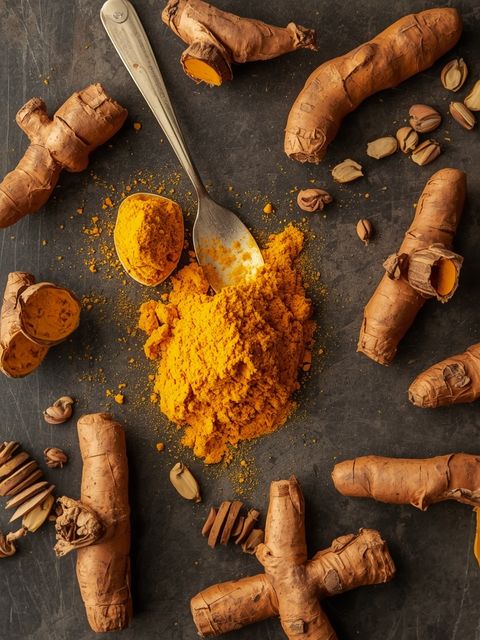
What are the benefits of turmeric?
Turmeric contains curcumin, a substance with powerful anti-inflammatory and antioxidant properties.
What is quinoa?
Quinoa is a gluten-free seed that acts as a whole grain and is a complete protein, containing all nine essential amino acids.
Is greek yogurt better than regular yogurt?
Greek yogurt is strained to remove whey, making it thicker and significantly higher in protein and lower in sugar than regular yogurt.
Is brown rice healthier than white rice?
Brown rice is a whole grain that contains the bran and germ, providing more fiber and several vitamins and minerals than white rice.
Are eggs good for you?
Eggs are a very good source of inexpensive, high-quality protein. They are rich in vitamins and minerals.