
1 / 1
1 zdjęcie
412
Entspannungstechniken, die helfen, einen Zustand von Gelassenheit und Ausgeglichenheit zu erreichen
Psychische Gesundheit
Balance
Mental
Ruhe
Ruhig
Alicja Kowalska
Autor
2026-09-24
Datum
5 Min. Lesezeit
article.read_time
2
Kapitel
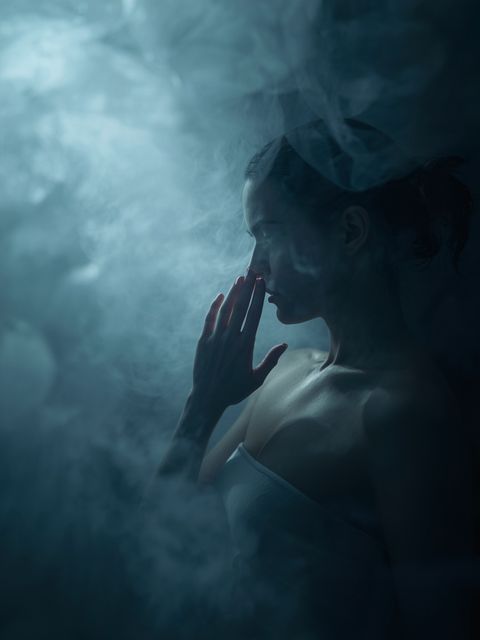
Es ist wichtig, hervorzuheben, dass Ruhe und Entspannung für die Aufrechterhaltung der psychischen Gesundheit und geistigen Fitness unerlässlich sind. Viele Menschen bemühen sich, ihr Wohlbefinden, aber auch ihren körperlichen Zustand zu verbessern. Leider verwechseln einige Menschen Entspannung mit einem Abend vor dem Fernseher oder einem Besuch in einer Bar. Auf diese Weise definieren sie Entspannung. Während einer wertvollen Entspannung ist es entscheidend, eine Entspannungsreaktion auszulösen, um Stress vollständig zu beseitigen und für den nächsten Tag bereit zu sein.
Techniques for tension reduction and attainment of psychophysical equilibrium
The term *relaxation techniques* encompasses a broad spectrum of systematic practices designed to induce a state of profound physical and mental relaxation. These methods facilitate biological regeneration while enabling the management of autonomic anxiety symptoms—such as accelerated heart rate, excessive muscle tension, or respiratory disturbances. Though they do not constitute a standalone form of psychotherapy in the strictest sense, they serve as a valuable adjunct, particularly within cognitive-behavioral therapy frameworks. Their primary advantage lies in their capacity to modulate emotional states by discharging accumulated tension, whether arising from acute stressful episodes or chronic, cumulative strain over time. It is crucial to emphasize that genuine relaxation represents an active psychological process—one that demands focus, conscious regulation of physiological responses, and the ability to disengage from the inundation of thoughts and responsibilities. The selection of a specific technique should be tailored to an individual’s unique predispositions, preferences, and needs, as no single universal approach exists that guarantees uniform efficacy for all. The sole invariant factor determining success is the consistency of practice: daily sessions lasting between ten and twenty minutes yield measurable benefits that far outweigh the modest time investment required for their execution.
Relaxation techniques
The systematic application of this method of relaxation allows for a reduction in the tension of the muscles and the relaxation of the head where, for example, if we are silent and the body often reacts with anger, our heart works more efficiently. It also affects the expansion of the blood vessels, the reduction of the rate of metabolism of matter and the presence of waves in the electrical activity of the brain. Depending on how we respond to stress and relaxation, we need to do the right exercises. For example, when we react to anger and oxygenation by the body, we are able to relax ourselves in different situations. This effect is likely to have a very good effect on the activity in which we are exercising, thus reducing the amount of stress in the body.